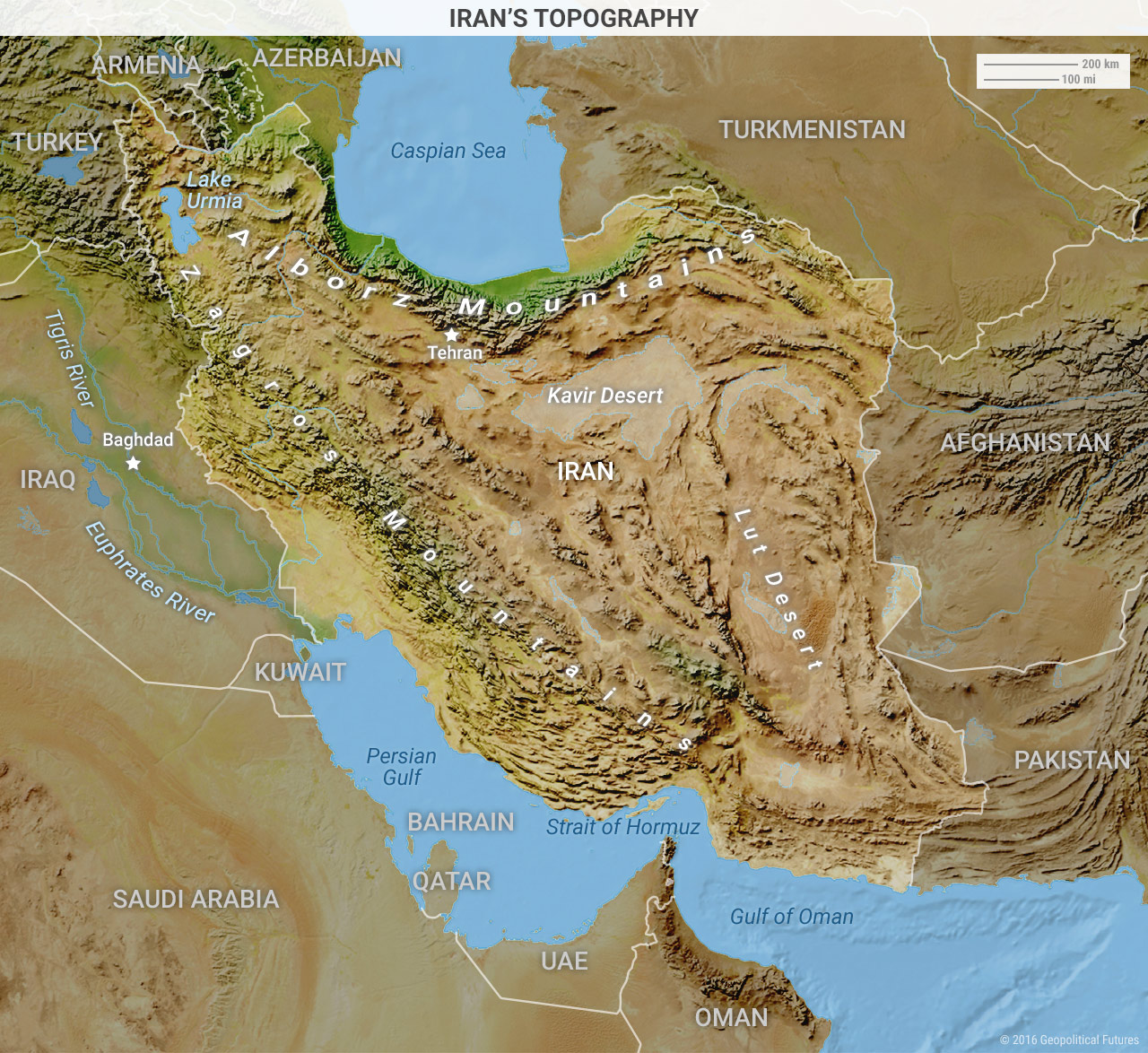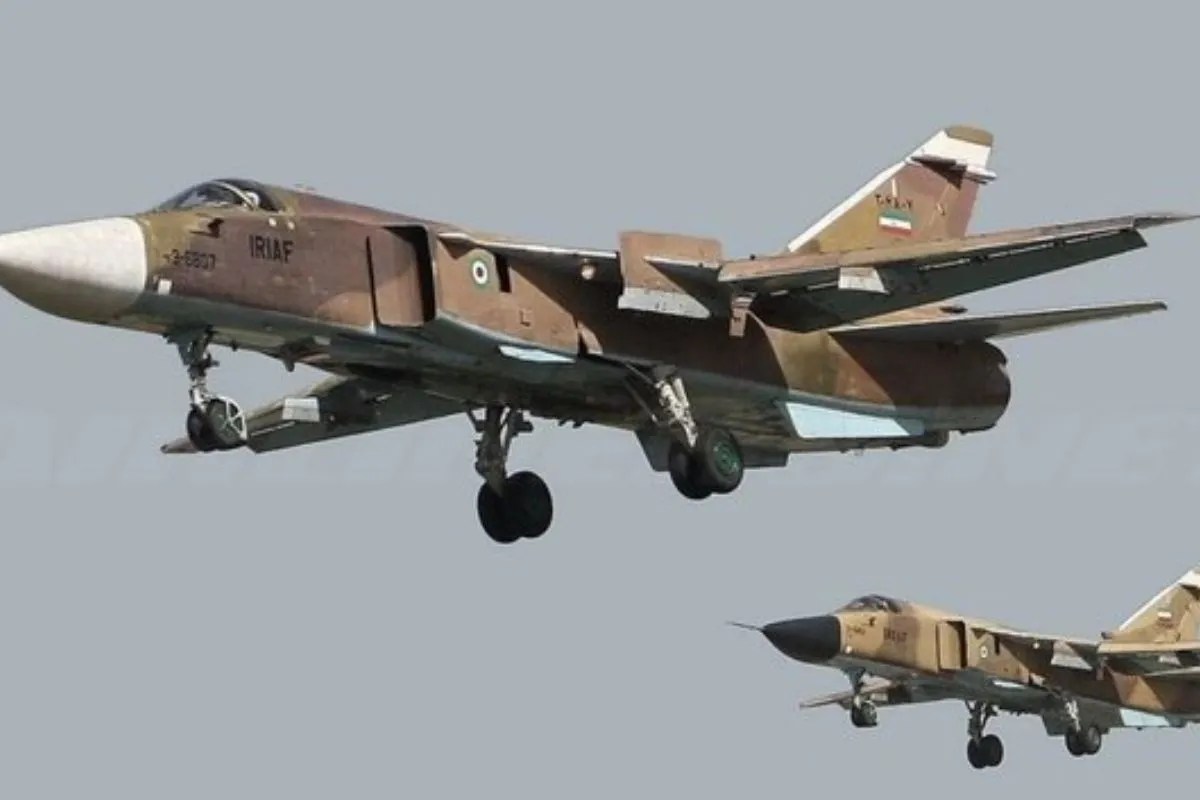
The Middle East is playing a dangerous game of "he said, she said" again. This time, it involves three Iranian military pilots, two downed Su-24 fighter jets, and a high-stakes diplomatic standoff between Doha and Tehran.
If you've been following the headlines, you’ve likely seen the accusation: Iran claims Qatar is holding three of its pilots captive after a failed March operation against the Al-Udeid Air Base. Qatar, meanwhile, is hitting back with a flat denial. In related developments, read about: Why Trump Plans To Turn A New Washington Arch Into An Armed Military Base.
Basically, the situation is a mess. It's confusing, it's tense, and frankly, it's exactly the kind of friction that could stall fragile regional peace efforts.
What Iran is actually claiming
Tehran isn't just whispering these rumors. General Mohammad Bagherzadeh, who commands the Search Committee for the Missing of the Iranian Armed Forces, went public with a specific demand. He named three pilots—Javad Salehi, Abdol-Majid Dashtian, and Emran Behrushian—and claimed they were captured alive by Qatari forces six months ago. The Washington Post has analyzed this critical subject in extensive detail.
According to Tehran, these men have been held incommunicado ever since, cut off from their families and the outside world. They've even dragged the International Committee of the Red Cross (ICRC) into the mix, urging them to intervene and gain access to the alleged detainees.
It’s a bold accusation. If true, it would mean a major regional mediator is secretly holding prisoners of war, a massive violation of international law. But there’s a massive gap between the claim and the reality on the ground.
The Qatari response
Doha isn't playing along. Majed Mohammed Al-Ansari, the spokesperson for Qatar’s Ministry of Foreign Affairs, issued a blunt, categorical denial. He called the allegations "misleading" and expressed surprise that these stories are surfacing now, just when the region is trying to navigate a delicate path toward de-escalation.
Here is the version of events Qatar is standing by:
- On March 2, two Iranian Su-24 bombers entered Qatari airspace during an attack mission on the Al-Udeid base.
- Qatari authorities tried to establish contact, but the pilots didn't respond.
- Acting under established rules of engagement, Qatar took measures to defend its territory.
- Search and rescue teams were deployed, and they eventually found the remains of one pilot, which were handed over to Iran.
Qatar even points out that back in April, they formally invited an Iranian team to visit Doha and review the details of the search-and-rescue operation. Tehran, they claim, never bothered to show up or respond.
Why this matters right now
You might wonder why this is blowing up six months after the incident. The answer is simple: timing.
Qatar is arguably the most important neutral bridge in the current conflict. They host the largest US military installation in the region, yet they’ve been essential in mediating between Washington and Tehran. Every time they get dragged into a public dispute like this, their credibility as a "neutral" mediator takes a hit.
Some analysts suspect this could be a calculated move. Is Iran trying to pressure Qatar over a different aspect of the ongoing peace negotiations? Or is it a genuine intelligence failure where the families of the missing airmen are being fed misinformation?
Whatever the reason, the rhetoric is dangerous. When military officials on both sides start accusing one another of war crimes, it leaves very little room for the quiet diplomacy that actually keeps the region from sliding back into full-scale war.
What to watch for next
Don't expect a quick resolution. Diplomatic standoffs like this usually end in one of two ways: either the ICRC gets involved and verifies that the pilots are either not there or are being treated according to international law, or the whole thing eventually fizzles out as other, more pressing crises take center stage.
For now, the focus should stay on the facts we can verify. Qatar has a track record of maintaining high-level military cooperation with global partners, and their consistent denial is supported by their willingness to open their books to an investigation—something they did months ago.
If you are following this story, keep an eye on whether the Red Cross makes an official statement. Until then, take the "secret prison" narrative with a grain of salt. High-stakes military maneuvering often involves a lot of noise that doesn't necessarily match the reality on the ground.
The best advice? Ignore the sensationalist headlines and focus on the diplomatic channels. If there were three living pilots, there would be more than just public accusations from a news agency; there would be verified proof. Right now, that proof is nowhere to be found.