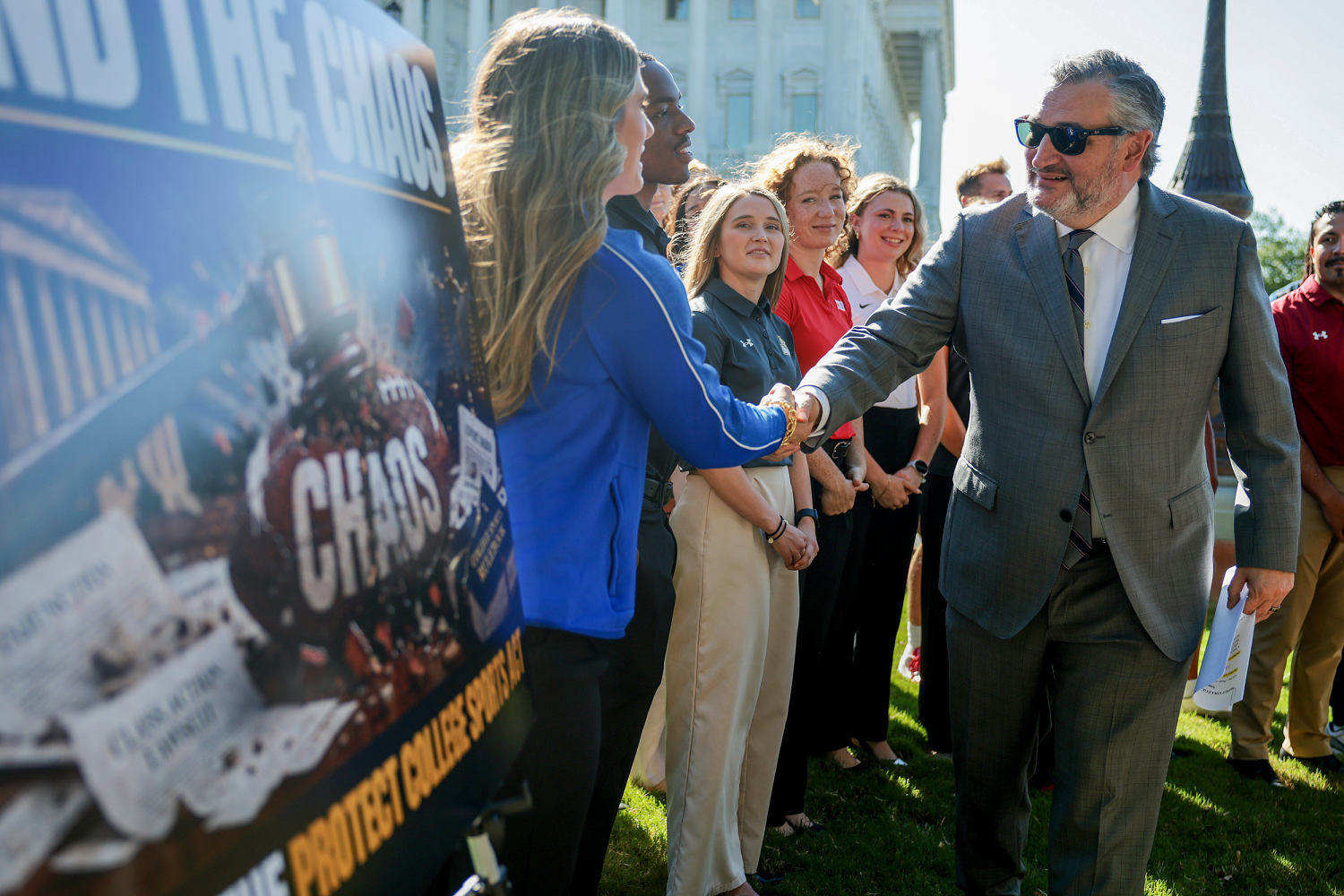
College athletics is a multi-billion-dollar enterprise that has spent the last few years operating like the Wild West. Without a unified federal rulebook, name, image, and likeness collectives, endless transfer portal bidding wars, and a mountain of lawsuits have left athletic departments scrambling to survive. The Senate just signaled they're tired of watching the chaos unfold. Lawmakers voted 74-24 to advance the Protect College Sports Act, clearing a massive procedural hurdle and proving that bipartisan support for structural reform is finally real.
If you think this is just another empty piece of political theater, look closer. The legislation aims to codify nationwide rules for revenue sharing, cap player compensation limits based on recent legal settlements, and restrict the chaotic cycle of year-round transferring. Major college football and basketball coaches are lining up in favor, while fierce critics argue the bill institutionalizes unfair restrictions on young athletes.
The Breaking Point Behind the Senate Vote
The current panic in college sports isn't accidental. Ever since the Supreme Court slammed the NCAA in previous antitrust rulings, athletes gained the right to earn money through NIL deals. Programs immediately plunged into a bidding war. Wealthy boosters built underground pipelines to lure elite high school talent and poach star players from mid-major programs.
Athletic departments saw budgets balloon out of control. Institutional and government subsidies for athletic programs across Power Four conferences surged by hundreds of millions of dollars over the last decade. Schools are bleeding cash to keep pace with facility upgrades and coaching salaries, leaving non-revenue Olympic sports fighting for survival.
Lawmakers like Republican Senator Ted Cruz and Democratic Senator Maria Cantwell stepped in to draft the Protect College Sports Act. They argue that federal legislation is the only way to establish stability. Without congressional intervention, antitrust lawsuits will continue to dismantle the traditional framework of collegiate competition brick by brick.
What the Protect College Sports Act Actually Does
Let's cut through the bureaucratic noise and look at the actual mechanisms inside the bill.
- Codifies a revenue-sharing cap of roughly 22 percent, aligning directly with recent landmark antitrust settlement terms.
- Establishes multi-million dollar retention pools to help schools manage player contracts internally instead of relying entirely on wild third-party collectives.
- Limits undergraduate student-athletes to one unrestricted transfer, curbing the relentless annual portal movement.
- Mandates long-term health and educational security standards for athletes across all participating universities.
Supporters point to high-profile names backing the legislation. Legendary coaches like Nick Saban, Deion Sanders, and John Calipari have publicly championed the framework. They argue that without these guardrails, competitive balance will completely evaporate. Only a handful of super-funded athletic programs will be able to afford top-tier rosters year after year.
The Counter-Argument and Heavy Opposition
Not everyone is popping champagne. A vocal faction of lawmakers and civil rights groups fiercely oppose the measure. Democratic Senator Chris Murphy of Connecticut didn't mince words during recent debates, labeling the bill an attempt to protect a system of corporate exploitation. Critics argue that capping athlete compensation while coaches and executives rake in astronomical salaries amounts to institutional collusion.
Notably, opposition ran deep among several progressive and minority lawmakers who worry the bill strips athletes of their true economic leverage. The NAACP and several prominent athlete advocacy groups have raised red flags. They argue that federal intervention shields the NCAA from facing the legal consequences of historic antitrust violations rather than fixing the root of the problem.
Furthermore, the path forward remains narrow. Clearing a 74-24 procedural threshold proves the Senate can build a broad coalition, but navigating the House of Representatives is notoriously difficult. With midterm political shifts and competing legislative priorities looming, proponents are racing against a ticking clock.
What Happens Next for College Athletics
The recent Senate vote is a massive milestone, but it's not the finish line. The bill still needs a final floor vote and a companion victory in the House before reaching the President's desk. Athletic directors are holding their breath, while sports attorneys prepare for the next wave of litigation if the federal government steps in to override state-level NIL laws.
If you follow college sports, expect the legislative battle to intensify over the coming weeks. The era of unregulated amateurism is officially dead. Whether the new normal looks like a tightly managed professional minor league or a fractured legal battlefield depends entirely on how Congress handles the final stages of this bill.
Keep a close eye on conference alignment decisions and university spending reports as athletic departments prepare for caps to take effect. Track how your favorite program builds its retention pools and manages scholarship distributions under the proposed federal guidelines.
Senate votes to advance Protect College Sports Act | Pro Football Talk
This video provides an inside look at the congressional vote and breaks down the immediate reactions from sports analysts.