Foreign policy rarely gets personal. Yet, every so often, you watch a state visit that feels less like a sterile diplomatic exchange and more like a cultural homecoming. When Prime Minister Narendra Modi touched down in Tashkent for his fourth official visit to Uzbekistan, the reception he received wasn't just about red carpets and standard protocol. It was a loud statement about how India's regional influence is shifting.
If you look past the standard political headlines, a much larger story unfolds about trade routes, historical ties, and modern geopolitics. Let's break down what actually happened during this visit and why it matters right now.
The Tashkent Airport Welcome
President Shavkat Mirziyoyev did something unusual. Instead of sending a lower-ranking cabinet official or waiting at the presidential palace, he personally greeted Modi at the Tashkent airport. That gesture sets the tone immediately.
Why does Tashkent care so much about New Delhi? Simple. Central Asia wants strategic autonomy. Landlocked between major powers, Uzbekistan needs reliable, powerful partners who don't bring heavy-handed imperial baggage. India fits that description nicely.
Modi didn't waste any time after landing. He headed straight to the Yangi Uzbekistan Park to lay a wreath at the Independence Monument alongside Mirziyoyev. That monument marks the country's thirty-year milestone of sovereignty. Showing up there on day one sends a clear signal of mutual respect for national independence.
Cultural Diplomacy In Action
Diplomacy usually sounds boring. Think long treaties, closed-door committee meetings, and ambiguous joint statements. But in Tashkent, the cultural reception told a different story.
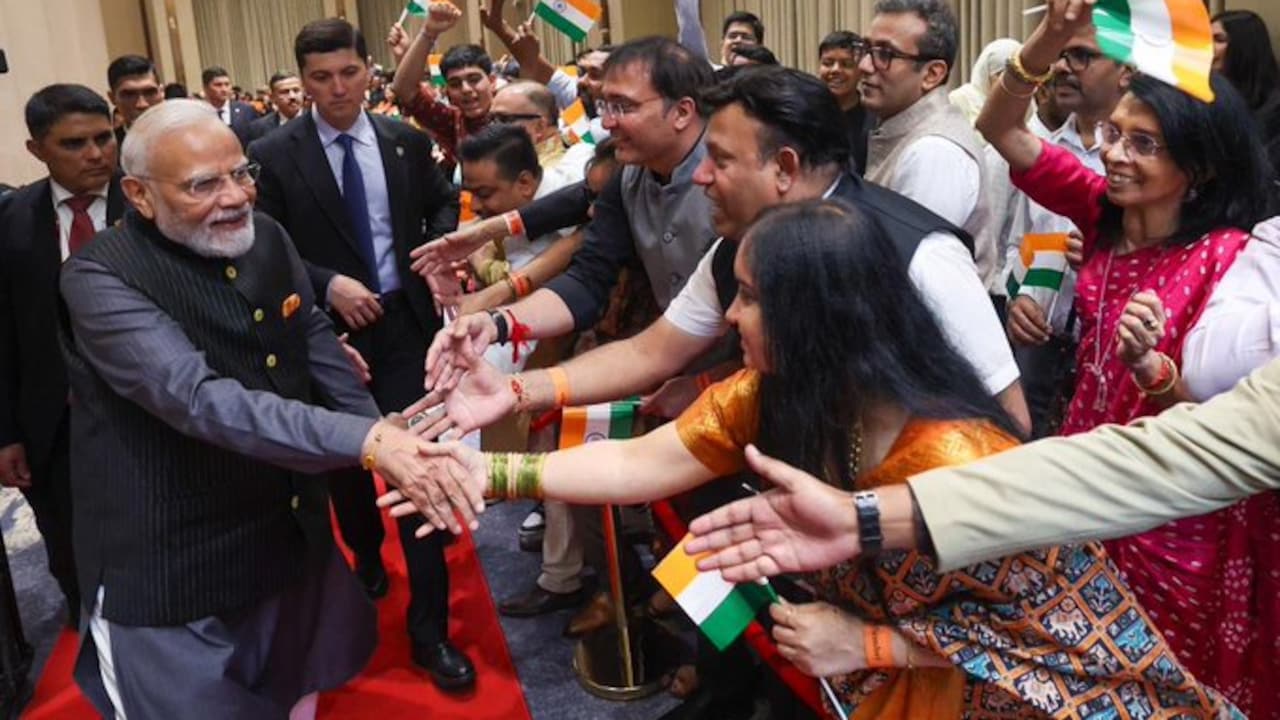
The Indian community showed up in full force at the designated hotel. Performances ranged from traditional Kathak to the local Andijan Polka. Local Uzbek children even danced to the classic Bollywood track Ude Jab Jab Zulfe Teri. Then came a musical fusion blending the Indian tabla with traditional Central Asian instruments like the doira and the chang.
Critics often dismiss these cultural events as mere photo ops. They miss the point. Cultural resonance creates public goodwill. When everyday citizens in Tashkent grow up watching Indian films or listening to familiar rhythms, political leaders have a much easier time pushing through major trade agreements and defense pacts.
The Strategic Reality Behind Central Asian Outreach
Modi's current trip isn't just a quick stopover. It is the first leg of a multi-nation Central Asian tour that also includes the Kyrgyz Republic. India wants deeper integration with the region for several pragmatic reasons.
Energy security is a massive factor. Central Asia sits on vast natural resource reserves. At the same time, regional connectivity remains a constant puzzle. Without direct land access through immediate neighbors, India relies heavily on alternative transit corridors, such as the International North-South Transport Corridor (INSTC) and strategic ports like Chabahar in Iran, to bridge the distance to Tashkent.
Counter-terrorism cooperation also anchors these bilateral meetings. Both nations face shared security concerns emanating from the volatile broader neighborhood. Intelligence sharing and joint defense exercises keep growing quietly behind closed doors.
What Most Observers Miss About India And Uzbekistan
Most mainstream media reports treat these visits as isolated events. They count the number of handshakes, list the cultural performances, and move on.
That approach ignores the deep civilisational roots connecting the Fergana Valley to the Indian subcontinent. Babur, the founder of the Mughal Empire, started his journey in Andijan, Uzbekistan, before carving out a dynasty in Delhi. Modern historical ties run through centuries of trade along the ancient Silk Road.
When Modi talks about the diaspora acting as a living bridge between the two countries, it isn't just political rhetoric. Indian students fill medical colleges across Tashkent and Samarkand. Pharmaceutical trade keeps growing, with Indian medicine widely available across Uzbek pharmacies.
Practical Takeaways From The Visit
If you track international business or geopolitical shifts, pay attention to the follow-up announcements coming out of the delegation-level talks.
- Watch for updates on joint manufacturing ventures in pharmaceuticals and agriculture technology.
- Monitor the progress of simplified visa regimes and direct flight connectivity to boost tourism and business travel.
- Keep an eye on logistical frameworks utilizing multimodal transit corridors through Iran to bypass traditional land bottlenecks.
India's footprint in Central Asia is expanding. Tashkent is proving to be the anchor of that strategy.