For decades, the hierarchy at Porsche was set in stone. The 911 sat firmly at the peak of the brand's identity, untouchable and supreme, while ultra-exclusive hypercars like the Carrera GT and the 918 Spyder dropped in limited runs before disappearing into collector garages.
Now, Porsche is breaking its own golden rule.
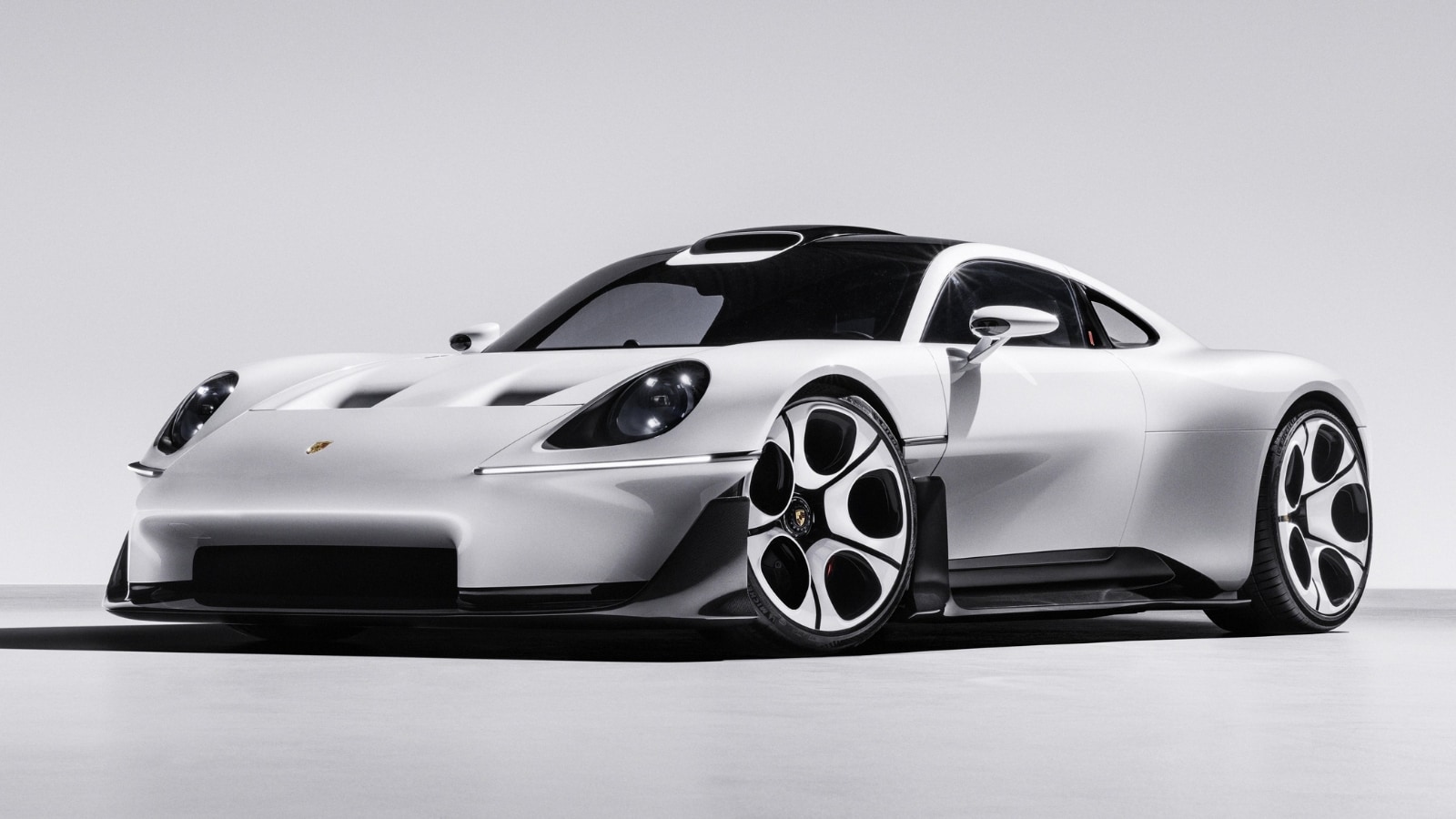
Unveiled on a pier in Queens, New York—the exact spot where the 550 Spyder first met the American public in 1953—the Porsche Mission S concept signals a massive shift. This isn't another fleeting hypercar. It's a permanent, mid-engined platform designed to sit comfortably above the 911 in the global lineup.
If you've been wondering how Porsche plans to navigate a shifting automotive market while protecting its legendary driving DNA, the answer just arrived.
The Strategy Behind the Machine
Let's talk business for a second, because the timing of the Mission S isn't accidental. Porsche has faced margin pressures, shifting EV demands, and volatile sales numbers in regions like China. Under its "Sportwagenschmiede '35" financial plan, the automaker is pivoting hard toward a philosophy of value over volume.
Instead of chasing massive unit sales, Porsche wants to sell fewer cars at much higher price points. The goal is a leaner operation with a break-even point under 200,000 vehicles a year.
Entering a permanent model tier above the 911 makes total sense here. Analysts expect the production version of the Mission S—slated tentatively for around 2029—to command price tags starting near $500,000. That puts it squarely in the crosshairs of ultra-luxury competitors like Ferrari and Lamborghini, boosting Porsche's average per-vehicle profitability without diluting the core 911 portfolio.
Design Roots That Honor the Past
Car designers love to throw around buzzwords about futuristic shapes, but the Mission S leans heavily into retro reverence. You see immediate nods to Porsche history stamped into every panel.
The low front end, torpedo fenders, and rounded headlights clearly echo the iconic 911 GT1 road-going race car. Walk around to the rear, and the roofline rushing toward an active wing borrows heavily from the legendary 959. Even the engine cooling fan setup pays homage to the legendary 917 sports prototype.
It's a masterclass in visual storytelling. The car looks aggressive, low-slung, and unmistakably Porsche, blending muscular upper volumes with technical, lightweight aerodynamic elements below.
Pushing Back Against Screen Saturation
If you hate modern car interiors stuffed with massive, fingerprint-covered tablets, you're going to love what Porsche did inside the Mission S.
The cabin throws out the standard digital dashboard clutter in favor of a raw, driver-centric cockpit. There is no central screen whatsoever. Instead, Porsche opted for a retractable magnetic smartphone holder if you actually need navigation, keeping the focus entirely on driving inputs.
You won't find a push-button starter here either. Porsche opted for a physical key—a tactile nod to analog motoring purity. Facing an 8,000 RPM tachometer nestled in a deep-set instrument cluster, the entire interior screams driver engagement over tech gimmickry.
Combustion and Hybrid Realities
The biggest sigh of relief from enthusiasts? Porsche confirmed there is no immediate demand for a fully electric flagship in this tier.
While the concept leaves exact powertrain specs close to the chest, industry reports point toward a combustion or hybrid setup—potentially housing a brand-new flat-eight engine behind the driver's seat. Porsche knows its buyers at this price point want mechanical soul, acoustic drama, and the raw vibration of an internal combustion engine roaring behind their heads.
By committing to a permanent production line rather than a limited run of 900 units, Porsche is ensuring that buyers can actually walk into a dealership and order one, provided their bank accounts are heavy enough.
The Mission S proves that Porsche isn't content resting on the laurels of the 911. By carving out a permanent, ultra-exclusive tier above its halo sports car, the German marque is safeguarding its financial future while giving purists exactly what they've been begging for: unadulterated, analog-focused internal combustion performance.