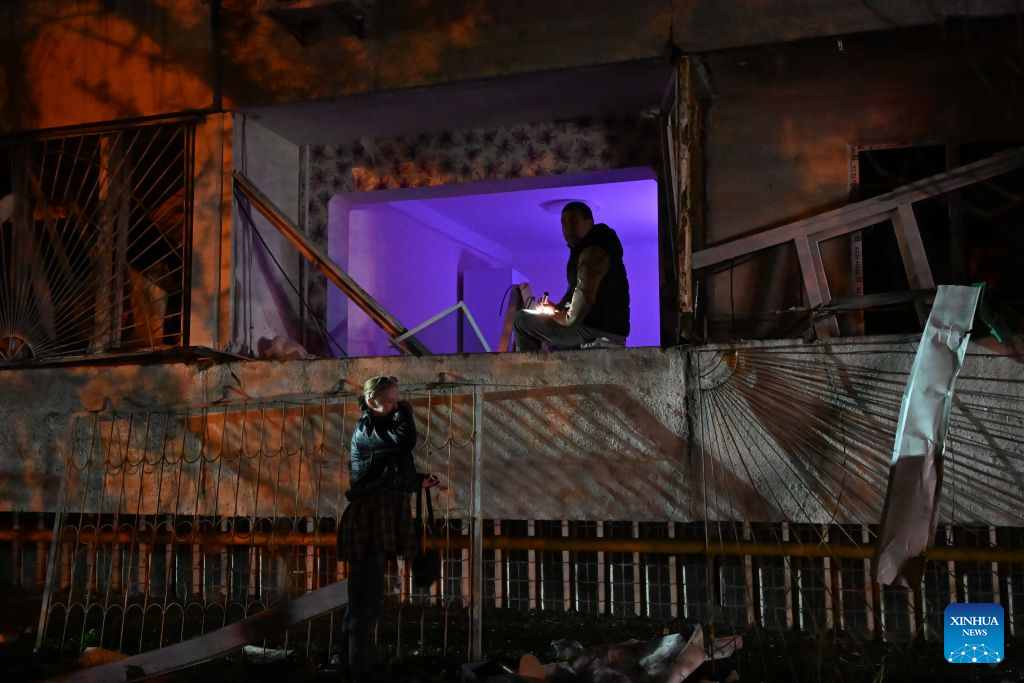
Satellites in orbit get all the headlines, but the ground stations keeping them connected are suddenly turning into high-risk targets. Another mysterious fire has just gutted a critical Starlink data relay site near Sofia, Bulgaria, destroying a major chunk of local antenna infrastructure. This isn't an isolated accident. It follows a nearly identical sabotage incident at a SpaceX relay station in Poland just weeks ago.
When vital satellite communications infrastructure starts burning down across Eastern Europe, governments start pointing fingers. But the real story goes far beyond regional political friction. It exposes the fragile physical reality behind global satellite networks that modern military operations and commercial users rely on every single day.
The Ground Station Vulnerability Nobody Wants to Talk About
People think of satellite internet as invisible and untouchable magic beam technology. You slap a dish on a roof, plug it in, and you're online. But space-based networks have an Achilles heel. They live and die on the ground.
Every packet of data traveling through SpaceX's constellation has to bounce back down to Earth through terrestrial gateway stations. These ground facilities use clusters of antennas, high-powered transmitters, and commercial power grids. They sit in open fields or unfortified commercial plots, often protected by little more than a chain-link fence and security cameras.
In Bulgaria, opposition lawmakers published footage showing masked intruders setting fire to 11 out of 17 antennas at a site outside Sofia. Bulgarian Prime Minister Roumen Radev confirmed the blaze to parliament but urged caution before pinning blame on any specific state actor. Meanwhile, politicians are clashing over whether to openly accuse foreign intelligence services, echoing the rhetoric used after a similar station burned down in Wola Krobowska outside Warsaw last month.
The Geopolitical Crossfire
You can't separate these physical attacks from the broader electronic and diplomatic war playing out over Ukraine. Starlink has served as the absolute nervous system for Ukrainian field communications, artillery coordination, and drone navigation. When physical ground stations take hits, or when terminals mysteriously lock up during high-speed drone runs, the stakes escalate instantly.
Moscow has repeatedly denied involvement in European sabotage operations, calling accusations a convenient smoke screen for Western politicians to justify bloated defense budgets. At the same time, friction between Washington and Kiev is spilling over into operational controls. Elon Musk recently pushed back against accusations that he personally throttled service, noting that restrictions on military telemetry come down from the US military and presidential oversight.
When political pressure mounts around oil refinery strikes and energy pricing, the physical hardware on the ground becomes an easy target for asymmetric warfare. Sabotaging a field full of satellite dishes requires two masked men with incendiary devices, not an intercontinental ballistic missile. That low barrier to entry makes ground stations a terrifyingly soft target.
What Protecting Satellite Networks Actually Takes
Private space companies built their ground networks for speed, cost efficiency, and rapid global deployment. They didn't build them to withstand commando raids or state-backed sabotage campaigns.
Securing dozens of remote relay stations across multiple countries changes the economic math of satellite internet entirely. You are looking at hardened perimeters, round-the-clock armed guards, military-grade surveillance, and redundant backup arrays. Prime Minister Radev noted that these are private commercial sites, meaning local telecom owners carry the primary burden for security. But when critical defense logistics rely on those exact nodes, private security guards won't cut it.
Expect telecommunications firms and space operators to completely rethink how they deploy gateway hardware. Expect more underground routing, military-grade hardening, and geographic dispersion.
If you rely on global satellite connectivity for business operations, logistics, or remote field work, realize that terrestrial choke points are real. Keep backup cellular or fiber connections active. The myth of an untouchable, cloud-based network just went up in smoke.