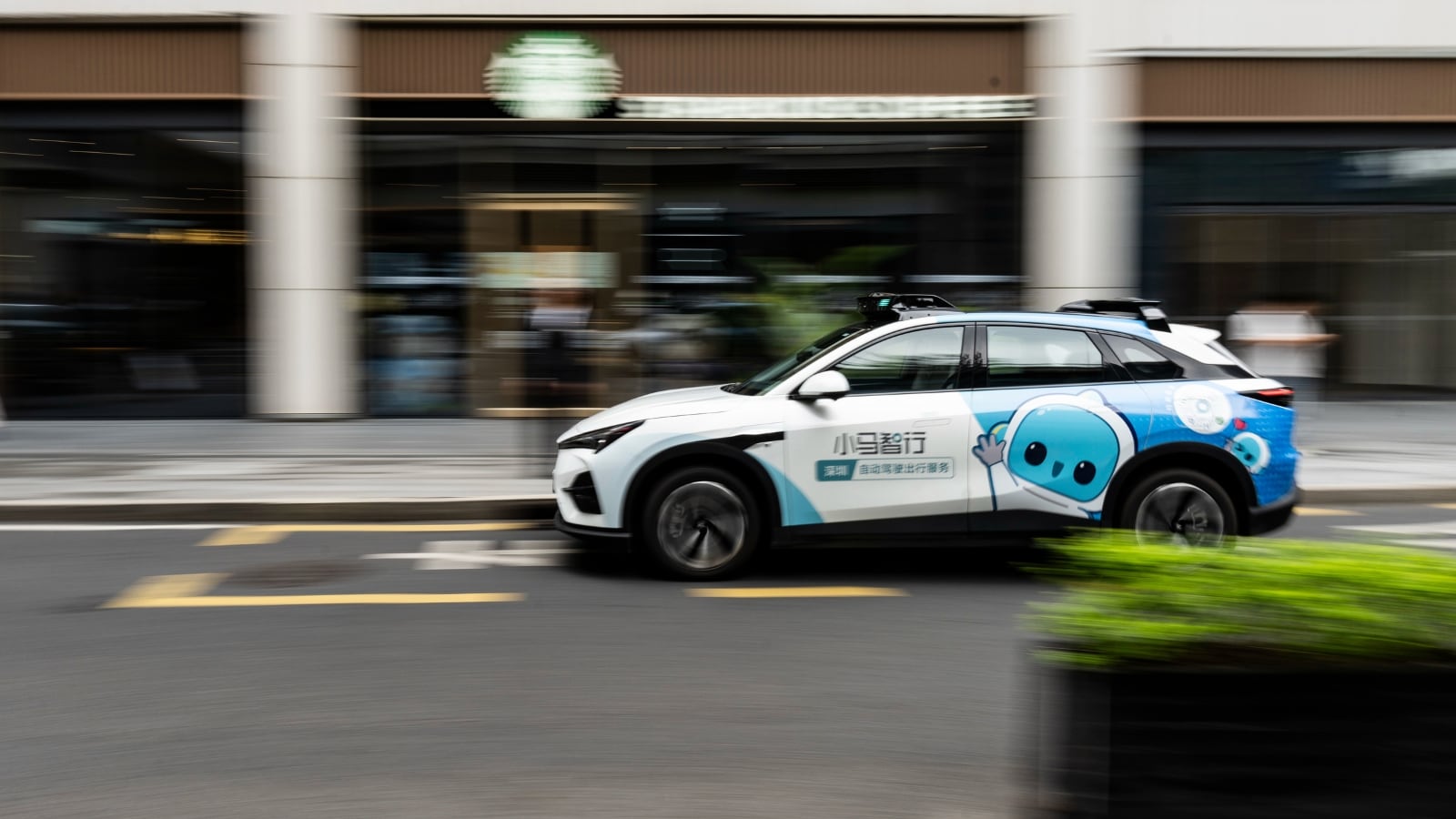
Autonomous vehicles are finally moving past endless testing phases and heading straight for city streets. Pony AI and Uber just announced an aggressive expansion of their partnership, planning to deploy more than 2,000 Level 4 robotaxis across five European cities. This isn't a quiet pilot project tucked away in a suburban tech park. It's a massive commercial push that signals how foreign autonomous driving technology will break into Western markets.
If you've been following the messy history of self-driving cars, you know the biggest hurdle has never been writing the software. It's the crushing cost of vehicle ownership, regulatory compliance, and local deployment. Pony AI and Uber think they've cracked the code by splitting the burden. If you enjoyed this piece, you might want to check out: this related article.
How the Partnership Actually Works
Instead of trying to build and manage an entire transport network from scratch, the companies are dividing up the labor.
Pony AI brings its battle-tested Level 4 autonomous driving technology and operational know-how. They've already spent years running paid, fully driverless robotaxis across China's major tier-one cities, hitting breakeven unit economics in multiple markets. For another perspective on this development, check out the latest update from MIT Technology Review.
Uber provides the consumer-facing machinery. That means customer acquisition, trip booking, payment processing, and customer service.
Then there's a third crucial piece: local fleet operators. In Zagreb, Croatia, where the partnership first took root alongside local mobility firm Verne, local partners handle day-to-day fleet management and vehicle ownership. By spreading out capital requirements and regulatory paperwork, Pony AI avoids the financial bleeding that trapped earlier autonomous vehicle ventures.
The European Strategy and Real-World Competition
The rollout kicks off by building on their existing groundwork in Zagreb, with four additional European cities lined up for future phases. The companies also have plans penciled in for the Middle East.
Europe isn't an easy market to crack. Cities have dense, historic streets, strict data privacy laws, and hyper-cautious regulators. Yet, the race is heating up fast. Waymo has been planting roots in France, the Netherlands, Spain, and Germany. Meanwhile, Uber is also collaborating with WeRide on a pilot in Madrid, and Lyft is eyeing European expansion.
The difference with Pony AI's approach is speed and asset-light scaling. Uber doesn't want to own expensive fleets of cars anymore. They want to be the universal software layer connecting riders to whatever autonomous hardware is available.
What This Means for Urban Mobility
Most people assume driverless cars will arrive everywhere at once. They won't. They're landing piecemeal through strategic partnerships between global tech platforms and local municipal players.
If you live in one of the target European cities slated for the 2,000-vehicle rollout, don't expect to see empty cabs blanketing every neighborhood overnight. The deployment will happen in phases, constrained by local permits and infrastructure mapping.
The real takeaway here is simple. The era of Chinese autonomous driving technology scaling internationally via Western ride-hailing apps is officially underway. Keep an eye on how local authorities react to foreign software navigating tight European lanes. That friction point will decide whether these 2,000 robotaxis become standard transit or get bogged down in red tape.