The war next door doesn't knock before it enters. When Russian missiles start slamming into targets just miles from NATO’s eastern border, capitals like Warsaw stop holding their breath and start scrambling jets. That's the messy reality of European security right now, where a single stray vector or a miscalculated drone flight can turn a regional conflict into an international crisis.
Poland isn't waiting to see if lightning strikes twice. The Polish military just triggered emergency air operations, pushed ground-based air defense systems onto high alert, and lit up radar grids across the entire eastern flank[cite: 1]. Let's look at why this matters and what most headlines miss about Europe's most nervous frontline state.
The Reality of Living Next to a Warzone
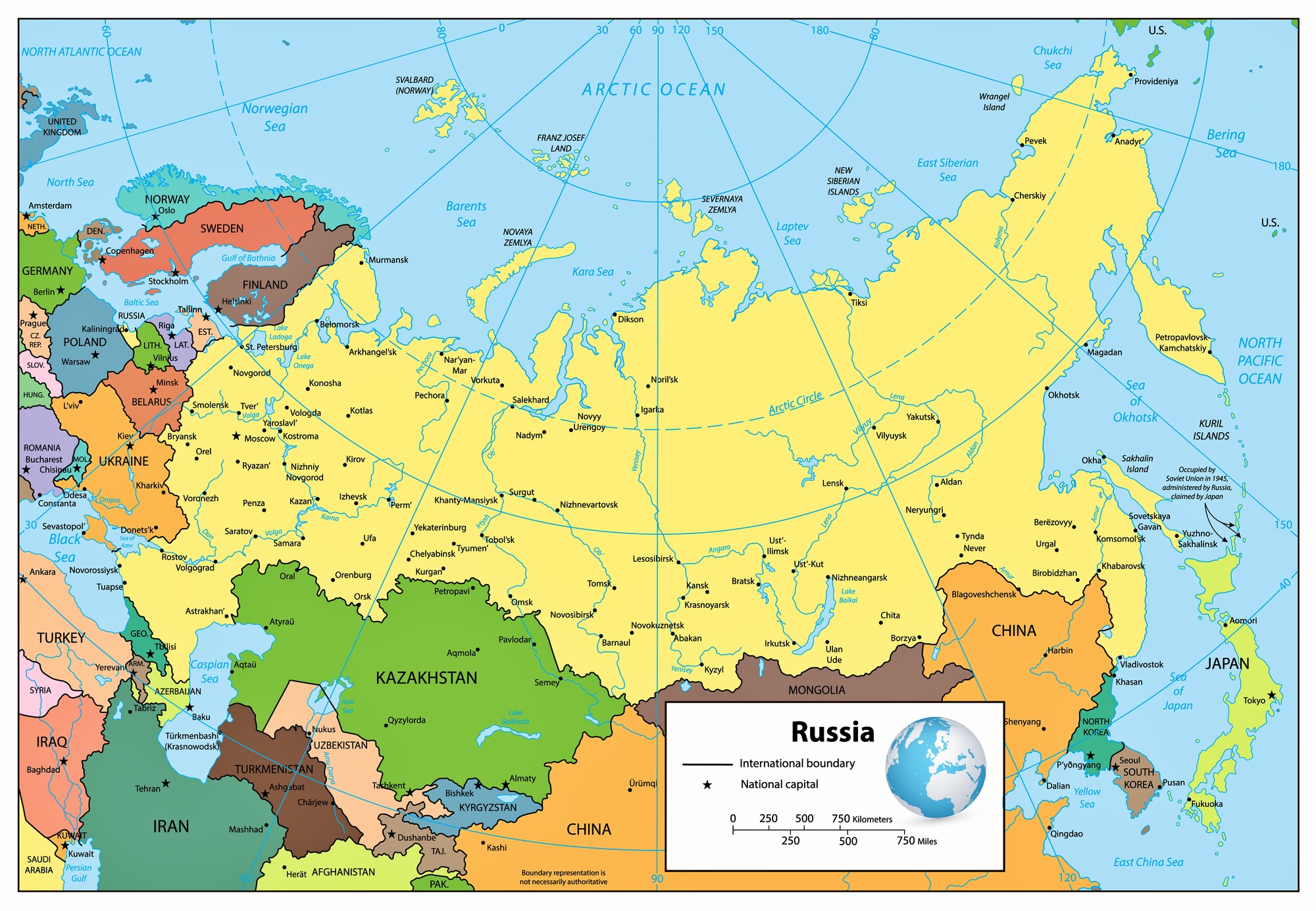
People forget that geography is an unyielding prison. Poland shares a long border with Ukraine[cite: 1], making it the primary logistical hub for Western weapons, humanitarian aid, and millions of refugees. It also makes them uncomfortably close to heavy aerial bombardment.
When Moscow unleashes massive missile and drone barrages against western Ukrainian infrastructure, the margins for error shrink to zero. Air defense systems operating at supersonic speeds don't care about diplomatic boundaries if a guidance system fails or a warhead drifts off course.
That's why Polish and allied fighter jets roar into the skies whenever the air raid sirens start wailing across western Ukraine. It's a defensive posture, sure, but it's also a high-stakes game of chicken with a nuclear-armed neighbor.
Inside Poland's Emergency Air Operations
The recent escalation wasn't born out of paranoia. It came straight from operational necessity. When the Polish Operational Command notices heavy Russian air activity targeting western Ukraine, military protocols kick in immediately.
- Fighter Jet Scrambles: Quick-reaction alert jets take off to patrol Polish airspace, establishing a visible and capable deterrent.
- Radar Tracking Networks: Ground stations sweep the horizon, tracking every missile trajectory to calculate impact points before they cross the border.
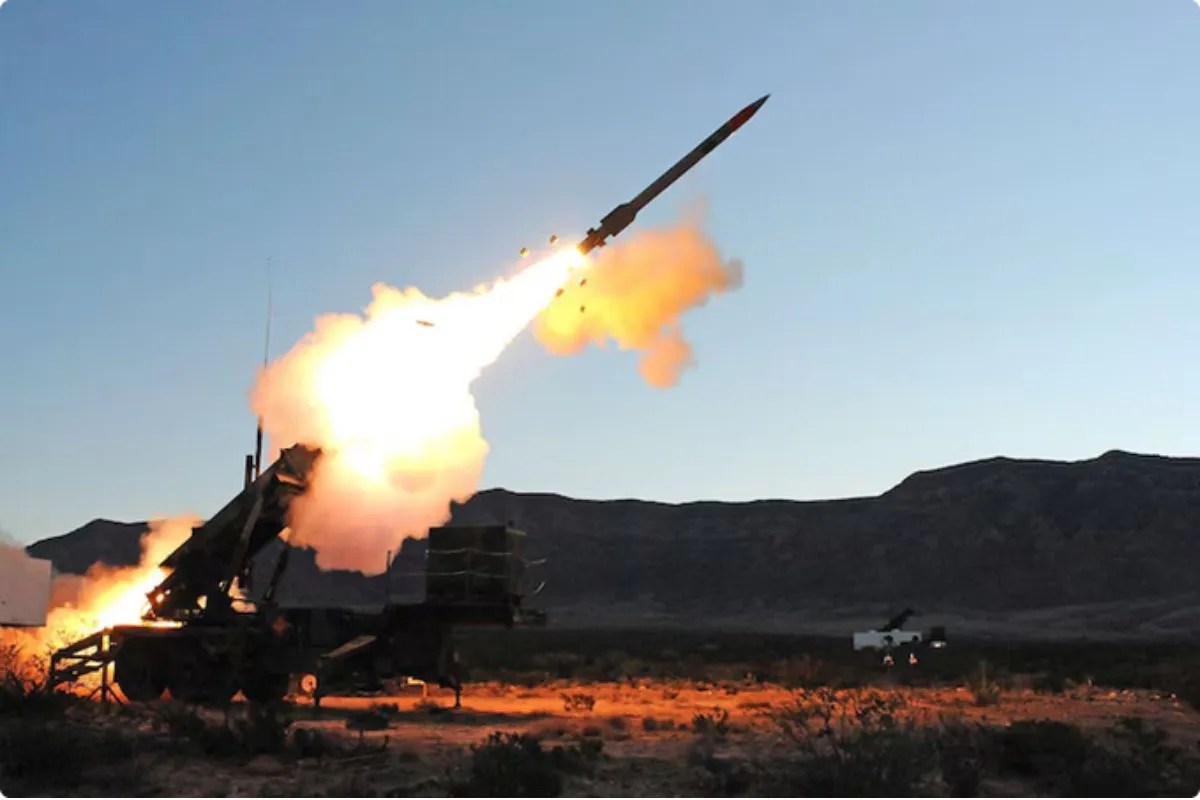
- Air Defense Readiness: Anti-aircraft batteries remain locked and loaded, manned by crews rotating through tense 24-hour shifts.
This isn't a drill. It's a constant, exhausting routine that Polish armed forces have had to master since the invasion began. Every single launch requires split-second calculations. Do you shoot down a stray missile over your own populated territory, risking falling debris, or do you wait to see if it turns back? There are no easy answers in a crisis room.
Why NATO's Eastern Flank Is Walking a Tightrope
The broader international community often treats these border incidents as routine blips. They aren't. Every time a Russian asset enters Polish airspace—even briefly—the entire NATO alliance inches closer to Article 5 activation.
Moscow knows the rules of engagement just as well as Warsaw does. Pushing probes right up to the edge of NATO territory is a psychological tactic designed to test response times and measure political resolve. By keeping air defenses permanently spiked and launching pre-emptive patrols, Poland is sending a clear message: the threshold for trespassing has dropped to absolute zero.
You can't afford hesitation when defending a sovereign border. If you blink, you invite a deeper incursion.
What Comes Next for European Defense
The situation on the ground remains volatile. As long as the conflict in Ukraine drags on, Poland will remain on a permanent war footing. Military spending in Warsaw has skyrocketed for a reason; they are preparing for a long-term standoff that won't end cleanly on a diplomatic signature.
The takeaway here is simple. Security in eastern Europe is an illusion built on constant, grinding vigilance. Poland's recent military activation is a reminder that the shockwaves of modern war can reach your doorstep in minutes. Keep your eyes on the eastern border, because that's where the future of continental security is actually being decided.