Postcard views of remote Indonesian islands lie to you. From a drone, places like the Anambas archipelago look like untouched paradise. Turqouise water wraps around white sand. Coral reefs stretch for miles. But step onto the beach and the illusion shatters.
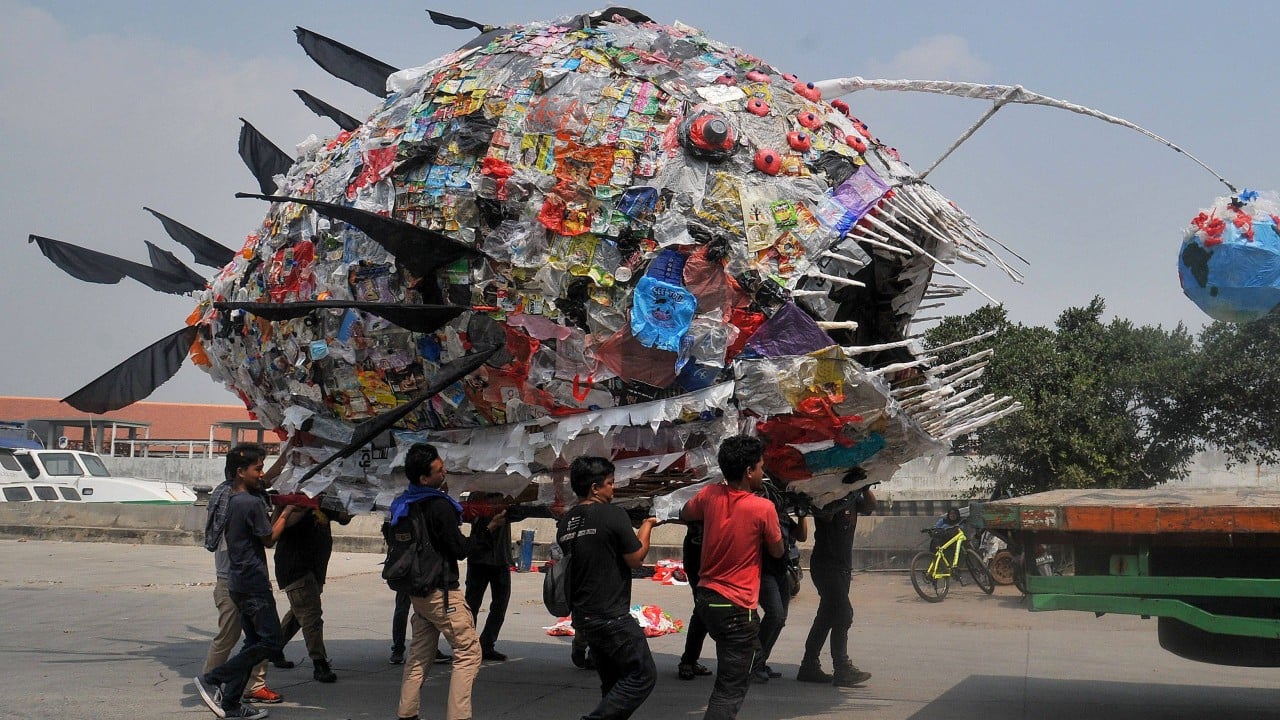
Plastic trash lines the high-tide mark. Water bottles, instant noodle wrappers, and shredded flip-flops jam the roots of mangrove trees. Worst of all, massive tangles of abandoned nylon fishing nets carpet the shallow reefs. These are ghost nets. They drift through the ocean, trapping fish, drowning sea turtles, and smashing coral long after the fishermen have forgotten them.
The crisis of plastic pollution on Indonesian islands isn't a problem of awareness. Everyone knows the trash is there. It's a failure of systems. The Indonesian government loves to pass sweeping environmental regulations and announce grand targets. Yet on the water, thousands of miles from Jakarta, those laws vanish. Local communities are left to drown in a sea of synthetic waste they didn't create.
The Policy Gap Between Jakarta and Remote Reefs
Indonesia laid out an ambitious roadmap years ago. The National Plastic Action Partnership set a goal to cut marine plastic leakage by 70% by 2025, aiming for near-zero pollution by 2040. In early 2026, the government even signed a high-profile agreement with international groups like The Ocean Cleanup to deploy trash-trapping interceptors in major rivers.
These deals look great on paper. They make for excellent press releases in the capital. But go to a remote outpost like the Anambas Islands and you quickly realize that mainland policies don't cross the sea.
Data from recent environmental assessments paints a terrifying picture. In the Anambas region alone, communities generate nearly 4,900 tonnes of waste annually. Guess how much of that actually gets collected and processed correctly? Less than nine percent.
The remaining 91% doesn't just disappear. Local families have two real options. They can pile the plastic in open, unlined backyard dumps, or they can burn it. When the monsoons hit, the rain sweeps the contents of those open dumps straight into the ocean. The burning plastic releases toxic fumes directly into the island air, trading an ocean crisis for a respiratory one.
Why Local Waste Banks Are Failing Low Value Trash
Many people point to "waste banks" as the grassroots solution. These are community-run collection points where residents bring recyclable plastic in exchange for cash or credit. It sounds perfect in theory. In practice, the economics are broken.
Waste banks survive on profit margins. They only want high-value plastics. Think clear PET water bottles or thick HDPE detergent jugs. Buyers on the mainland will actually pay for those materials.
But marine plastic pollution isn't just water bottles. The vast majority of what washes up on Indonesian shores is low-value or zero-value trash. Multi-layer snack packaging, plastic straws, cigarette butts, and thin grocery bags have zero resale value.
Because nobody will buy this junk, the waste banks refuse to accept it. Collecting it would bankrupt them. So, the worst type of plastic—the thin, film-like material that breaks down into microplastics the fastest—gets completely ignored. It sits on the beaches, bakes in the sun, and enters the marine food chain.
Ghost Nets Are the Ocean's Invisible Slaughterhouses
While land-based trash gets most of the media attention, the threat under the surface is arguably more destructive. Commercial fishing vessels frequently discard old, damaged nets directly into the South China Sea and surrounding waters.
These nets are made of heavy-duty synthetic polymers designed to last for centuries. Once loose, they become autonomous killing machines.
When a ghost net snags on an island reef, it smothers the living coral. Corals need sunlight and clean, moving water to survive. A heavy plastic net cuts off the light and traps sediment, causing the coral polyps to suffocate and die. Within months, a vibrant reef turns into a gray graveyard of rubble.
Local dive groups and small non-profits bear the brunt of the cleanup work. Removing a single large net can take days of grueling, dangerous manual labor. Divers have to carefully cut the nylon away from fragile coral structures using knives, risking their own safety in unpredictable currents. A single patrol near neighboring marine sanctuaries recently hauled up over 500 kilograms of discarded fishing gear from a single reef. This is a drop in the bucket compared to what remains submerged.
Enforcement Flaws and the Port Problem
Why do fishermen keep dumping their nets? Because it's completely free, and nobody is watching.
Indonesia signed onto international maritime agreements like Annex V of the MARPOL treaty, which explicitly bans discharging plastics and fishing gear into the sea. But laws require enforcement. The Indonesian maritime authorities lack the ships, fuel, and personnel to police millions of square kilometers of ocean for littering.
Worse, most small regional ports don't have basic waste reception facilities. When a law-abiding fisherman returns to port with an old, ruined net, there is often nowhere to legally dispose of it. The port won't take it. The local municipality won't take it. Facing the prospect of storing a massive, foul-smelling pile of nylon on their boat, many captains take the easy way out. They drop it overboard on their next trip.
Until regional ports provide free, easy infrastructure to unload old commercial fishing gear, the ocean will continue to receive it.
Moving Beyond Press Releases
Fixing this requires shifting focus away from centralized, high-tech solutions in Jakarta and moving resources directly to the outer islands. We don't need more voluntary action plans. We need targeted funding for small-island infrastructure.
First, the government must subsidize the collection of low-value plastics. If a waste bank gets a financial incentive to accept noodle wrappers and plastic bags, the community will clean them up. Without a price on that trash, it stays in the waves.
Second, port infrastructure needs an immediate overhaul. Every maritime hub in the Indonesian archipelago must establish an automated, no-questions-asked deposit system for end-of-life fishing gear. Give the crews a reason to bring the nets back to land. Some localized pilot projects have shown success by partnering with international companies to recycle old nets into high-end carpet tiles or yarn. This model needs scaling immediately.
Stop looking at beautiful drone footage of tropical islands and assuming everything is fine. The ecosystems keeping these communities alive are choking to death, and time is running out. Use your purchasing power to back brands that actively fund ghost net recovery, and demand accountability from regional seafood supply chains that look the other way.