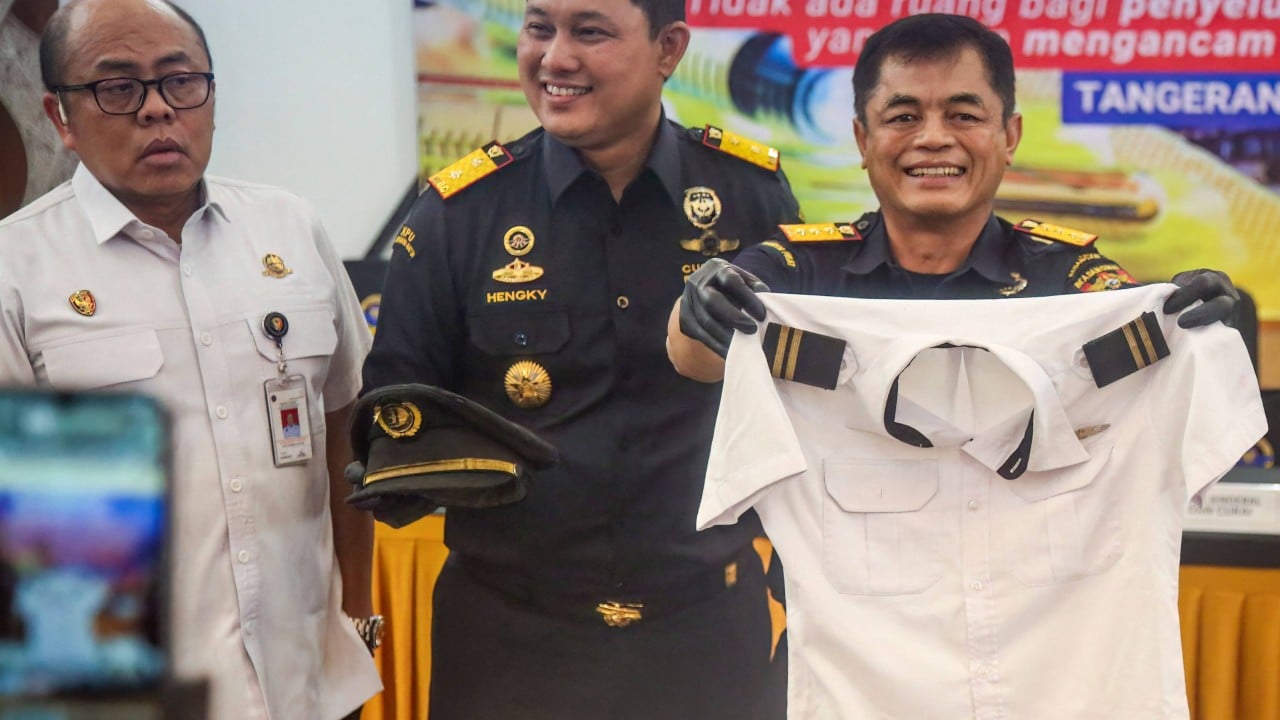
A 39-year-old commercial pilot walked straight through the multi-layered security checks at Kuala Lumpur International Airport carrying over 70,000 ecstasy pills and methamphetamine. He didn't break windows or sneak through a perimeter fence. He used the standard crew channel. Days later, Indonesian customs officials nabbed him at Jakarta's Soekarno-Hatta International Airport.
Now, Malaysian authorities are scrambling to figure out how 26 kilograms of illicit drugs slipped past checkpoint scanners.
The Anatomy of an Airport Security Blind Spot
We trust airport security because we assume machines catch everything. They don't.
When the pilot checked in for Malaysia Airlines flight MH727 on July 28, his luggage went through standard X-ray screening managed by Aviation Security (AVSEC). According to the Malaysian Border Control and Protection Agency (AKPS), the automated scanning systems and human operators flagged nothing unusual.
Why? Because modern security equipment relies heavily on risk profiling, density algorithms, and human operator judgment. If the initial scan doesn't trigger a high-risk classification, bags bypass secondary and tertiary inspections. Smugglers know this. They pack dense materials in ways that obscure signatures, or they exploit the routine familiarity given to flight crew lanes.
Investigators later found 14 bags of ecstasy and a stash of meth packed tightly inside his suitcase. He also carried a small bottle of urine intended to fake a drug test if needed. This wasn't a last-minute impulse. It was calculated.
The Blind Trust Given to Flight Crews
Pilots and cabin crew members get fast-tracked for a reason. Airlines operate on tight turnaround schedules. If flight crews had to empty their bags completely at every single domestic and international station, global aviation would grind to a halt.
That operational necessity creates a vulnerability. Security personnel often treat badge-holders with a different level of scrutiny compared to regular passengers.
AKPS director-general Commissioner Mohd Shuhaily Mohd Zain pointed out that the screening process combines artificial intelligence with human oversight. Yet, AI is only as good as its parameters and the operator watching the monitor. If an X-ray operator becomes complacent or assumes a pilot's bag is routine, a 26-kilogram haul can slip right through.
Indonesian customs didn't catch him because their scanners are magical. They caught him because of behavioral analysis and risk profiling at the arrival gate. Officers noticed indicators that prompted a physical search, proving that human intuition on the receiving end often catches what transit scanners miss.
What Happens Next for Airport Protocols
Malaysian police have already identified a person of interest involved in the airport screening process at KLIA. Bukit Aman Narcotics Crime Investigation Department director Hussein Omar Khan confirmed that airport staff members linked to the security lanes are under active investigation.
An inside job changes the entire equation. If a staff member deliberately ignored a flagged screen or helped bypass protocol, the issue moves from machine error to deep corruption.
Transport Ministry officials, airport stakeholders, and border agencies held emergency coordination meetings to overhaul these oversight protocols. Expect tighter secondary checks for flight crews, regardless of their uniform or badge status.
Complacency is the single biggest enemy of border security. When trust replaces verification, syndicates find a way to exploit the gap.
Check out this resource for more details on the arrest: Indonesia arrests Malaysian pilot for drug smuggling. This short video provides a quick breakdown of the initial arrest details by customs authorities in Jakarta.
http://googleusercontent.com/youtube_content/1