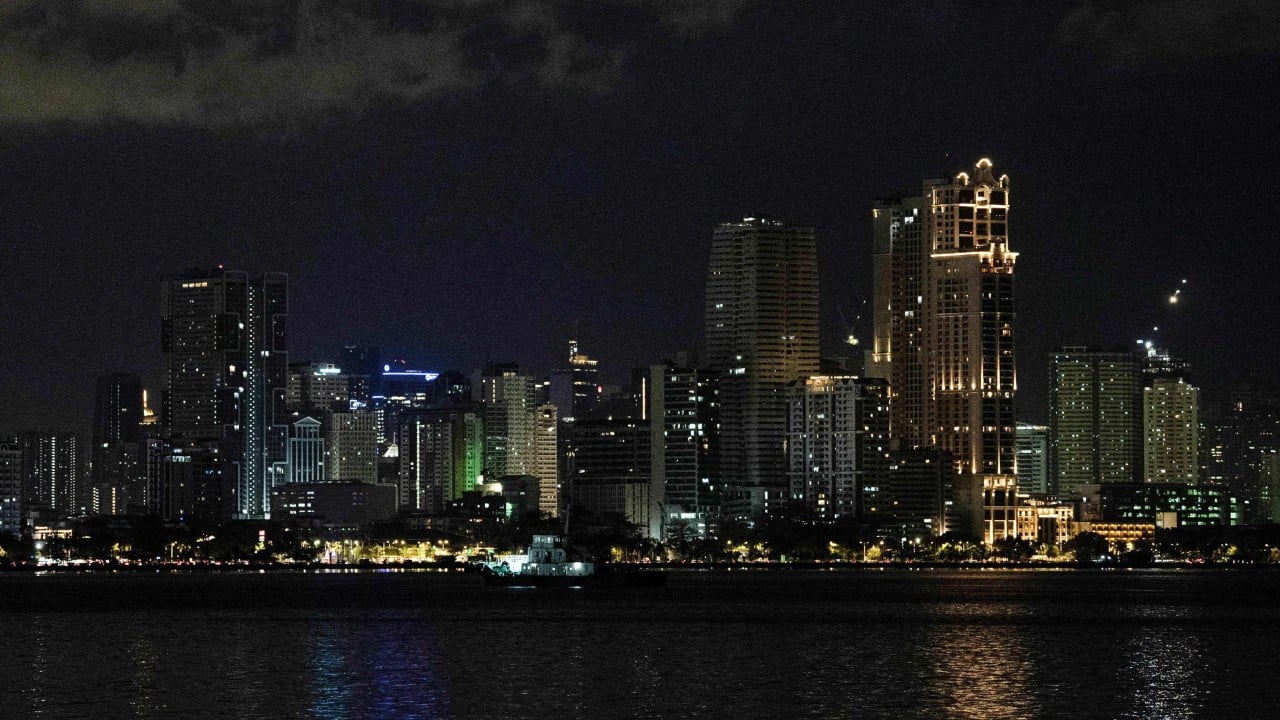
The headlines are buzzing with the news that the Philippines just crossed the threshold into upper-middle income country status. Government officials are celebrating. The World Bank updated its data, showing the nation's gross national income per capita hit $4,850, passing the magic line of $4,636. If you look at the official charts, things look spectacular.
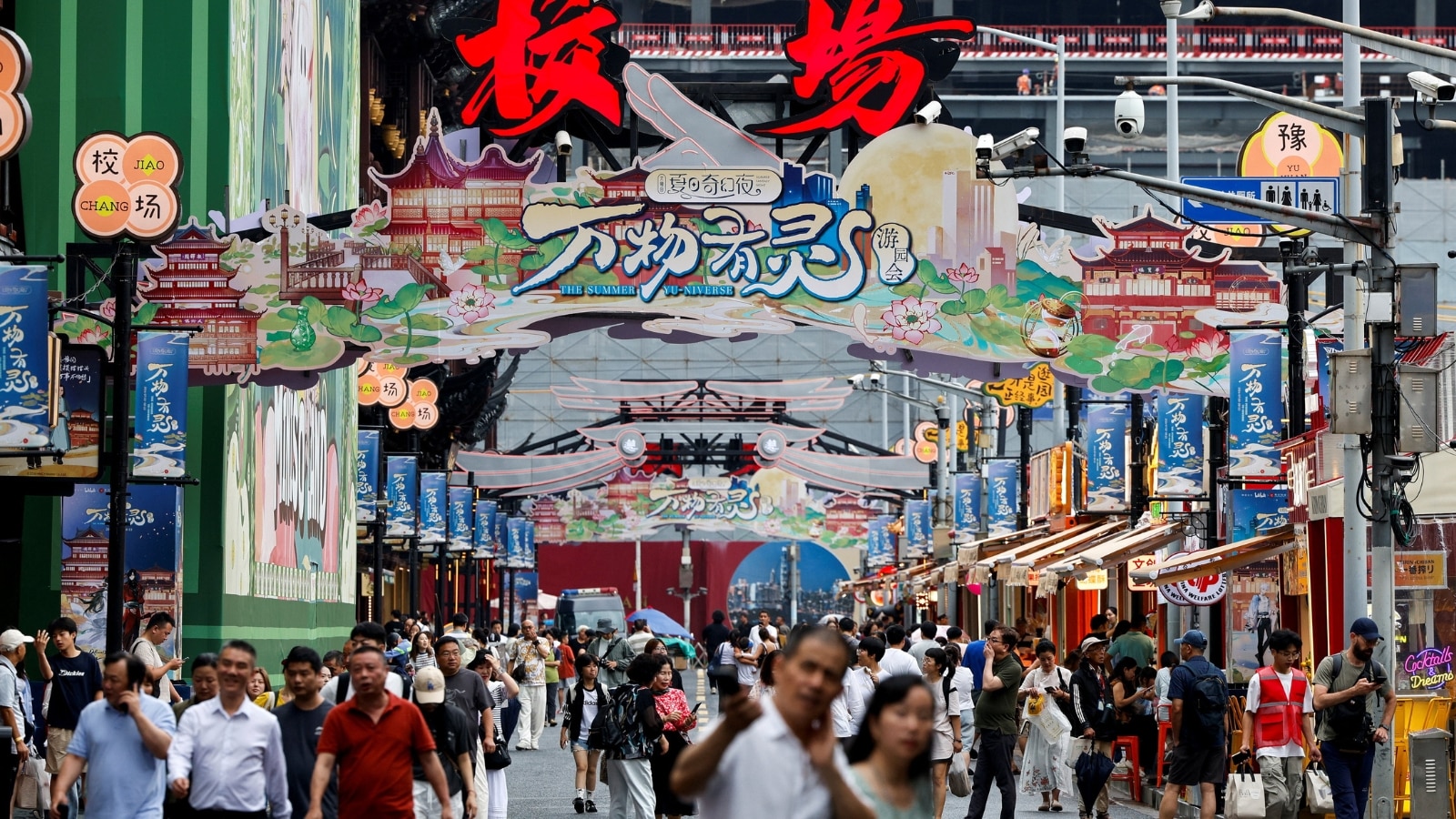
But if you walk down any street in Manila, Cebu, or Davao, nobody is throwing a party. Ask a jeepney driver, a call center agent, or a sari-sari store owner about this grand milestone, and they will likely give you a blank stare or a bitter laugh. It is just empty noise to them. The disconnect between macro data and the daily reality at the grocery counter is massive. For another perspective, see: this related article.
People are searching for answers because they want to know why a supposedly wealthier country feels tougher to live in than ever before. The short answer is simple. A rising average income does not mean your wallet got heavier. It means a small sliver of the population is making so much money that it drags the statistical average upward, while the cost of everyday survival keeps climbing. This shiny new classification changes things for international lenders, but it leaves the average family out in the cold.
The Illusion of the Mathematical Average
To understand why this feels like a joke to most citizens, you have to look at how the math works. Gross national income per capita is calculated by taking the entire economic output of the nation and dividing it by the population. It treats the billionaire owner of a giant mall chain the exact same way it treats a minimum-wage security guard. Related analysis on this trend has been published by MarketWatch.
When a few massive conglomerates experience soaring profits from property development, toll roads, and private utilities, the national number spikes. The security guard still earns the same daily wage. His pay remains legally capped, yet statistics claim his economic status has risen. It is a mathematical illusion.
This structural problem means the country crossed an income threshold without fixing its core production issues. True economic strength comes from manufacturing goods, exporting high-value products, and creating high-paying domestic jobs. Instead, the domestic economy relies heavily on remittances from overseas workers and call center revenues. These sectors bring in foreign cash, but they do not build a diverse industrial base. The wealth stays concentrated at the top, while the bottom layers struggle to buy a kilo of rice.
The Shocking Loss of Cheap International Aid
There is a major downside to this new status that economic managers are trying to downplay. When a nation is labeled a low-income or lower-middle-income country, it qualifies for cheap money. Global institutions like the Japan International Cooperation Agency give out loans with interest rates as low as 0.1% to 1.0%. These loans come with repayment timelines stretching over forty years. They fund major subways, railways, and flood control systems.
Now that the nation has moved up the ladder, it will lose access to these concessions. The rules allow a brief two-year grace period, but after that, the cheap credit lines get cut off. The government will have to rely on commercial loans or non-concessional terms from multilateral banks.
This means long-term borrowing costs are about to skyrocket by billions of dollars. When the state has to pay higher interest rates on its debt, that money has to come from somewhere. It usually comes from higher value-added taxes or fuel excise duties. It could also mean cutting budgets for public hospitals, state universities, and social safety nets. Moving up the global income ladder too early is forcing a dangerous financial transition. The country has the badge of honor, but it also gets a massive bill it can barely afford.
Even Global Rating Agencies Are Shaking Their Heads
While local politicians brag about the milestone, international debt watchers are sending out warnings. If things were truly flawless, credit ratings would be soaring toward elite status. They aren't.
Finance Secretary Frederick Go recently admitted that this income classification change won't do the heavy lifting required to secure a top-tier credit rating. The administration wants an premium rating by 2028, but the path is getting rockier.
Look at what happened in April 2026. S&P Global Ratings shifted its outlook on the country from positive down to stable. They kept the rating at triple-B-plus but noted that rising external risks are draining the economy. Geopolitical trouble in the Middle East has driven up global energy prices, which damages the local current account balance.
Fitch Ratings went even further, slashing its outlook to negative. A negative outlook means a formal credit downgrade could be coming next. They cited missed fiscal targets and a slowdown in big public infrastructure investments. When global financial institutions are downgrading their outlooks at the exact same time the World Bank gives out a status promotion, you know something is wrong under the surface.
Why Everyday Inflation Destroys the Macro Victory
The real battlefield isn't in a boardroom in Washington or a government office in foreign capitals. It is at the local wet market. High prices are completely wiping out any theoretical gains from economic growth.
The ongoing energy shocks that began earlier in 2026 have pushed electricity and transportation costs to painful levels. When fuel prices go up, the cost of moving vegetables from farms in Benguet to markets in Manila goes up too. The consumer absorbs every single cent of that increase.
Purchasing power is deteriorating rapidly. A thousand pesos buys significantly less food today than it did a year ago. Families are forced to buy smaller portions or cut out nutritious items entirely. When a parent has to decide between paying for their child's school project or buying fresh meat for dinner, a press release about upper-middle income status feels insulting. The micro vulnerabilities of the household cannot be hidden behind macro statistics.
How to Navigate This Harsh Economic Reality
Waiting for government policies to trick down to your wallet is a losing strategy. Since the cost of living will continue to outpace official wage growth, you have to take direct control of your financial survival.
First, look closely at your household budget and eliminate anything that drains cash without adding real value. High-interest consumer debt is your worst enemy right now. Do not use credit cards or high-interest online lending apps to fund lifestyle purchases. If you have existing debt, prioritize paying off the highest interest accounts immediately before rates climb higher.
Second, building multiple income streams is no longer optional. Relying on a single salary leaves you completely exposed to sudden layoffs or corporate restructuring. Look for freelance gigs, online consulting work, or small-scale home businesses that utilize your existing skills. The global digital economy allows you to earn in foreign currencies while living locally, which provides an excellent buffer against local inflation.
Third, focus on upskilling. The job market is changing fast, and basic administrative skills are losing value. Invest your time in learning specialized technical skills, data analysis, or advanced project management. The goal is to make yourself too valuable for a company to lose, which gives you leverage to demand higher pay during your next performance review.
Finally, keep a close eye on your savings. Leaving all your money in a traditional bank account means its value is actively shrinking due to inflation. Look into high-yield digital bank accounts that offer better interest rates, or consider conservative investment vehicles like government bonds or retail treasury bonds. Protect what you earn, diversify how you make money, and stop believing the hype coming from economic press releases.