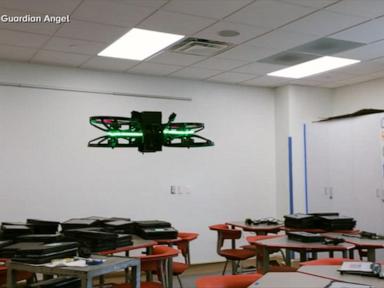
When an Austin startup pitched the idea of flying pizza-sized drones equipped with gel-based pepper spray down school hallways to stop active shooters, people didn't know whether to laugh, panic, or order them immediately.
State legislatures in Florida and Georgia didn't hesitate. They approved hundreds of thousands of dollars in grant funding to pilot these tactical indoor drones in select high schools. The pitch sounds like science fiction crossed with military defense: dozens of pre-positioned drones housed in ballistic boxes across a campus, ready to swarm a threat within 15 seconds of a verified panic button alert.
Critics call it a dystopian nightmare. Proponents call it the modern sprinkler system for school safety. Let's look past the tech hype and see what's actually going on with this controversial security trend.
The Reality of the Response Gap
You can have armed police officers on a campus, but physics dictates a harsh reality during an emergency. A shooter moves down a hallway in seconds, while a responding officer might be stuck on the opposite side of a sprawling campus or arriving from off-site.
Campus Guardian Angel, the company behind the tech, designed these indoor drones to bridge that exact window. The aircraft use 3-D building scans and precise geolocation to navigate indoor spaces. Once a human operator in an Austin control room verifies a threat via camera feeds, they launch the drones.
The goal isn't lethal force. The drones carry high-pitched sirens, strobe lights, two-way speakers to verbally distract or disorient an attacker, and pepper spray gel designed to impair vision and breathing. If chemical deterrents fail, the company states the physical drone can act as a kinetic projectile, hitting a suspect with the force of a swinging baseball bat.
Why Safety Experts Are Skeptical
Not everyone is sold on the concept. School safety consultants point out glaring logistical hurdles that corporate demos leave out.
For one, doors present a major physical barrier. Unless a door is propped open or smashed through by the drone's specialized front lance (assuming windows lack ballistic film), closed classroom doors will stop the devices cold. Active shooters move fluidly, and multiple false alarms or panic button activations can make tracking a real suspect nearly impossible before they shift locations.
Furthermore, introducing buzzing, flashing, chemical-spraying machinery into an already chaotic lockdown environment creates massive panic potential for students and teachers who haven't been thoroughly trained on what to expect. Critics argue that spending public funds on drone swarms distracts from proven, foundational prevention strategies like robust mental health resources, strict access control, and comprehensive staff training.
Where the Debate Stands Now
Pilot programs are rolling out in districts like Volusia County, Florida, where local sheriffs have publicly championed the technology as an inevitable evolution in campus defense. Parents are caught in the middle, torn between a desperate desire for any measure that might shave precious seconds off a law enforcement response and a deep unease over turning schools into militarized zones.
If you are a parent, school board member, or administrator looking at these emerging technologies, don't rely on vendor sales pitches. Look closely at your school's existing infrastructure, evaluate true choke points, and demand hard evidence before committing public dollars to unproven aerial interventions.
Watch the ABC News report on pepper-spraying drones