A two-thousand-pound wild animal doesn't care about your photo composition. It cares about space, hormones, and survival. Yet every single summer, tourists ignore basic physics and common sense near the geysers and campgrounds of Yellowstone National Park, treating iconic megafauna like oversized park-property livestock.
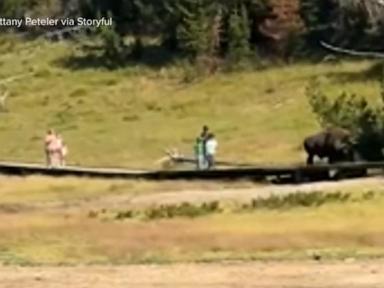
Take what happened at Bridge Bay Campground. A grandfather named Carl Isom-McDaniel was walking with his grandson when a massive bull bison rose from the grass. Seconds later, caught on camera by a nearby professional photographer, the animal charged, hunted them through the trees, and tossed the sixty-five-year-old visitor eight feet into the air. It’s a miracle he survived with his life. Meanwhile, you can find related stories here: Why Finding A Fragrance Free Hotel Room Has Become An Absolute Nightmare.
Most visitors completely misunderstand the actual threat level of a bison encounter until it's way too late. Let's look at why these incidents keep happening and what you need to know before stepping foot in bear and bison country.
The Myth of the Slow, Docile Herbivore
People see bison grazing lazily in Lamar Valley and assume they are slow. They look peaceful. They look heavy. To see the full picture, check out the detailed article by The Points Guy.
They are heavy—adult bulls can tip the scales at two thousand pounds. But slow? Absolutely not. A bison can sprint at speeds up to thirty-five miles per hour. That is roughly three times faster than a human can run. You cannot outrun one. If you are twenty feet away and a bull decides to close the gap, you will get caught.
Wild animals don't telegraph their intentions with a polite warning growl. They shift body weight, flip their tails, and explode forward. When a white pickup truck startled the resting bison at Bridge Bay, the transition from resting to running took less than a second.
Why Summer Makes Them Dangerously Unpredictable
Timing matters immensely. Summer marks the peak of the bison rut, or mating season. During this window, male bison are flooded with hormones, hyper-territorial, and aggressively defensive.
They aren't looking to cuddle. They are looking to fight rivals and assert dominance. If you wander too close during the rut, you look like a threat or an obstacle. Park guidelines require visitors to stay at least twenty-five yards away from bison and elk, and a full one hundred yards away from bears and wolves.
Most people break these rules because they want a high-resolution smartphone photo. They use portrait mode instead of a telephoto lens. They step closer to get the animal to fill the frame. That choice routinely sends people to emergency rooms with broken bones and goring injuries.
What To Do If a Bison Charges
If you find yourself in the path of an angry animal, your instincts will tell you to run. Running triggers a predatory chase response.
You need to override that panic. Move away slowly. Keep a large obstruction—like a boulder, a thick tree trunk, or a sturdy vehicle—between you and the beast. If the animal attacks and makes contact, drop and cover your head.
In the Bridge Bay incident, quick-thinking bystanders had to yell, scream, and physically charge the animal to pull its attention away from the victim. Relying on strangers to play hero isn't a reliable safety plan.
Give the wildlife room to breathe. Leave the telephoto lens in your bag if you aren't willing to use it properly, and remember that a national park is a functioning wilderness, not a petting zoo.
Stay back, stay alert, and respect the horns.