When federal agents raid a house, they expect drugs, cash, and maybe a firearm or two. They usually don't expect to walk into a private menagerie of some of the deadliest creatures on Earth.
That is exactly what happened during a high-stakes narcotics operation in the South Valley area near Albuquerque, New Mexico. Authorities didn't just seize roughly half a pound of cocaine, three firearms, and twenty-two thousand dollars in cash. They also hauled out sixty exotic snakes—fifty-two of which were highly venomous.
The Reality of Trafficking Wildlife Alongside Narcotics
The operation reads like a Hollywood script, but the danger to the local community was entirely real. Court documents and local news reports showed that the search warrant was executed following an undercover federal investigation into cocaine distribution.
Investigators found themselves sorting through an inventory that included cobras, mambas, pit vipers, and pythons. Some of these animals even had domestic-style monikers. Officials noted pythons named "Sunset" and "William," alongside cobras nicknamed "Blizzard" and "Pablo Escobar".
Yet, the absurdity of pet names quickly faded when experts looked closer at the manifest.
Why the Inland Taipan Changed Everything
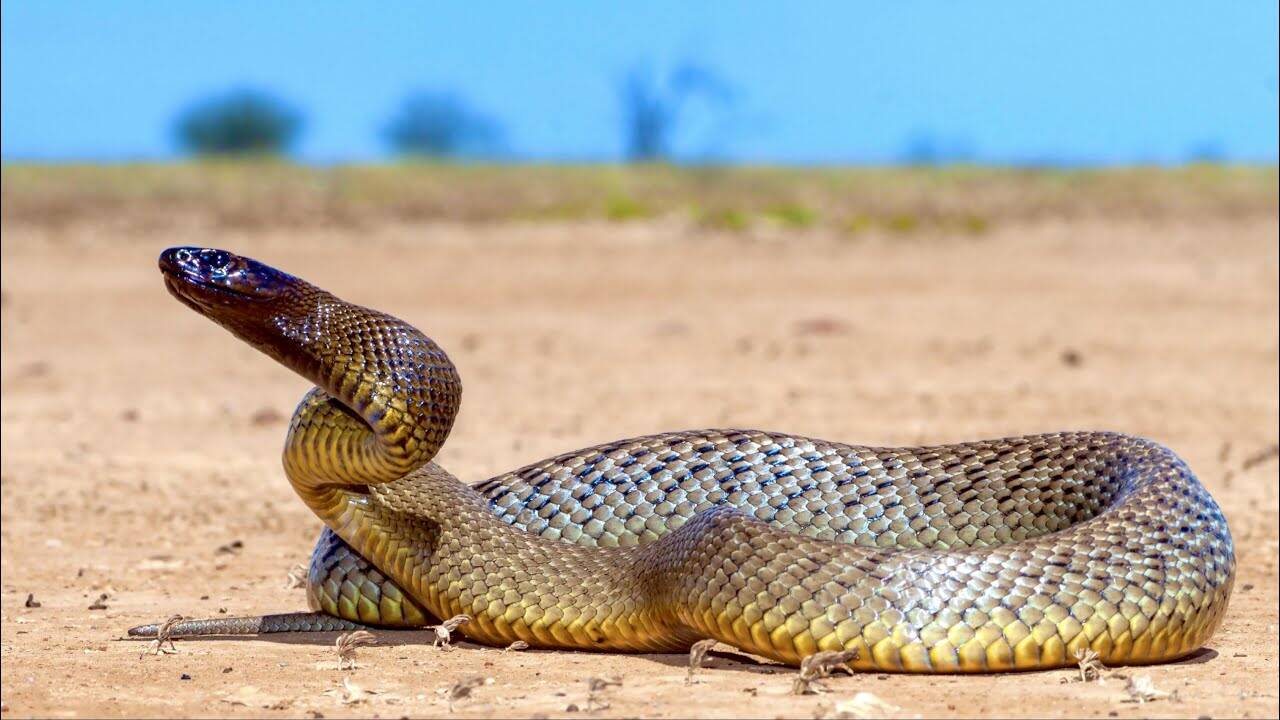
Among the seized reptiles was an inland taipan, a creature widely recognized by herpetologists as the most venomous snake on the planet. Drop for drop, its neurotoxic venom is potent enough to kill dozens of adult humans.
Professional snake wranglers pointed out the terrifying medical reality of keeping such an animal in a residential neighborhood. Connor Sharp, a local reptile expert, noted that finding an inland taipan captive just outside Albuquerque was staggering. The real crisis isn't just the potency of the bite; it is the complete lack of infrastructure to treat it. Medical facilities in New Mexico simply do not stock the specialized antivenom required for an inland taipan bite. If one had escaped, the local hospitals would have faced an impossible race against time.
Life Next Door to a Biological Powder Keg
Neighbors in the quiet South Valley community had no idea what was slithering behind closed doors. Some residents reported seeing strange clues over time, such as shed snake skins blowing out of trash containers on collection days. Most people brushed it off as odd neighborhood litter, never guessing they lived yards away from black king cobras and green mambas.
The proximity horrified families with young children. When law enforcement vans rolled up and spent hours hauling out cage after cage well into the night, the true scale of the risk hit home.
Where Do 60 Exotic Snakes Go Next?
Handling fifty-two venomous reptiles requires a level of specialized care that standard animal shelters cannot provide. State wildlife officials and specialized reptile handlers stepped in to examine the collection. Fortunately, the snakes appeared to be in generally good health despite the chaotic environment they were kept in.
Authorities quickly transferred the animals to licensed facilities equipped with secure enclosures and trained staff. Rare exotic pets of this caliber can command massive sums on illegal black markets—with certain specimens valued up to twenty thousand dollars—making them prime commodities for illicit trade networks looking to launder money or diversify assets.
The intersection of illegal narcotics and exotic wildlife trafficking highlights a growing underground economy. Criminal enterprises occasionally pivot toward exotic animal smuggling because of high profit margins and lax oversight in certain jurisdictions.
Check local wildlife ordinances and report illegal or unpermitted exotic animal holdings to state authorities immediately if you suspect dangerous creatures are being housed in residential areas.