Tanks and airstrikes didn't break Tehran's resolve, so Washington just shifted the battlefield to corporate balance sheets.
US Treasury Secretary Scott Bessent rolled out a massive financial offensive dubbed "Operation Economic Outcast", echoing the historic landing at Normandy with a pledge for an economic D-Day against Iran. Nearly sixty entities, individuals, and vessels immediately hit the target list, ranging from firms in Hong Kong to petrochemical buyers in India and Turkey. The message to the rest of the world is painfully blunt: sever ties with Tehran or get locked out of the US dollar financial system.
Yet, looking at this purely as a routine sanctions package misses the entire point of what's happening right now. The White House is trying to choke off an economy already reeling from months of direct military conflict. But nations dealing with Tehran aren't rolling over easily, and Iran's leadership insists they have alternative financial networks to weather the storm.
Why the D Day Analogy Matters
When officials invoke World War II imagery, they aren't just trying to sound tough for the cameras. The D-Day parallel signals a shift from sporadic penalties to a coordinated, multi-front siege designed to isolate a sovereign state completely.
Treasury isn't just targeting direct trade anymore. They've weaponized five specific sectors under executive authorities: digital assets, advanced technology, gold reserves, aviation networks, and maritime shipping.
- Digital Assets: Cryptocurrencies used by the Islamic Revolutionary Guard Corps to bypass traditional banking are now squarely in the crosshairs.
- Gold Reserves: As the Iranian rial craters to historic lows, the regime's attempts to stabilize currency using gold bullion face immediate secondary penalties.
- Logistics and Shipping: National shipping lines and tanker services moving illicit oil face a global freeze.
Bessent defended the decision to avoid an immediate blanket secondary sanctions hammer on all trading partners by asking a simple question: "Why would I want to blow up the global financial system?" Instead, Washington is handing foreign capitals defined timelines to wind down their Iranian exposure. If they miss the deadline, the financial penalties drop like an anvil.
The Real Friction Points With Global Partners
The strategy hits a brick wall when it runs into major economies that refuse to treat US directives as global law. China remains the primary buyer of Iranian petroleum, and Beijing's foreign ministry wasted no time pushing back, calling unilateral sanctions a violation of international norms.
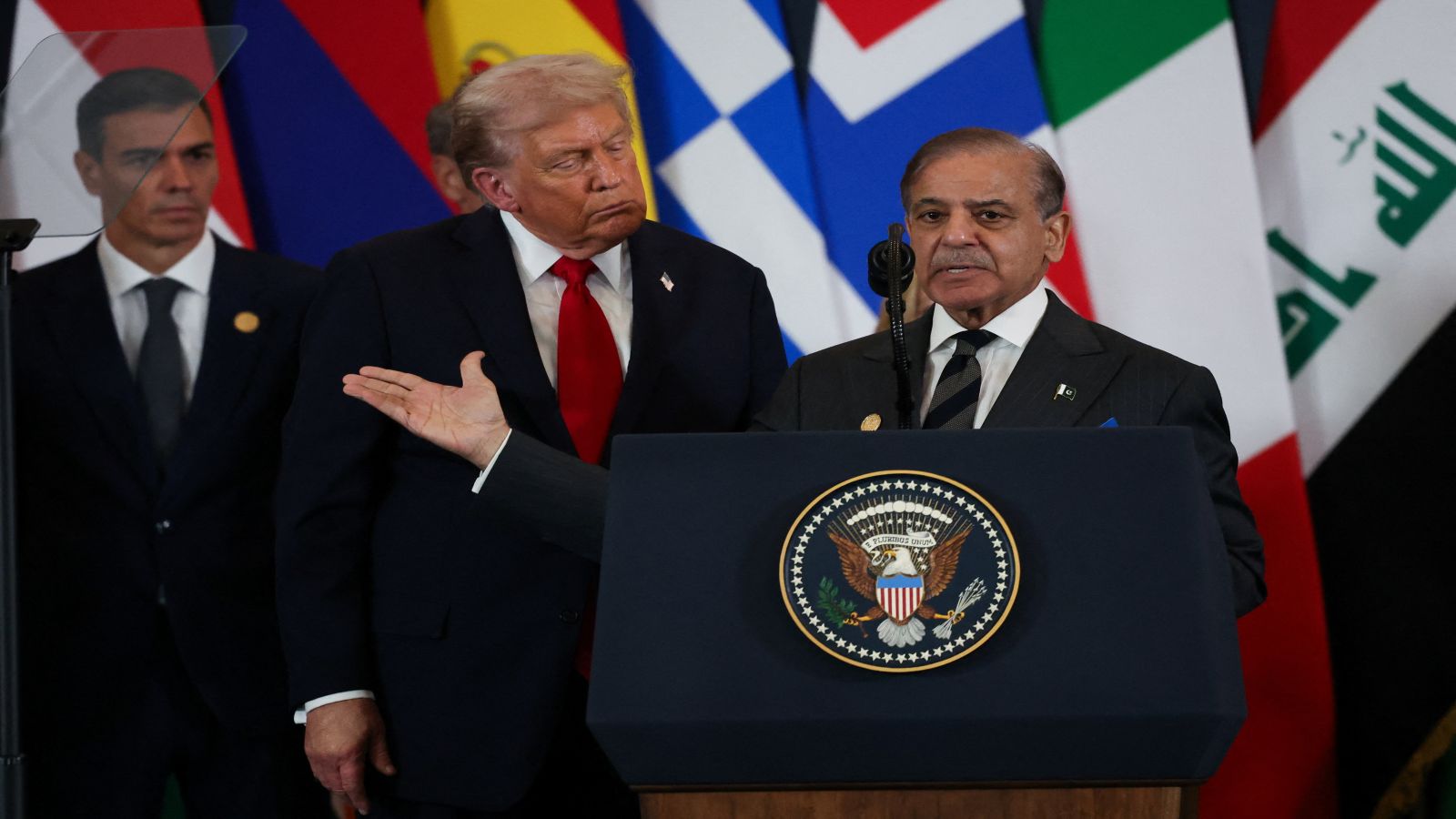
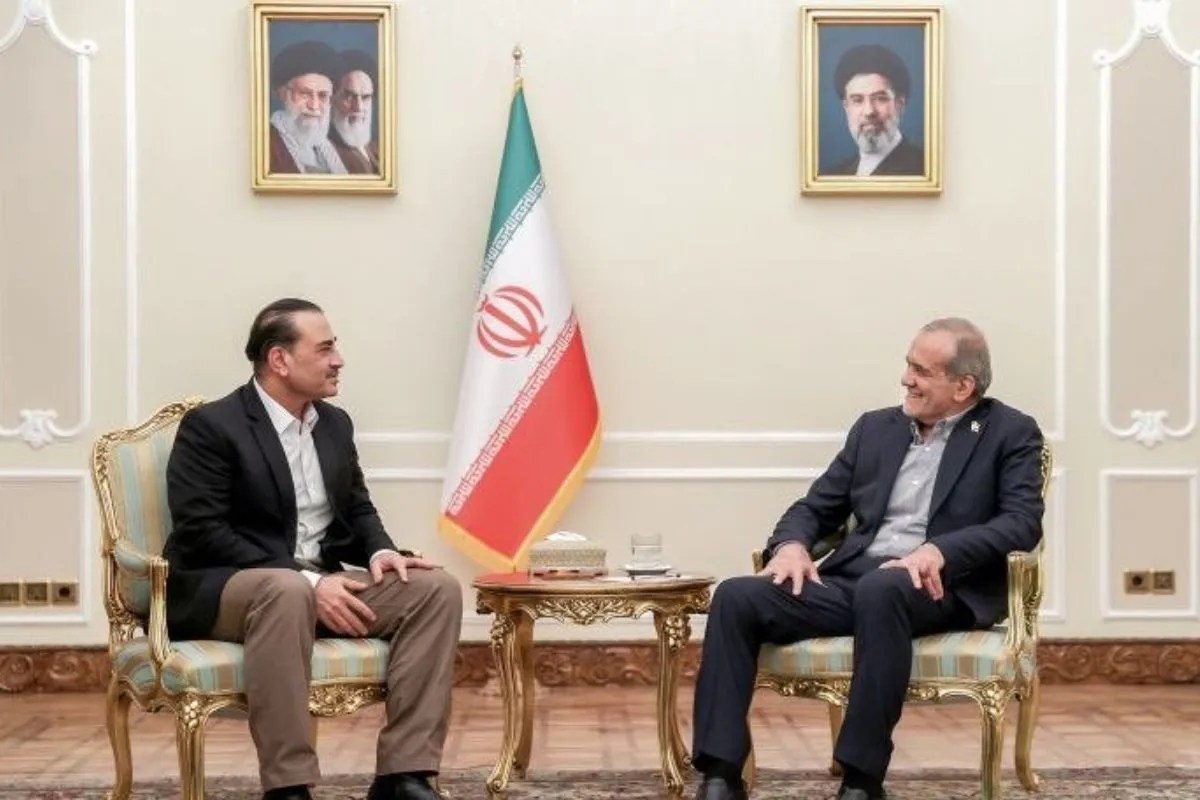
Other regional players are caught directly in the crossfire. The United Arab Emirates recently suspended all commercial and financial transactions with Iran, a move Washington welcomed as validation of its pressure campaign. Meanwhile, diplomatic channels are scrambling. Pakistan sent high-level military and political delegations to Tehran to broker breathing room, highlighting how desperately surrounding nations want to avoid getting crushed between Washington and Tehran.
Iranian officials are reacting with open defiance. Economy Minister Seyed Ali Madanizadeh dismissed the announcement as an economic terrorist attack, warning that Tehran has its own retaliatory measures prepared and that the global financial architecture is too decentralized for any single nation to control entirely.
What Happens Next for Businesses Caught in the Middle
If you run a business with international supply chains touching the Middle East or South Asia, assuming you are safe because you don't trade oil is a dangerous mistake. The expansion into technology, gold, and aviation sectors means compliance officers have to audit every single tier of their vendor lists.
Here is what you actually need to do right now to protect your operations:
- Audit Your Counterparties: Check every supplier, logistics provider, and customs broker against the latest Office of Foreign Assets Control updates. A single intermediary clearing goods through a blacklisted port can trigger a secondary enforcement action.
- Review Payment Channels: Avoid digital asset workarounds or informal hawala-style value transfers involving sanctioned jurisdictions. Treasury specifically noted that alternative payment methods are under intense surveillance.
- Establish Compliance Deadlines: If your firm has any legacy exposure in Iranian markets or secondary trade routes, treat Washington's unspoken grace periods as ticking clocks. Waiting for official enforcement letters guarantees frozen accounts.
The economic war for Iran's survival has entered its most aggressive phase yet. Pretending it won't affect global commerce is no longer an option.