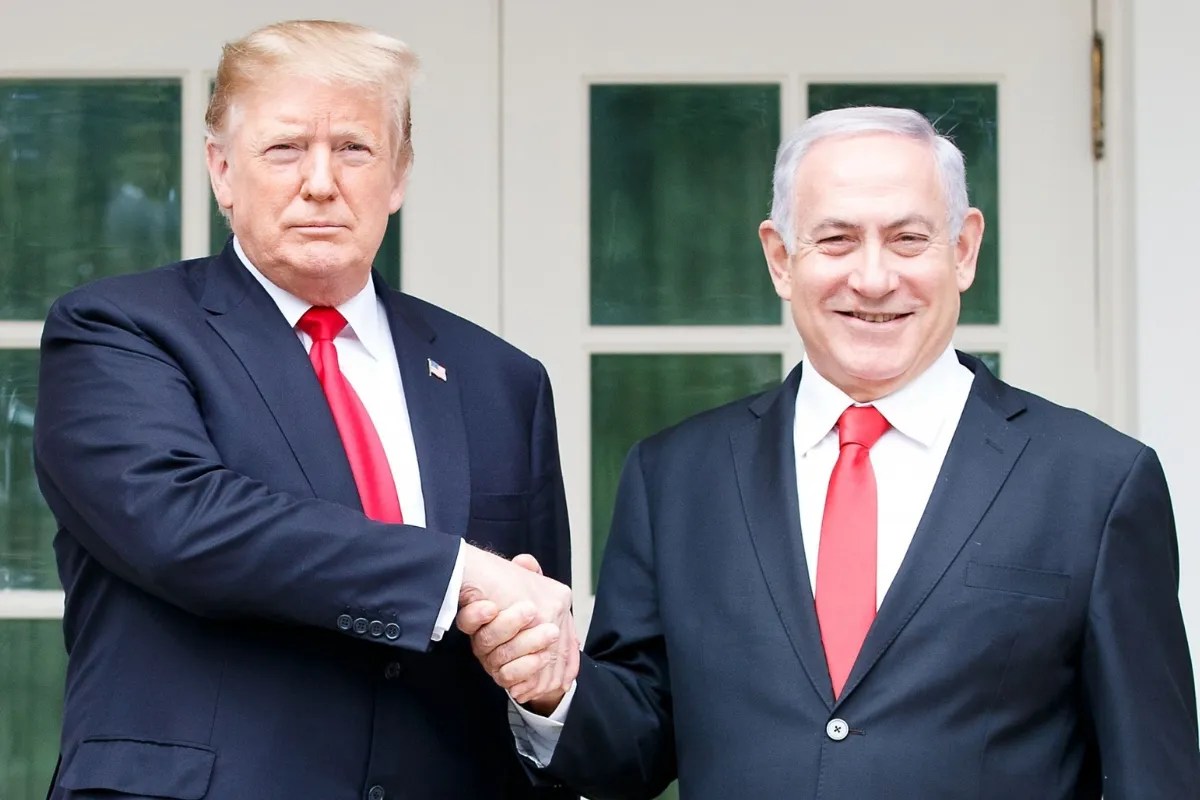
Donald Trump and Benjamin Netanyahu used to look like the ultimate political power couple. During Trump's first term, the chemistry seemed flawless. Moving the US embassy to Jerusalem, backing Israel’s claim over the Golan Heights, and ripping up the Iran nuclear deal—it looked like a match made in geopolitical heaven.
But look closer today. The public back-patting has replaced itself with leaked shouting matches, profane outbursts behind closed doors, and a deeply fractured relationship.
When news broke that Trump allegedly unloaded on Netanyahu during a heated phone call, calling his strategy "crazy" and venting that Israeli actions were actively wrecking US foreign policy plans, many pundits acted shocked. They shouldn't be.
Former Israeli diplomats, including Alon Pinkas, have been pointing out the rot beneath the surface for months. The reality is that Trump is furious with Netanyahu, and it boils down to two very specific, highly transactional friction points.
The US-Iran Peace Deal Nightmare
Trump wants a historic legacy deal, and he wants it now. His administration has spent immense diplomatic capital trying to cross the finish line on a massive peace framework with Iran. For Trump, securing an agreement that reopens the Strait of Hormuz and stabilizes regional trade is a massive "America First" victory.
Netanyahu sees an existential threat.
The tension reached a boiling point when Trump was working toward a critical diplomatic breakthrough. Netanyahu, determined to send an unmistakable message to Tehran that Jerusalem wouldn't tolerate ceasefire violations, ordered fighter jets to strike targets linked to Iranian interests in Lebanon and Beirut.
Trump exploded.
According to reports circulating among diplomatic circles, Trump viewed the military escalation as a direct attempt to sabotage his signature peace initiative. The logic from Mar-a-Lago is simple: Trump believes Israel's prolonged campaigns against Hezbollah and Hamas are dragging on far too long, causing excessive casualties, and burning up American leverage.
If you get between Trump and a deal he wants, he will turn on you. It doesn't matter how close you were in 2020. Aaron David Miller, a veteran Middle East negotiator, noted that Trump is entirely prepared to use his immense leverage over Israel if he feels Netanyahu is acting out of pure political self-preservation. Trump even went as far as publicly suggesting that Syrian President Ahmed al-Sharaa might do a better job handling Hezbollah than the Israeli military if Jerusalem can't wrap up operations quickly.
The 2020 Election Grudge That Never Died
To understand why Trump’s patience is razor-thin, you have to look at the personal betrayal he still carries. Trump has a long memory for perceived loyalty—and an even longer one for what he views as treason.
He has never forgiven Netanyahu for being among the first international leaders to congratulate Joe Biden after the 2020 presidential election.
Trump famously vented about this, explicitly stating that he did more for Netanyahu than for almost anyone else, only for "Bibi" to jump the gun and validate the Biden transition. John Bolton and other insiders have confirmed that this grudge isn't just background noise; it dictates how Trump views every single request Netanyahu makes today.
When Netanyahu looks for unconditional American backing for expanded military maneuvers, Trump doesn't see a strategic ally in need. He sees a leader who used him for political gains during his first term and then moved on the second the wind changed direction.
The Myth of a Protectorate
Alon Pinkas, the former Israeli consul-general in New York, recently argued that the asymmetry in the relationship has become blindingly obvious. For decades, Israel operated with a level of diplomatic cover from Washington that felt unconditional. Netanyahu grew accustomed to playing domestic political games, assuming the US would always catch him.
Trump is changing that math.
The current administration isn't driven by traditional, romanticized neoconservative views of the US-Israel alliance. It's a transactional, business-first foreign policy. The rising "restraint" wing of the conservative base doesn't want endless foreign entanglements or prolonged regional wars that threaten global energy corridors.
When Netanyahu repeatedly broke promises regarding regional ceasefires, Trump decided to re-establish exactly who the superpower is in this dynamic.
Where the Relationship Goes From Here
If you are tracking this conflict, stop looking for a sudden, emotional reconciliation. The relationship is permanently altered because their core incentives no longer align.
- Netanyahu's Goal: Prolonging military campaigns keeps his fragile governing coalition together at home and staves off domestic political reckoning.
- Trump's Goal: Ending conflicts rapidly, signing high-profile economic and peace deals, and avoiding any scenario where American assets are dragged into a regional quagmire.
What most people miss is that this isn't a permanent rupture of the US-Israel strategic alliance. The two nations still cooperate deeply on intelligence and hardware. Instead, it’s a cold, hard lesson in transactional politics. Netanyahu tried to pull standard diplomatic maneuvers on a president who views foreign policy through the lens of a real estate contract.
Don't expect the public friction to ease until Israel aligns its operational timeline with Trump's dealmaking schedule. Until then, the outbursts will keep happening, the leaks will keep coming, and Netanyahu will find himself operating on an increasingly short leash.