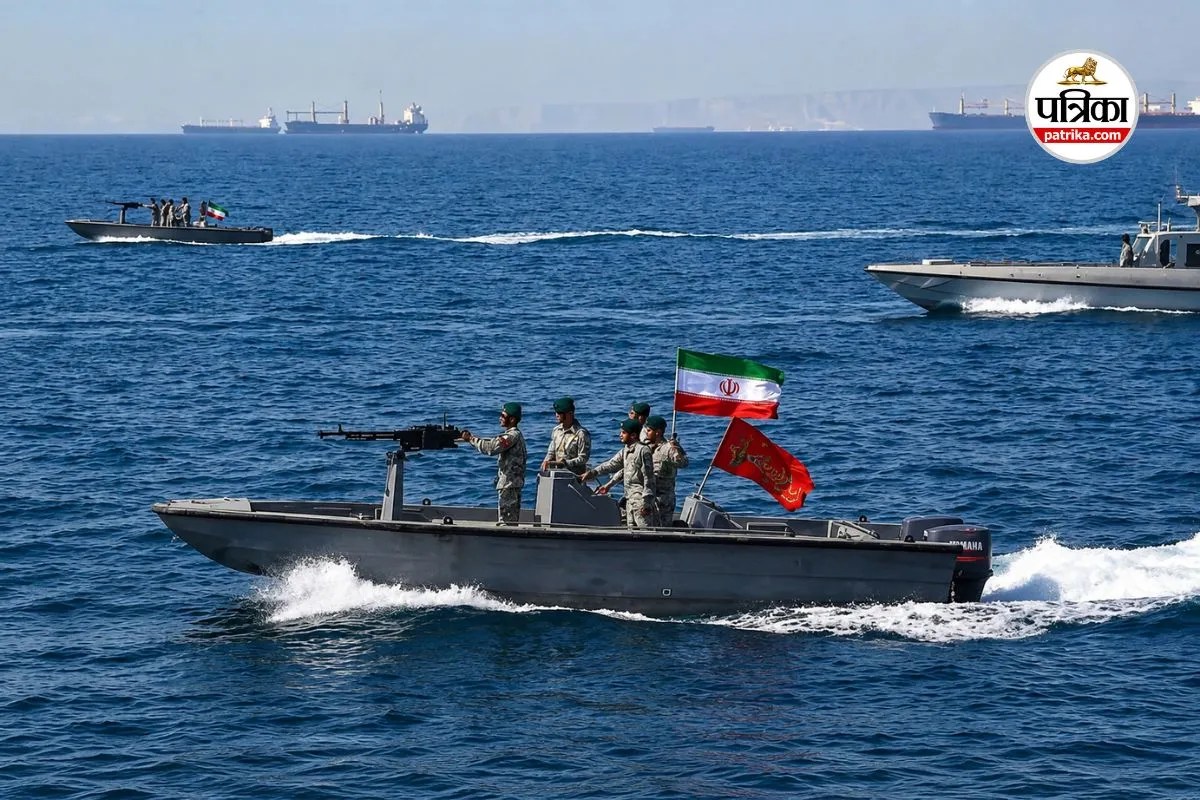
Everyone is watching the Strait of Hormuz right now, but few are talking about the actual financial mechanics Tehran is trying to force onto global trade. If you think this is just another diplomatic standoff over oil, look closer. Iran wants to permanently rewrite how the world's most critical maritime chokepoint operates, and the proposed cargo fees are just the beginning.
The Real Cost of Crossing Hormuz
Let's cut through the noise. Tehran's strategy involves levying fees that could run anywhere from 5% to 7% of a ship's total cargo value. For supertankers carrying billions of dollars in energy products, that percentage turns into a massive multi-million dollar cash grab per transit. Read more on a related topic: this related article.
International shipping groups are panicking for a reason. If Iran successfully establishes this precedent, every regional power with a coastline near a narrow strait will start charging highway robbery tolls. The International Chamber of Shipping and other major bodies have rushed to warn the UN, knowing that temporary wartime measures love to turn into permanent commercial realities.
Why China and Russia Get a Free Pass
If you are wondering who benefits, look at who avoids the bill. Reports indicate that close allies like China and Russia are lined up for preferential treatment or outright fee waivers. Iran is weaponizing geography to lock its strategic partners into an exclusive economic orbit while squeezing Western-aligned supply chains. Additional journalism by TIME highlights similar views on the subject.
It is a clever geopolitical wedge. By exempting Beijing and Moscow, Tehran splits the international coalition trying to isolate it. Meanwhile, ships flagged to countries caught in the crossfire face agonizing delays, high-risk insurance assessments, and demands to clear payments through non-dollar mechanisms like the Chinese yuan or digital currencies.
The Dangerous Precedent for Global Supply Chains
For decades, the standard assumption was that Hormuz remained an open international highway. Treaties guaranteed freedom of navigation. Tehran views things differently now, treating the strait less like shared global water and more like sovereign tollbooth real estate.
Even as temporary 60-day transit arrangements and alternative Omani-coorinated southern lanes get floated in diplomatic talks, the underlying threat remains. Shippers are dealing with forced security escorts, mandatory pre-clearance codes, and the constant underlying fear that a sudden escalation could trap their fleets overnight.
Don't expect energy prices to stabilize just because a temporary ceasefire makes headlines. The structural risk to global shipping is locked in for the long haul. Keep a close eye on how compliance gets enforced on the water, because the era of free passage through Hormuz is officially dead.