The global economy runs on oil, and oil runs through a narrow maritime choke point that Tehran basically holds hostage. When the Islamic Revolutionary Guard Corps declares that the Strait of Hormuz stays shut until Washington caves to every single demand, markets panic. You hear analysts screaming about thirty-dollar energy spikes and total supply chain collapse. Most commentators miss the actual power dynamics at play.
This isn't just about routine military posturing. It is a calculated economic and territorial squeeze.
The Real Price of Opening the Waterway
Tehran isn't going to back down because of a social media threat or a passing naval destroyer. The position from the IRGC spokesperson Sardar Mohebi is crystal clear: the shipping lane stays locked behind specific security mechanisms. The conditions aren't small details. Iran wants an end to regional interference, a complete halt to American military actions in the Persian Gulf, full compensation for conflict-related damages, and the release of billions in frozen assets.
You have to look at what's happening on the ground. While diplomats talk with Oman about a fresh shipping protocol, the military leadership on both sides keeps hardening its stance.
- US naval blockades remain active near Iranian ports.
- Regional proxy conflicts continue to disrupt baseline stability.
- Energy importers like India are forced to scramble for alternative supplies from Russia and Africa to survive the bottleneck.
Why Washington's Strategy Keeps Stalling
The White House insists that commercial vessels can pass safely, but tanker traffic tells a completely different story. Ship captains don't care about diplomatic optimism when missiles are flying and maritime insurance rates are through the roof.
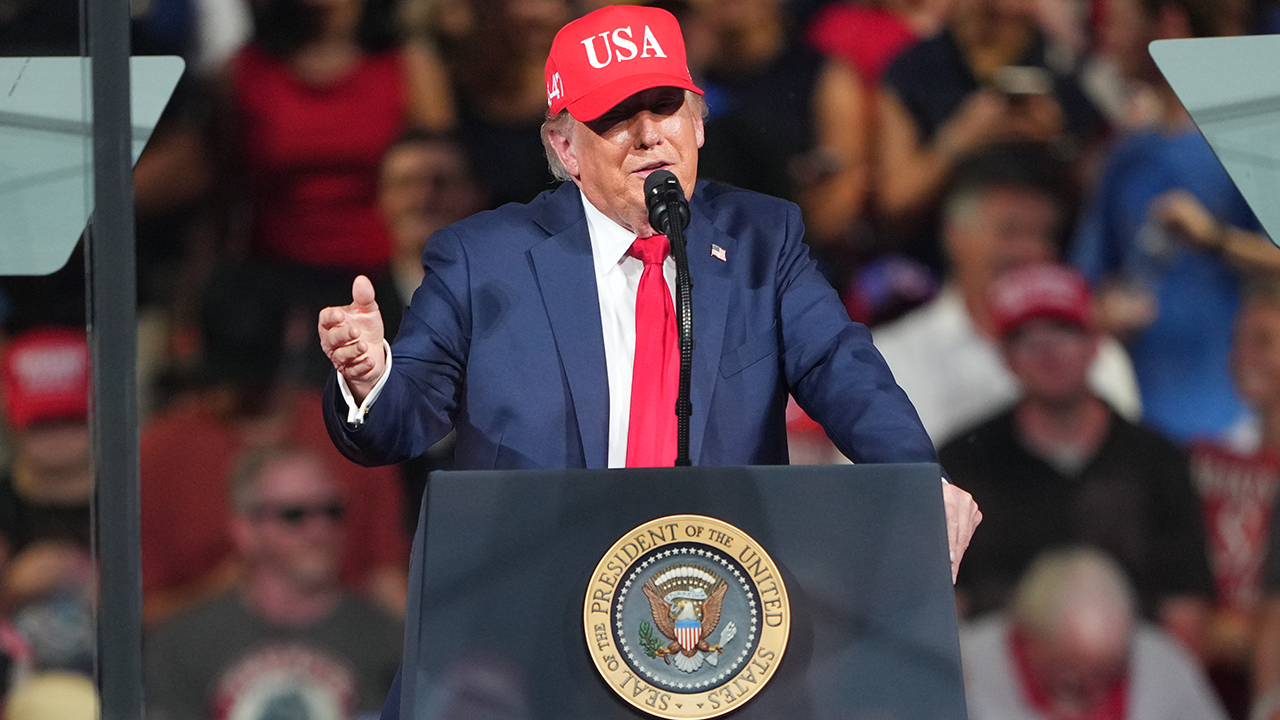
When President Donald Trump claims a deal is right around the corner, he's projecting confidence. The reality on the water is much messier. Iran's Supreme National Security Council has laid out a rigid roadmap. They want structural concessions, not temporary ceasefires that leave them vulnerable to the next round of economic sanctions.
If you think a quick signature will fix this route, you're ignoring how deep the mistrust goes. Decades of hostility mean neither side trusts the other to keep its word past the first week of implementation.
What Happens Next for Global Energy
Look past the headlines about sudden breakthroughs. The choke point remains a high-stakes bargaining chip. Until actual financial and military compromises are signed into effect, tankers will tread carefully, energy prices will stay volatile, and the Gulf will remain a powder keg.
Stop waiting for a clean, permanent resolution tomorrow. This standoff is rewriting how international trade routes operate under duress.
IRGC Warns Strait of Hormuz Will Stay Closed Until US Ends Regional Interventions | News18
This video provides a detailed breakdown of the IRGC's warnings regarding the Strait of Hormuz and the broader implications for international shipping and energy markets.
http://googleusercontent.com/youtube_content/1