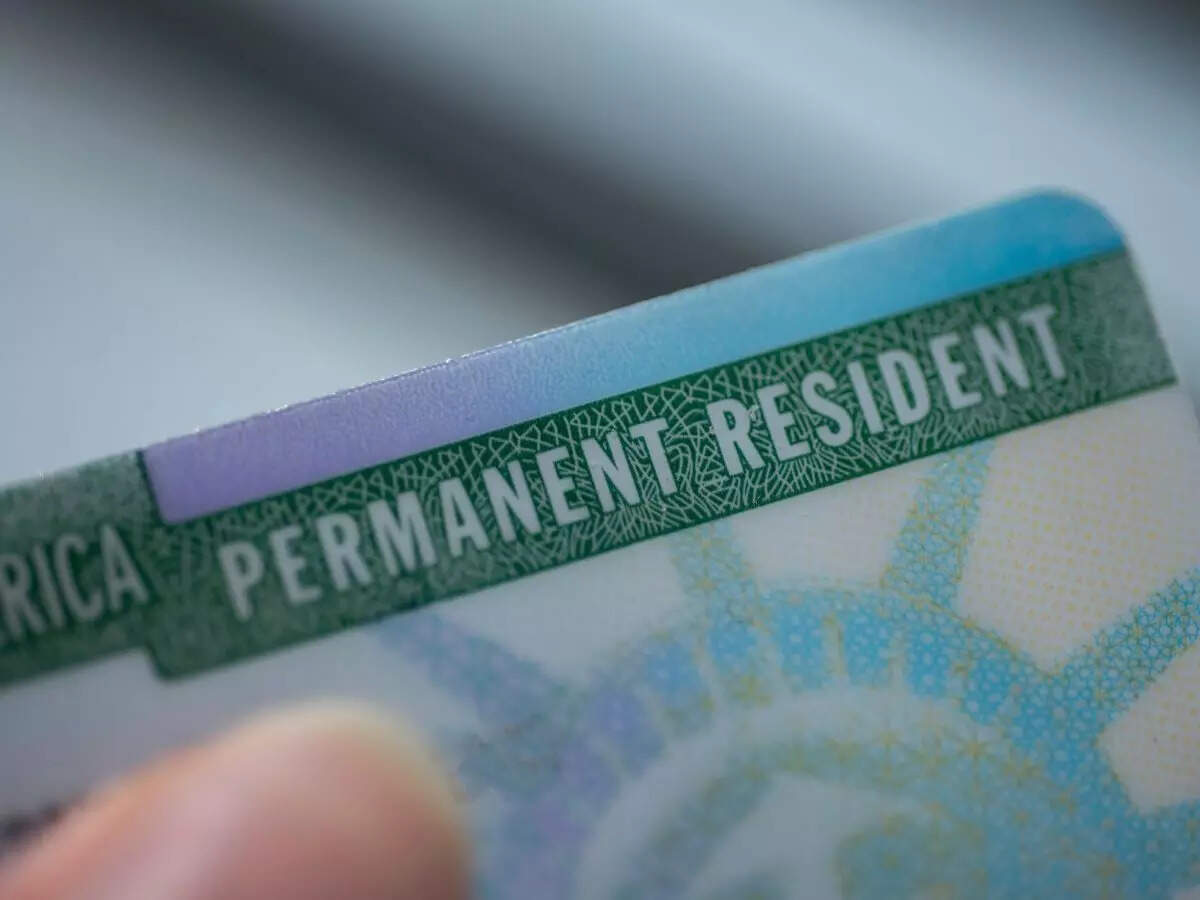
If you are planning to apply for a US green card, the rules just changed. The Department of Homeland Security (DHS) announced a massive shakeup to the "public charge" standard. The Biden-era 2022 regulation is officially getting tossed in the trash, replaced by a much stricter policy that grants immigration officers broad power to deny permanent residency based on your finances, health, age, and even your English skills.
This is not a drill. The new final rule takes full effect on September 18, 2026.
For years, the public charge rule was relatively straightforward. Unless you were receiving direct cash welfare or long-term government-funded institutional care, you were largely in the clear. That era is over. The US government is reviving an aggressive screening process designed to ensure that only the highly self-sufficient can secure permanent legal status.
If you or a family member are navigating the immigration system right now, you need to understand exactly what this change means. Surviving this policy shift requires knowing the rules better than the officers evaluating your file.
How the New US Public Charge Rule for Green Cards Actually Works
At its core, the public charge law is a safety filter. Under the US Immigration and Nationality Act, immigration authorities can deny a visa or green card to anyone they believe is likely "at any time" to rely on the government for financial support.
While the statutory law has been on the books for decades, the way it gets defined changes dramatically depending on who is sitting in the White House.
The outgoing 2022 Biden regulation kept things highly restricted. It limited the definition of a public charge strictly to people primarily dependent on cash assistance (like Supplemental Security Income or TANF). It explicitly protected applicants who used non-cash benefits like Medicaid, food stamps, or housing programs.
The new policy sweeps those protections away. Instead of a narrow checklist, immigration officers are getting broad, subjective discretion to look at your entire life through a financial magnifying glass. They are assessing whether you might ever need help in the future, using a metric called the "totality of circumstances" test.
The Details of the September 18 Policy Shift
Do not wait until the fall to get your paperwork in order. The transition on September 18, 2026, is a hard cutoff.
On that day, US Citizenship and Immigration Services (USCIS) will release a completely revised Form I-485 (Application to Register Permanent Residence or Adjust Status). This new form will require a much deeper disclosure of your financial history, assets, and liabilities.
Here is the kicker: if you submit or postmark an older version of Form I-485 on or after September 18, USCIS will reject your application instantly. You cannot slip by on the old standards once that date hits.
Instead of waiting for a slow legislative rollout, DHS is implementing these changes through sub-regulatory policy guidance. This means officers on the ground get immediate, sweeping power to apply the new, tougher standards without waiting for months of court battles to clear.
What Benefits Will Weigh Against Your Application
The question everyone is asking is simple: "If I used a public benefit, is my green card application dead?"
Not necessarily, but the risk profile has spiked. Officers will conduct case-by-case reviews. However, the use of previously safe, non-cash government assistance can now heavily damage your case.
The benefits that put you at risk
- Cash Assistance: Supplemental Security Income (SSI), Temporary Assistance for Needy Families (TANF), and state or local cash maintenance programs. Tapping these remains a major red flag.
- SNAP (Food Stamps): Formerly protected under the 2022 rule, nutrition assistance is now a negative factor.
- Medicaid: Tapping into public healthcare will be heavily scrutinized, with limited exceptions for emergency medical care, children under 21, and pregnant women.
- Housing Assistance: Relying on Section 8 vouchers or public housing will count against your financial self-sufficiency profile.
- Subsidies under Obamacare: Premium tax credits and Medicare Part D subsidies are now subject to officer discretion, meaning they can easily be interpreted as a negative factor.
If you are currently enrolled in any of these programs, you need to evaluate the cost of staying on them versus the risk of a green card denial.
The Under-the-Radar Factors They Evaluate Now
Many applicants assume that if they have never used a welfare check, they are 100% safe. That is a dangerous assumption under the new 2026 rules.
Because officers must look at the "totality of circumstances," they are assessing your risk of becoming dependent in the future. You can be deemed a public charge risk even if you have never taken a single penny from the government. Officers will scrutinize five key areas:
Age and health as financial liabilities
If you are under 18, your age is generally considered neutral because you rely on your parents. If you are between 18 and 61, your age is a positive factor because you are of prime working age.
However, if you are 62 or older, your age becomes a neutral-to-negative factor. If you are over 65, it is considered highly negative. Why? The government worries about your future healthcare costs and lack of retirement savings.
Your medical records will be picked apart. Chronic health conditions like diabetes, heart disease, cancer, or even severe mental health conditions like treated depression can be marked as negative factors. Officers want to know if your health will prevent you from working or if you will require expensive public medical care.
Education and English proficiency
Do you speak fluent English? Can you write it?
Under the new guidance, limited English skills are viewed as a negative factor because they limit your job prospects. Having a college degree or specialized technical training is a major positive factor. Conversely, having only a high school diploma or unmarketable job skills will weigh against you.
Who is Safe From the Public Charge Test
It is easy to panic when reading these changes, but it is important to know that these rules do not apply to everyone. Whole categories of immigrants are completely exempt from the public charge test by federal law.
If you fall into any of these categories, these changes will not impact your green card pathway:
- Refugees and Asylees: Your status protects you from public charge screenings.
- U and T Nonimmigrant Visas: Victims of human trafficking or severe crimes are exempt.
- VAWA Self-Petitioners: Survivors of domestic violence applying under the Violence Against Women Act are safe.
- Existing Green Card Holders: If you already have your green card and are simply renewing it or applying for US citizenship, the public charge test does not apply to you.
Consular Processing and the 75 Country Visa Ban
The venue of your application matters immensely. If you are applying for your green card from inside the United States via USCIS, you are subject to the case-by-case totality of circumstances test.
However, if you must leave the US to attend your green card interview at a US embassy or consulate abroad (consular processing), the landscape is significantly harsher. The Department of State has issued highly aggressive guidelines that make consular public charge denials much more common.
Even more severe is the blanket visa pause that went into effect earlier in 2026. The administration put a temporary halt on visa issuances for citizens of 75 specific countries based on systemic public charge concerns. If you are consular processing and your home country is on that list (which includes nations like Afghanistan, Bangladesh, Brazil, Colombia, and others), your visa processing may be frozen entirely while litigation plays out in the federal courts.
If you have the option to adjust status inside the US rather than traveling abroad for an interview, that is a strategy you should discuss with an immigration attorney immediately.
Immediate Action Steps to Protect Your Green Card Case
Sitting back and hoping for the best is a losing strategy under these new rules. You must actively build a bulletproof financial profile before submitting your I-485.
1. Supercharge your sponsor's financial profile
The bare minimum requirement for an Affidavit of Support (Form I-864) is showing an income of 125% of the Federal Poverty Guidelines. Under the new policy, 125% is barely going to cut it. Aim to show a sponsor income of 150% to 200% of the poverty guidelines to make your application competitive and minimize officer scrutiny. If your primary petitioner does not make enough, secure a joint sponsor with a highly stable, well-documented income immediately.
2. Build and document your assets
If your income is borderline, back it up with liquid assets. Gather six to twelve months of bank statements showing stable savings. Document property ownership, 401(k) or retirement accounts, and investment portfolios. The goal is to prove you have a financial safety net that prevents you from ever needing government assistance.
3. Transition to private health insurance
If you or your family members are on public health benefits, look for ways to transition to private health insurance plans. For older applicants (over 50) or those with chronic conditions, having a solid private health insurance policy is one of the strongest defenses against a public charge denial.
4. Upgrade your credentials and language skills
Do not let your education or language skills hold your application back. If you have time before filing, take certified English language courses and keep records of your enrollment and progress. Secure a written job offer in the US that shows your prospective wage is well above the median for your field. Collect copies of all your diplomas, transcripts, and professional certifications to submit with your application package.
The new rules are designed to weed out applicants who look financially vulnerable on paper. Your job is to make sure your application package paints a picture of absolute financial independence. Start gathering your tax returns, asset valuations, and employment letters today, and make sure your filing strategy aligns with the reality of the September 18 deadline.