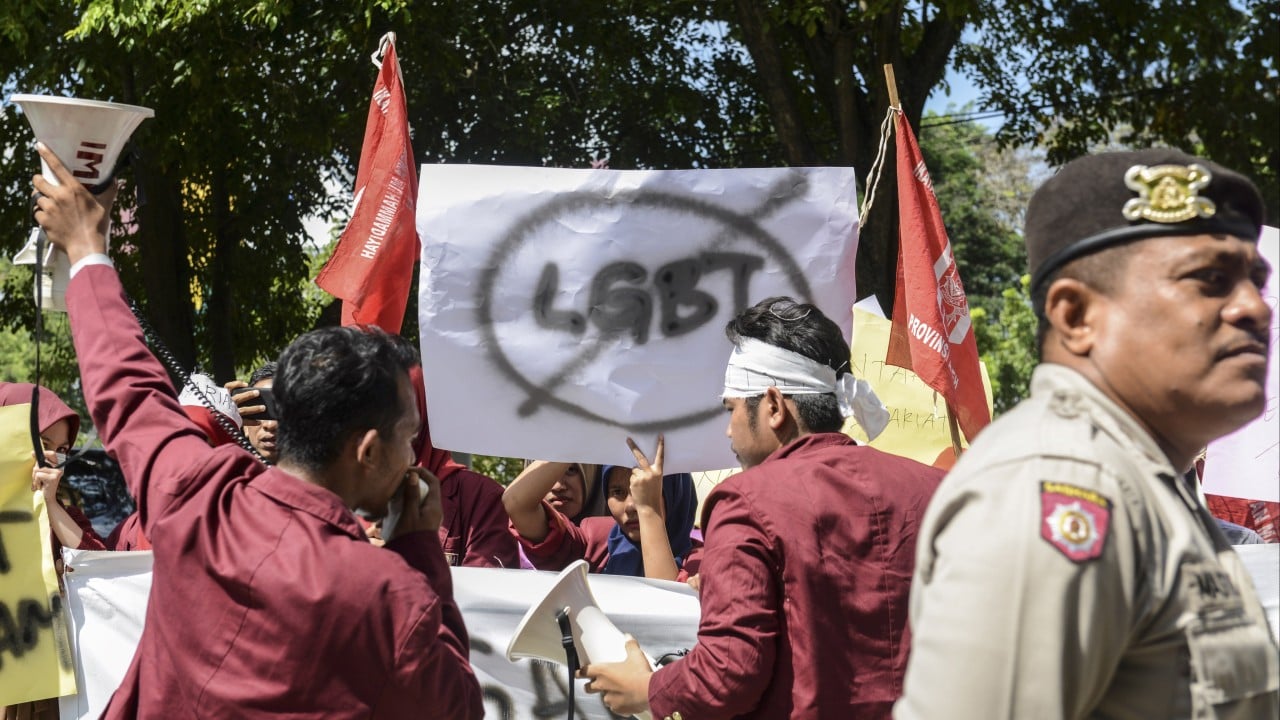
Walking onto an Indonesian university campus today feels vastly different than it did a decade ago. It's colder. More paranoid. You might think the recent restrictions on student life in Jakarta or West Sumatra are just isolated local controversies. They aren't. Indonesia's anti-LGBT education push has transformed from sporadic school-level policies into a coordinated state-backed campaign that targets vulnerable youth.
This isn't just about conservative social norms. It's a structural lockdown. If you're a student in Surabaya or Padang right now, expressing anything outside traditional gender norms can get you expelled, doxxed, or worse. Most international observers look at this and see a sudden burst of religious zealotry. But that misses the actual point. This systemic crackdown is highly political, institutionalized, and intentionally built into the country's national security framework.
The Real Drivers Behind Indonesia's Anti-LGBT Education Push
The turning point didn't happen overnight, but the policy shift solidified dramatically when national security definitions changed. In October 2025, President Prabowo Subianto signed a decree concerning the country's national defense policy. That document explicitly categorized "the spread of LGBT culture" as a non-military threat to national security.
Think about that for a second. Queer teenagers and college students are now legally viewed through the same national threat lens as cyber warfare or cross-border smuggling.
When the state labels a identity group a security threat, bureaucratic machinery responds instantly. At least 10 major public universities implemented strict discriminatory regulations targeting gender and sexual diversity. Campus administrations aren't just ignoring harassment anymore; they're actively facilitating it.
Expulsions and the Erasure of Student Privacy
University officials routinely force incoming students to sign forms declaring they aren't part of the LGBT community. If you sign it and someone later exposes you, expulsion is immediate.
Look at what happened at Padang State University in West Sumatra. A student suspected of being gay was thrown out after an anonymous video circulated online. The administration didn't investigate the privacy violation. They just cited "sexual deviation" and cut off the student's access to education.
The intimidation spreads to student journalism too. Members of Suara Mahasiswa, a student news outlet at the Universitas Indonesia, faced severe doxxing, stalking, and threats after publishing a report on campus human rights violations. Campus authorities didn't offer protection. They stayed quiet.
How the New Criminal Code Changes the Rules
The legal framework shifted heavily in January 2026 when Indonesia's new criminal code officially took effect. While the code doesn't explicitly outlaw being gay in every province, it introduces vague "obscenity" and extramarital sex clauses that are easily weaponized by conservative groups and local morality police.
- Local governments have passed over 45 distinct anti-LGBT regional regulations across the archipelago.
- The Indonesian Psychiatric Association has historically pathologized these identities, providing a pseudo-scientific shield for state bias.
- Mass religious organizations openly demand forced rehabilitation programs.
This creates a terrifying loop. A student gets outed on social media. The university expels them to protect its "moral standing." Local authorities use regional ordinances to justify further harassment. The victim has zero legal recourse because national anti-discrimination protections don't exist for sexual minorities.
The Economic and Psychological Cost of Exclusion
This institutional push doesn't happen in a vacuum. It breaks people. When you tell an entire generation of young people that their identity makes them a threat to the state, mental health crises skyrocket. Stigmatized youth drop out of school, avoid healthcare clinics out of fear, and withdraw from the economy entirely.
Data from the Williams Institute indicates that systemic exclusion and workplace discrimination against LGBT individuals costs the Indonesian economy anywhere from hundreds of millions to billions of dollars annually in lost productivity. You can't build a modern, high-growth economy while systematically tracking down and alienating your young talent pool.
Practical Steps to Navigate an Unforgiving System
If you're an educator, student, or ally trying to survive or assist within this environment, broad platitudes won't help you. You need direct tactics to mitigate risk.
First, prioritize digital opsec. Student groups must move away from public social media platforms for coordination. Use encrypted messaging apps with disappearing messages turned on. Never use your real name or face in student-led forums that touch on gender identity.
Second, reframe the language of advocacy. Facing down campus administrators by demanding LGBT rights directly usually leads to immediate blowback. Instead, tie your arguments to universal rights recognized under Indonesian law, such as the right to education under Article 28C of the Constitution and the general anti-bullying mandates issued by the central Ministry of Education.
Third, bypass local campus infrastructure when seeking help. Organizations like the Jakarta-based Crisis Response Mechanism Consortium offer actual assistance, legal advice, and emergency shelter that university boards will never provide. Build connections with these outside networks before a crisis hits.
The political climate isn't changing anytime soon. Survival means recognizing that the system is actively hostile and adjusting your safety protocols accordingly.