You have probably seen the headlines or felt the sudden jolt of frustration during your morning commute. Crude oil prices are plummeting on the global market, yet the digital numbers on the gas station sign down the street barely budge. It feels like a scam. Honestly, it kind of is, but not in the way you might think.
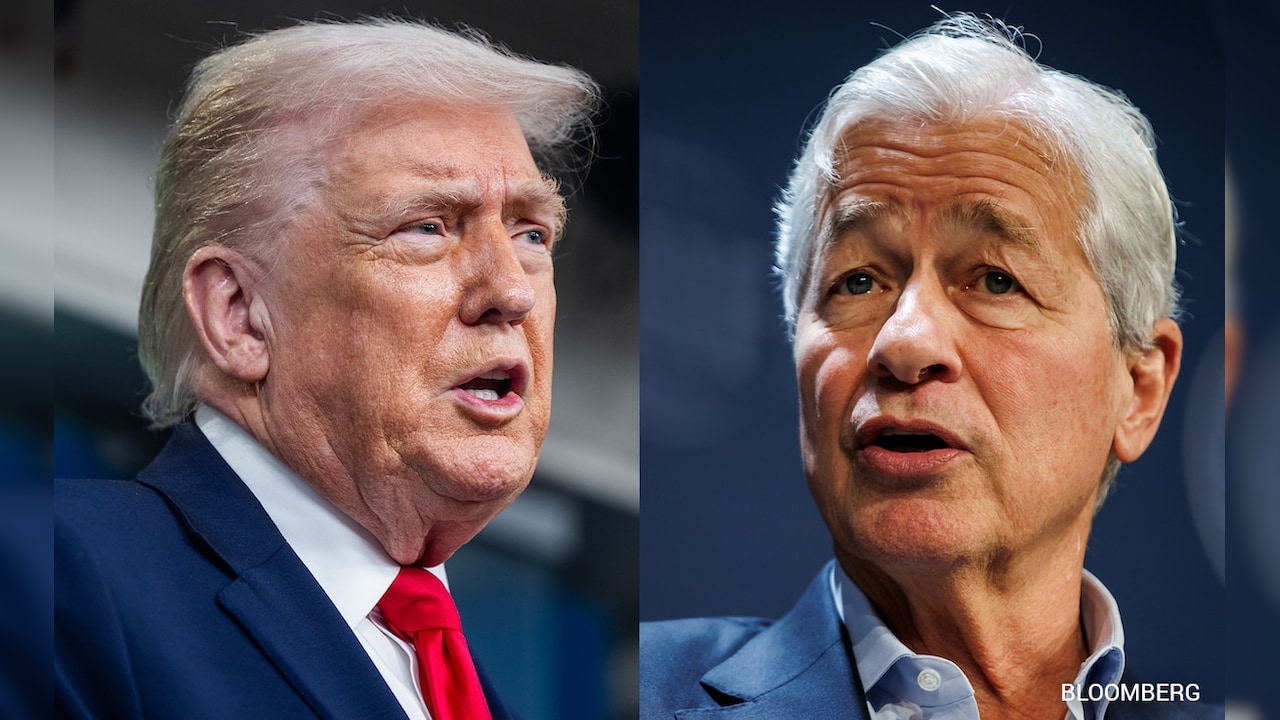
When President Donald Trump fired off a midnight post on Truth Social accusing big oil companies of price gouging and ordering a Department of Justice probe, he tapped into a rage every American driver shares. Crude is dropping like a rock. The pump isn't. Trump demanded the DOJ figure out why, warning that gas prices better start falling a lot faster.
But a federal investigation won't magically lower your fuel bill by Friday. The friction between wholesale crude and retail gasoline is deeply baked into how energy markets function, and a political threat doesn't change the underlying math.
The Reality Behind the Pump Lag
When the US and Iran signed an interim peace deal to wind down the conflict that began in late February, global energy markets breathed a massive sigh of relief. The military conflict and subsequent blockade of the Strait of Hormuz—the vital maritime choke point carrying roughly 20% to 25% of global seaborne oil—had sent Brent crude screaming toward $120 a barrel in May.
Since the peace talks progressed, Brent crude slipped below $76 a barrel, and domestic West Texas Intermediate dipped under $72. That is a massive 23% drop from the wartime peak.
Meanwhile, the national average for regular unleaded sits at roughly $3.93 a gallon. Sure, it is down from the brutal $4.50+ peaks seen in May, but it has only dropped about 14%.
This imbalance is what economists call the rockets and feathers phenomenon.
When geopolitical chaos strikes, pump prices shoot up like a rocket. When crude prices tank, retail prices drift down slowly like a feather. Station owners aren't necessarily running a cartel in a smoke-filled room. Instead, they are playing a defensive financial game.
Think about it from the perspective of a local gas station owner. You bought a batch of fuel last week when wholesale prices were high. If you slash your retail price today just because crude fell on Wall Street, you lose money on every gallon you pump. Retailers delay price cuts to protect their margins and to brace for the next unexpected market spike. Branded stations, which carry the logos of major energy giants, are currently charging around 31 cents more per gallon than independent, unbranded stations. This gap shows that corporate pricing power is keeping retail numbers artificially inflated.
Why a DOJ Probe Faces an Uphill Battle
Ordering the Justice Department to investigate price gouging makes for great political theater, especially with critical midterm elections looming in November. Republicans are desperate to hold their narrow majorities in Congress, and red-hot inflation driven by the four-month Iran conflict has left households reeling.
But legally proving price gouging on a federal level is incredibly difficult.
The US doesn't actually have a federal law explicitly banning price gouging by oil companies. While dozens of states have localized laws triggered during official emergencies, federal antitrust investigators must prove explicit collusion. The DOJ has to find evidence that executives from competing firms actively conspired to fix prices. If ExxonMobil, Chevron, and Shell simply happen to keep their prices high simultaneously because of matching market conditions, that isn't illegal. It is just standard corporate behavior.
The Federal Trade Commission and various Senate committees have tried this before during every major energy crisis, from the 1970s embargoes to the 2022 post-pandemic spike. Those investigations rarely yield massive antitrust convictions. They take months, sometimes years, to compile data. By the time a report is published, the market has usually self-corrected.
The Broader Economic Strikeback
The pain at the pump isn't just an isolated headache for drivers. It has already triggered a broader economic domino effect that won't disappear overnight.
- Shrinking Consumer Sentiment: The surge in fuel costs earlier this year erased billions from household budgets. Moody’s Analytics estimated the energy price spike cost American households roughly $100 billion.
- The Federal Reserve's Next Move: Inflation hit 3.3% recently, keeping the central bank on high alert. The Federal Reserve, under its new chief Kevin Warsh, has already hinted that interest rates might need to climb if energy costs don't cool down rapidly.
- Agricultural Strain: Higher fuel translates directly to surging fertilizer and transport costs. Nearly 60% of US farmers report that their operational finances are actively worsening, directly impacting grocery store prices.
Energy analysts don't expect a return to pre-war fuel prices anytime soon. Experts like GasBuddy's Patrick De Haan note that fully normalizing the supply chain after the Strait of Hormuz disruption will be a multi-month, if not multi-year, process. Pre-war prices below $3.00 a gallon likely won't return until mid-to-late 2027.
Your Immediate Next Steps
You can't control global crude markets or wait around for a DOJ antitrust probe to save you money. If you want to cut down on what you are paying at the pump right now, change how you buy fuel.
First, ditch the branded gas stations. The data proves that major corporate brands are maintaining a steep premium over independent stations. Use tracking apps to locate unbranded local retailers. The fuel inside the underground tanks meets the exact same federal environmental and octane standards.
Second, maximize loyalty stack mapping. Most supermarket chains and independent gas networks allow you to link grocery rewards with fuel discounts. Combining these programs with a dedicated cash-back credit card for fuel purchases can instantly shave 15 to 30 cents off every gallon, completely bypassing the corporate markup.
Stop waiting on Washington to fix the station signs. Take control of your fueling strategy today.