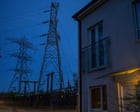
Millions of homes and businesses across Great Britain can now face structured, rolling power cuts with as little as eight hours' notice. Let that sink in.
The National Energy System Operator (NESO) quietly secured approval for massive changes to the country's grid codes. These rules give the system operator the power to disconnect designated blocks of consumers, cutting local electricity demand by over twenty percent to avert total system collapse. For the first time, these emergency outages can be deployed without waiting for the government to invoke formal, cumbersome emergency legislation. For another look, check out: this related article.
If you think this is just standard regulatory housekeeping, you're missing the bigger picture. Our energy network is running on a knife-edge.
Why the Grid Rules Just Changed
We need to talk about why NESO pushed for these new powers. Summers are getting hotter, winters feature erratic drops in wind generation, and the old safety margins are vanishing. During recent heatwaves, control rooms faced terrifying supply squeezes. Air-conditioning loads surged while high temperatures choked thermal and renewable outputs alike. Similar insight regarding this has been shared by Financial Times.
Until now, NESO had two main extremes for handling a crisis. They could trigger old-school voltage reductions or ask massive industrial plants to power down. Or, they had to rely on the government's official Electricity Supply Emergency Code—a sledgehammer of a protocol that requires ministerial sign-off, affects up to ninety percent of the country, and is built for prolonged national crises rather than a short, sharp evening deficit.
The new protocol creates a middle ground. It allows for rolling three-hour blackouts designed to rotate across the country. If a severe supply shortfall hits during a wind drought on a freezing winter evening, the control room can isolate specific zones quickly.
Who Gets Cut and Who Stays On
Nobody wants to think about their lights going out. But knowing how these emergency measures work helps separate panic from reality.
Under the updated guidelines, NESO can order distribution network operators to drop enough load to protect the wider frequency of the national grid. Designated blocks face disconnection for up to three hours at a time.
Crucially, certain infrastructure remains protected. Hospitals, major water treatment facilities, and designated national security sites sit on a protected list. Your local corner shop or residential street won't get that immunity. If your block is chosen for rotation during an extreme shortfall, your appliances stop working.
Whistleblowers recently accused senior management inside the grid operator of trying to downplay blackout risks during summer heat spikes to protect institutional reputations. Whether those specific allegations carry weight, the reality is clear: the system operator is preparing for worst-case scenarios because the physical margins demand it.
What You Should Do Right Now
Sitting around and hoping the grid holds up isn't a strategy. You can take concrete steps to protect your household or small business from the disruption of short-notice outages.
- Audit your reliance on the grid: If you work from home, invest in a reliable Uninterruptible Power Supply (UPS) for your router and computer. A small battery backup keeps your internet alive during a three-hour drop.
- Keep emergency lighting ready: Don't rely solely on smartphone flashlights that drain your primary communication device. Keep battery-powered lanterns or torches in accessible locations.
- Manage thermal comfort: Ensure you have physical layers for winter drops or manual ventilation options for summer heat spikes, keeping in mind that HVAC systems fail instantly when power is cut.
- Stay informed: Watch for network alerts during extreme weather events. When NESO issues early warning capacity notices, adjust your heavy electricity usage away from peak evening hours.
The energy transition is reshaping how power flows through Britain. Until storage capacity and grid flexibility catch up completely, short-notice emergency tools are here to stay.
Prepare your household today, keep your critical gear backed up, and stop assuming the lights will always stay on automatically.