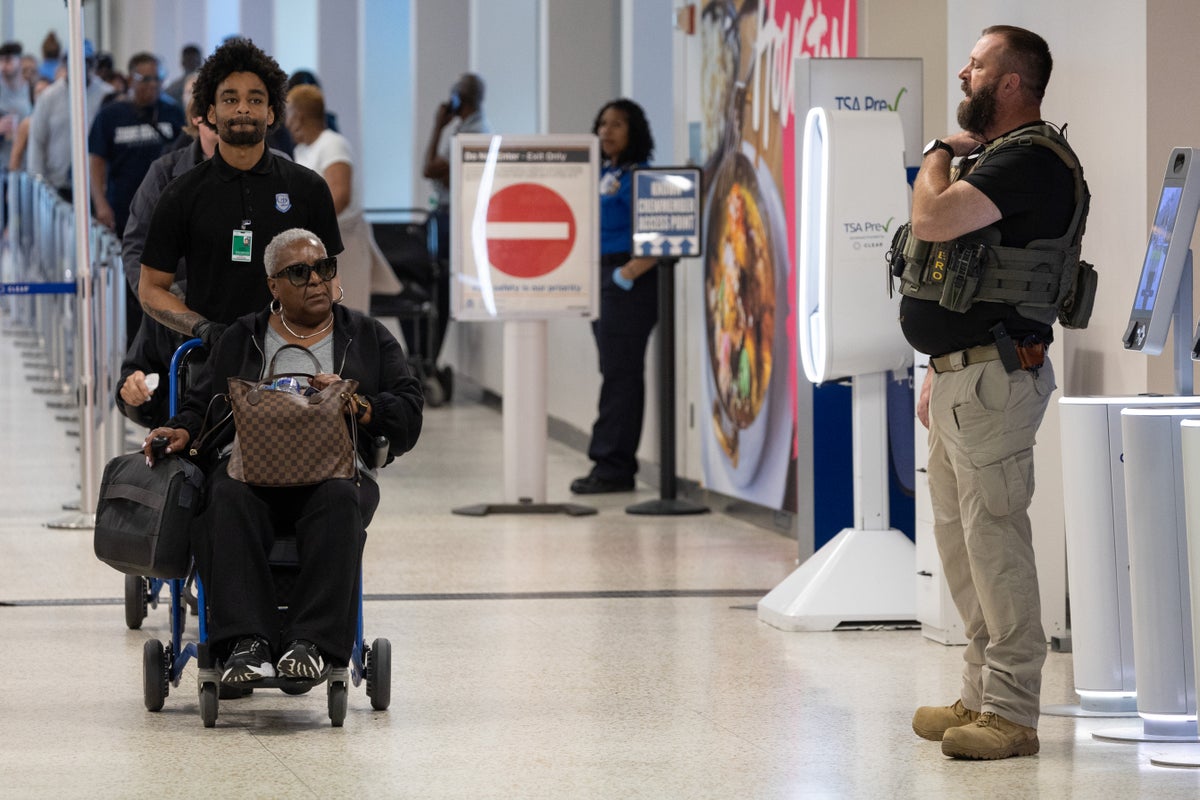
Booking a domestic flight used to feel safe for travelers with complicated immigration histories. That reality is gone. Recent reports and partially released government records confirm that the Transportation Security Administration routinely passes passenger lists directly to Immigration and Customs Enforcement.
If you are wondering why videos of sudden airport detentions keep popping up on your social media feeds, this quiet pipeline is the answer.
How the TSA and ICE Data Pipeline Works
Both agencies operate under the umbrella of the Department of Homeland Security. Because of this shared organizational structure, standard inter-agency privacy hurdles don't apply the same way they might between entirely separate branches of government.
Several times a week, the mechanics play out behind the scenes:
- Passenger manifests containing names, booking details, and photographs are compiled by aviation security.
- Immigration enforcement cross-checks these lists against internal tracking databases.
- Officers deploy directly to boarding gates or baggage claims when a match triggers an alert.
Government officials have pushed back against claims that every single traveler's dossier is blindly dumped into an immigration portal. Instead, leadership describes the process as an internal verification tool. Call it what you want, but the end result is the same. Travelers are walking up to security checkpoints and walking away in handcuffs.
The Shift from National Security to Civil Enforcement
Historically, federal collaboration at airports centered on high-profile threats. We are talking about counterterrorism, major drug trafficking, and human smuggling rings.
Now, the scope has widened dramatically. Civil immigration violations—such as overstaying a valid visa or having an outdated removal order—are landing people in airport detention rooms. Immigration lawyers note that even individuals with pending status applications or active work permits find themselves caught in the crossfire.
Watchdog groups like American Oversight have fought to drag these agreements into the light through public records requests, exposing how opaque the modern transit ecosystem has become. Redacted text boxes litter the released documents, hiding specific operational techniques behind federal exemptions.
What This Means for Travelers
Ignorance is no longer a viable strategy if your legal status is anything less than a full, permanent U.S. citizenship.
Airports are high-surveillance zones. Cameras track your face, scanners log your body, and your ticket links your identity to a national grid. Choosing to fly domestically with uncertain paperwork carries a very real, measurable risk.
If you or someone you know must navigate the skies under these conditions, preparation is mandatory. Keep legal representation on speed dial. Understand that TSA checkpoints are effectively federal checkpoints where local protections vanish. Transparency from agencies remains low, meaning travelers must protect themselves through absolute awareness of how their digital footprint moves across state lines.
The New Airport Risk: ICE Arrests and TSA Data Sharing Explained
This video provides a detailed breakdown of how passenger lists are cross-referenced and the growing legal debates surrounding these high-profile airport apprehensions.
http://googleusercontent.com/youtube_content/1