You are checking your bank account. You see numbers. You think those numbers belong to you. They don't. A sudden banking glitch, an aggressive lawsuit, or a bad economic shift can wipe them out in seconds. Even if you hold onto them tightly until your final breath, death separates you from your assets completely.
An internet-famous Marcus Aurelius quote on wealth tackles this exact illusion. The quote says that the only wealth you will keep forever is the wealth you have given away. It sounds beautiful. It sounds perfectly Stoic.
There is just one major catch. Marcus Aurelius never actually wrote those words.
Misattributing deep philosophy to Roman emperors is a favorite pastime of the digital age. But looking past the fake internet meme uncovers a far more brutal, practical truth about cash, legacy, and what you truly own.
The Real Origin of the Fake Marcus Aurelius Quote on Wealth
The digital world loves clean, packaged wisdom. If a piece of advice sounds wise and ancient, people slap Marcus Aurelius's name on it to get clicks. If you search his private journal, Meditations, you won't find this poetic phrasing anywhere.
The exact sentiment traces back to a different Roman entirely. Plutarch, the ancient biographer, recorded a story about Mark Antony. Facing political ruin and financial collapse, Antony looked at his life and declared that he lost everything except what he had given away.
Seneca the Younger, another giant of Roman thought, expanded on this idea in his essays. Seneca argued that the treasures we hoard often invite bad luck, but the resources we share are safe from the hands of fate. He wrote quite clearly that he possessed whatever he had given to others.
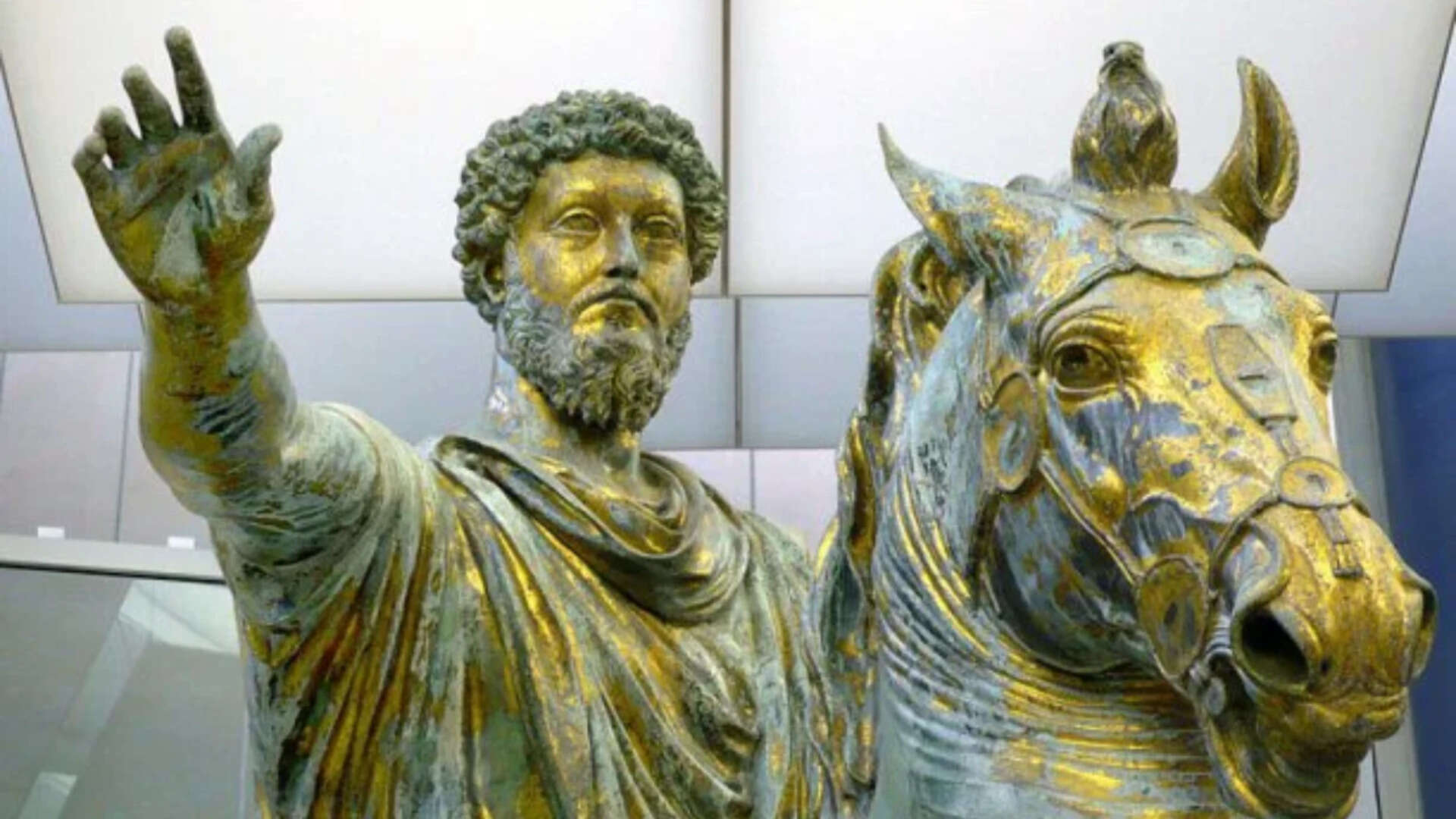
Why does everyone attribute it to Marcus Aurelius? Because he lived the philosophy. As emperor, he ruled the entire Roman world, holding unimaginable riches. Yet he spent his time on grueling military campaigns, sleeping on a simple wool blanket, and constantly reminding himself that physical luxury is meaningless. He didn't just write about detachment; he practiced it while running an empire.
What It Actually Means to Keep What You Give Away
Let's look at the actual mechanics of this idea. How do you keep something by giving it away?
It sounds like a flat-out contradiction. Our culture measures net worth by accumulation. You count your houses, cars, and investment accounts. The Stoics looked at the math of life differently. They classified wealth as an "indifferent". Money isn't inherently good or bad. It has no moral weight on its own. Its value comes entirely from how you choose to direct it.
When you hoard cash out of fear, the cash owns you. You become a prisoner of your own ledger. You worry about inflation, stock market crashes, and tax laws. Your mind gets trapped by external variables.
Giving changes your relationship with your possessions. When you give away a resource to build something meaningful, you assert total control over it. You prove that the money doesn't run your life. You translate a fragile, temporary material object into lasting value.
Think about real-world legacy. We don't remember historical figures because they kept millions in a vault. We remember people who built institutions, supported communities, or helped human progress. Generosity converts a cold currency into social connection, human growth, and personal character. Those are assets nobody can confiscate.
The Core Distinction Between Rich and Wealthy
Let's be completely honest about money. Having zero money sucks. Poverty brings extreme stress and cuts off choices. Stoicism never demands that you throw away every dollar and live in a ditch. That's a common misconception.
The Stoics drew a line between being rich and being wealthy.
Being rich means having a lot of cash. Being wealthy means understanding that your bank account doesn't define your worth. Marcus Aurelius faced intense pressure. He dealt with plagues, economic crises, and wars along the Danube river. He kept his sanity because he knew his real value sat in his actions, not his imperial treasury.
If your self-esteem drops when your investments dip, you aren't wealthy. You are just a temporary custodian of some cash. True wealth means possessing an unshakeable character that survives any financial storm.
Practical Steps to Build Unshakable Wealth
Stop treating charity like an afterthought. Most people wait until they are incredibly rich to give back. They tell themselves they will set up a foundation later. Do it now. Start small. Give your time, your focus, or a tiny percentage of your income to something outside yourself.
Tie your spending to deep personal values. Look at your bank statement from last month. Where did the money go? Did it buy fleeting comfort, or did it fund something that lasts? Shift your capital toward education, community support, and creating genuine value for others.
Practice financial detachment regularly. Pick an object you love and give it to a friend who needs it. Walk past a luxury purchase without buying it, just to prove to yourself that you can. These tiny psychological exercises break the grip that consumerism holds over your brain.
Invest in human relationships instead of just accumulation. The time you spend mentoring a colleague or supporting a family member creates a permanent deposit in their lives. That investment pays dividends long after physical objects turn to dust.
Focus on your character daily. Read books that challenge you. Control your impulses. Face difficult situations with courage. Physical wealth can disappear overnight. Your character stays with you until the very end.