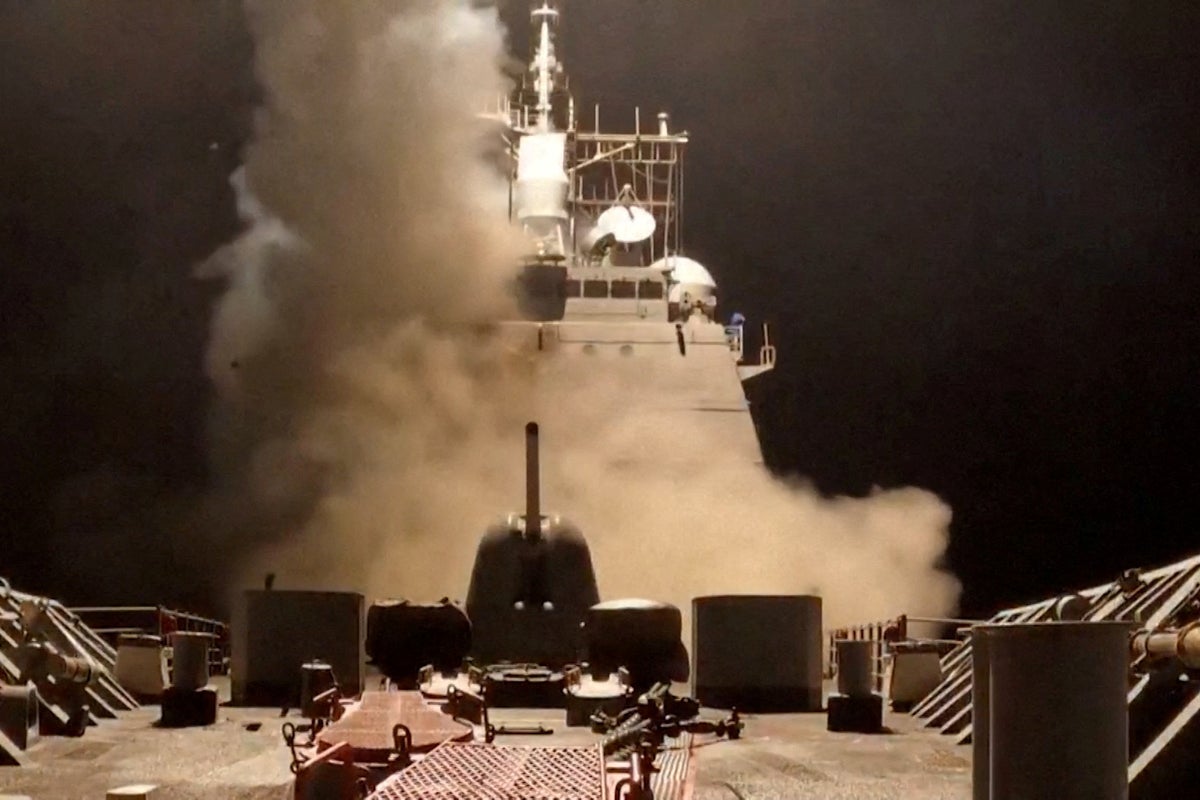
When three Iranian strikes hammered American positions in Jordan in a single week, damaging helicopters and injuring dozens of service members, the official public response was complete silence. The public heard nothing about the wounded troops until after two U.S. Army soldiers died in a separate attack days later.
That gap between what happens on the ground and what gets reported isn't an isolated mistake. It's a calculated policy.
The recent report from The New York Times exposing undisclosed casualties in Jordan highlights a growing crisis of war reporting. The Pentagon insists it isn't hiding anything, pointing to technicalities in casualty definitions and operational security. But for families watching loved ones deploy and citizens trying to evaluate an expanding military conflict, the strategy looks like a deliberate blackout.
Understanding why the Defense Department handles casualty data this way reveals the fragile balance between military secrecy and democratic accountability.
What Actually Happened at the Air Outposts in Jordan
The conflict reached a boiling point when Iranian strikes hit the Muwaffaq Salti Air Base in Jordan. Initial reports focused on the tragic deaths of Pvt. Isabella Gonzales and 1st Lt. Tyler James Feehan, alongside a third service member who went missing.
What wasn't disclosed immediately was the build-up. Over the preceding seven days, three separate Iranian attacks targeted U.S. forces across Jordan. Dozens of personnel suffered injuries, ranging from minor lacerations to traumatic brain injuries, while several aircraft sustained heavy damage.
The military kept these initial attacks off the books. Central Command released no press statements about the casualties or the damage to equipment. Only after independent journalists gathered accounts from officials speaking on condition of anonymity did the scale of the strikes come to light.
This isn't the first time wartime statistics have drifted out of view during this conflict. Early in the military campaign against Iran, defense officials initially reported fewer than a dozen casualties before adjusting figures up past 140 after external inquiries. Over 400 service members have been wounded since hostiles escalated, yet tracking those numbers in real time remains nearly impossible for outside observers.
Operational Security or Political Shielding
Military leadership defends the quiet strategy through a specific operational lens.
Central Command officials argue that publishing immediate details on injured personnel gives enemy forces an unfair advantage. If an Iranian drone crew fires a strike and the Pentagon immediately announces that 15 soldiers were wounded and two helicopters disabled, Tehran gets instant combat assessment data. They learn that their guidance systems worked, their targeting was precise, and the defensive umbrella failed.
By staying quiet, the U.S. military deprives adversaries of battle damage assessments. This logic also extends to target lists. Central Command recently stopped releasing daily counts of sites targeted inside Iran to prevent enemy forces from assessing structural damage.
There is also a administrative distinction in how the Pentagon defines injuries. CENTCOM rules state that officials aren't required to report injuries publicly if the service member receives basic medical attention and quickly returns to duty.
The official Pentagon stance is aggressive regarding these claims. Chief spokesperson Sean Parnell rejected reports of withholding data, calling accusations of concealment fabrications. Parnell pointed to the Defense Casualty Analysis System, an online database that tracks overall aggregate numbers. He noted that military injury data includes everything from minor sprained ankles during training to severe combat trauma, arguing that highlighting raw figures without context creates a misleading narrative.
Parnell noted that recent casualty spikes involved mild concussions, with 96 percent of affected service members returning to active duty.
Yet this official defense overlooks a simple fact. Aggregate databases updated weeks later do not substitute for timely public disclosure when military bases come under sustained fire.
The Pattern of Delayed Disclosures
The situation in Jordan fits a historical pattern of casualty management during foreign engagements.
When military operations drag on, managing public perception becomes as important to planners as managing the battlefield. Broad public support wanes when casualty counts rise steadily. By withholding individual incident reports and releasing only delayed, aggregate figures, defense officials smooth out the political impact of sharp combat spikes.
We saw similar dynamics during previous regional operations:
- Traumatic Brain Injury Classifications: For years across Iraq and Syria, blasts from improvised devices and rockets caused widespread concussions that were initially excluded from public casualty totals because they didn't involve visible bleeding.
- Contractor and Support Casualties: Official tallies frequently omit private military contractors, allied local forces, or support personnel wounded in the same strikes that hit uniform troops.
- Delayed Family Notifications: While military policy requires notifying next of kin before releasing the names of deceased service members—a necessary and humane policy—non-fatal injury disclosures often get caught in administrative backlogs for weeks.
When defense officials hold briefings, operational security is almost always the cited reason. But when information delays consistently hide bad news while successes get immediate press releases, skepticism is natural.
How to Read Defense News Without Getting Misled
When analyzing reports on military conflicts, official press releases rarely tell the whole story. To get an accurate picture of what's happening on the ground, you have to read between the lines and watch for specific indicators.
1. Watch the Terminology
Pay attention to how casualties are categorized. Terms like "returned to duty" can mean a soldier was fully healed, or it can mean they were given basic field medicine and sent right back to a watch post while still recovering from a concussion. Similarly, "minor injuries" often hides traumatic brain injuries that develop long-term symptoms later.
2. Differentiate Immediate Releases from Aggregate Data
The Pentagon's Defense Casualty Analysis System is useful for historical totals, but it is notoriously delayed. If a major strike occurs today, don't expect the public casualty database to reflect it for days or weeks. Rely on field reporters and local reporting networks to gauge immediate impact.
3. Track Equipment Damage as an Indicator
Personnel casualties and equipment damage usually go hand in hand. When reports surface that military helicopters, hangars, or air defense radars were damaged, you can assume personnel were in the immediate blast radius.
4. Look for Anonymous Insider Accounts
Major investigative reporting on military casualties almost always relies on unnamed officials who have direct knowledge of operational logs. When multiple independent sources confirm undisclosed strikes, those accounts are often far closer to reality than initial podium statements.
What Needs to Change Next
Transparency isn't just about satisfying curiosity. It directly impacts how elected representatives oversee military action and how resources are allocated for veterans' medical care.
To prevent critical information from being buried under the label of operational security, clear standards need to be restored:
- Mandatory Reporting Thresholds: Congress should establish strict timeframes for reporting any strike on a U.S. facility that results in structural damage or medical evacuations.
- Independent Oversight of TBI Reporting: Concussions and traumatic brain injuries must be tracked publicly with the same rigor as physical wounds, preventing officials from classifying severe blast trauma as minor incidents.
- Regular Pentagon Press Briefings: Operational security shouldn't mean operational silence. Re-establishing routine, on-the-record press briefings ensures military leadership faces direct questions when discrepancies arise.
The debate over casualty reporting in Jordan proves that keeping the public informed is just as vital as protecting force security. When war information becomes a trickle, trust breaks down—and rebuilding that trust takes much longer than issuing a press release.