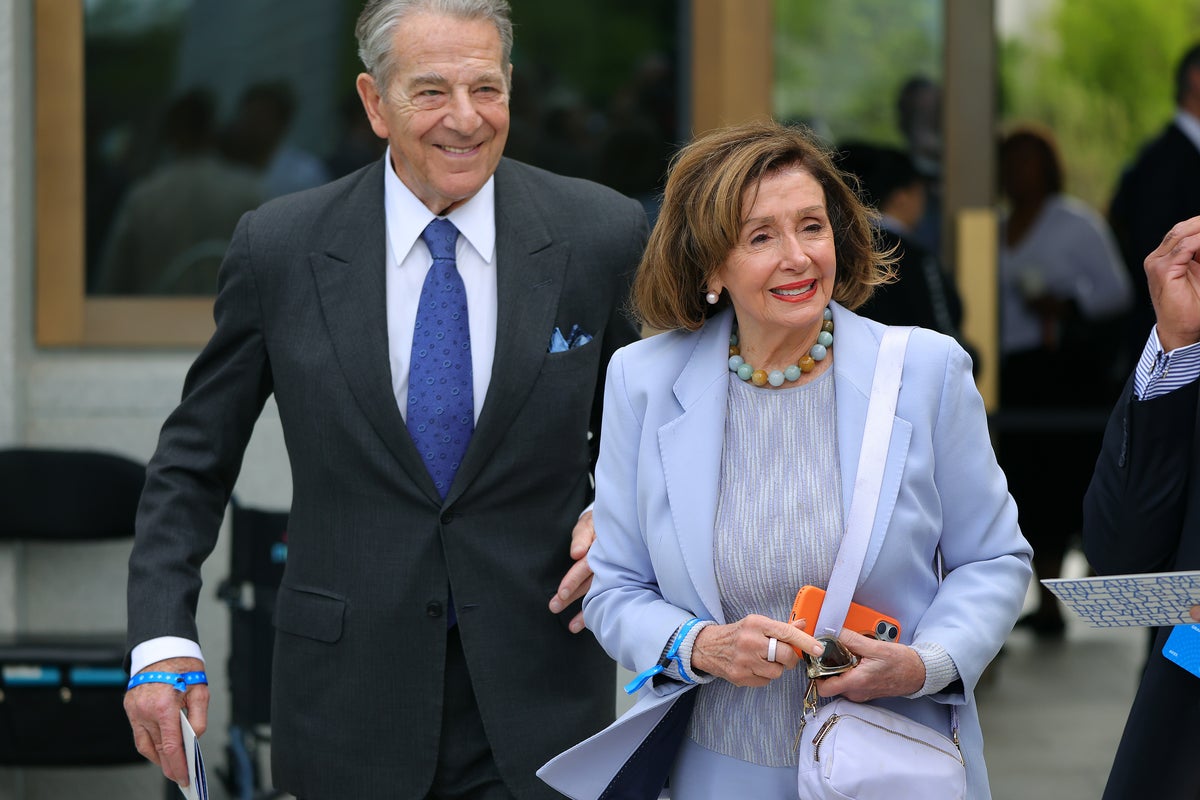
Paul Pelosi is back in the headlines for all the wrong reasons. The 86-year-old husband of former House Speaker Nancy Pelosi found himself at the center of a police investigation after an afternoon drive through California wine country went sideways. A lot of people are instantly flashing back to his previous legal troubles on the road, but looking closely at the details reveals this situation isn't a carbon copy of the past.
Public figures get judged instantly. It's the nature of the beast. When the news broke that Pelosi allegedly sideswiped a car and kept moving, the internet did what it always does—it assumed the absolute worst. But the actual facts of the Friday incident in Yountville paint a much more nuanced, albeit troubling, picture about aging drivers, vehicle mishaps, and the legal reality of minor traffic offenses.
The Yountville incident explained simply
Let's look at what actually went down on Friday afternoon. Around 2:30 p.m. on July 3, 2026, Pelosi was driving a brown convertible down the 6700 block of Yount Street in the small Napa County town of Yountville. It's a picturesque area, usually filled with tourists and locals visiting high-end restaurants.
Pelosi's vehicle drifted and slammed into an unoccupied, legally parked car. The impact wasn't a minor scratch. It caused major rear damage to the parked vehicle, pushing its front tire up onto the curb.
A witness saw the whole thing. According to the Napa County Sheriff's Office, Pelosi briefly stopped his convertible after the impact, but then he pressed the gas and drove away.
He didn't get very far.
Deputies tracked him down roughly a quarter of a mile away on Yountville Cross Road. His convertible was partially blocking the roadway, completely disabled from the front-right impact. A California Highway Patrol vehicle was already parked behind him when sheriff's deputies arrived. When questioned, Pelosi admitted he knew he hit something, but claimed he didn't know what it was. So, he kept driving until his car literally refused to go any further.
Why alcohol wasn't the issue this time
The first question everyone asked was obvious. Was he drinking? Given his history, it's a fair question, but the numbers give a definitive answer.
Authorities tested Pelosi at the scene using a Preliminary Alcohol Screening Device. The result came back as a flat 0.00 percent. Alcohol had absolutely nothing to do with this crash.
That distinction matters immensely for how this case moves through the California legal system. Driving under the influence turns a routine traffic mistake into a serious criminal matter. Fleeing the scene of an accident is still illegal, but doing it completely sober changes the entire legal strategy and the likely outcomes.
Instead of an immediate arrest and a trip to the local jail, deputies allowed Pelosi to leave the scene without handcuffs. Misdemeanor laws in California allow law enforcement to handle non-injury incidents without immediate detention, provided the driver can be identified and isn't actively impaired. The sheriff's department wrapped up their on-scene investigation and sent the paperwork over to the Napa County District Attorney's Office for review.
The shadow of the 2022 DUI conviction
You can't talk about this incident without addressing the elephant in the room. Back in May 2022, Pelosi crashed his Porsche into a Jeep on Highway 29, also in Napa County. That night was a completely different story.
His blood alcohol content measured 0.082 percent, just over the legal limit. He ended up pleading guilty to misdemeanor DUI charges, which triggered a sentence of five days in jail and three years of probation. He served two days, got credit for two others, and handled the final day through a court work program. He paid thousands in fines, attended mandatory classes, and had to use an ignition interlock device.
That probation period has wrapped up, meaning this new hit-and-run won't automatically trigger a probation violation. But prosecutors will absolutely look at his driving record when deciding how to handle the new allegations. A history of vehicular incidents makes authorities much less likely to offer an easy break.
How the California DMV handles older drivers
This crash highlights a massive issue that millions of American families face every year. When is it time to take away the keys from an aging parent or spouse? At 86 years old, reaction times slow down, peripheral vision fades, and judgment behind the wheel can slip.
Saying you knew you hit something but didn't know what it was—and then driving until your car dies—is a massive red flag.
The Napa County Sheriff's Office recognized this immediately. Along with sending the criminal case to the district attorney, they filed a driver re-evaluation referral form with the California Department of Motor Vehicles. This is standard operating procedure for older drivers involved in unexplained accidents.
The DMV process isn't just a slap on the wrist. It forces the driver to go through a rigorous review to prove they're still capable of operating a vehicle safely.
- Medical Evaluation: The driver's doctor must submit a detailed report on their physical and mental health.
- Vision Testing: A strict eye exam ensures the driver can actually see hazards on the road.
- Written and Road Tests: The driver often has to retake the actual driving test to prove their skills haven't deteriorated.
If a driver fails any part of this re-evaluation, or if their medical report shows cognitive decline, the DMV suspends or revokes the license immediately. For Pelosi, this administrative track might actually have a bigger impact on his daily life than the pending misdemeanor charge.
Next steps for the Napa County District Attorney
The ball is now in the court of the Napa County District Attorney. They have to review the sheriff's report and decide whether to officially file the misdemeanor hit-and-run charge.
Because no one was injured, the charge remains firmly in the misdemeanor category. In California, a standard misdemeanor hit-and-run involving only property damage carries a maximum penalty of up to six months in county jail, a fine of up to $1,000, or both.
Realistically, wealthy first-time offenders for property-damage hit-and-runs almost never see the inside of a jail cell. They pay restitution to the victim, cover the damage, pay court fines, and sometimes complete community service.
But Pelosi isn't a normal citizen. The intense media spotlight means the district attorney's office will handle this by the book. Any perceived favoritism would create a political nightmare for local officials. Expect a transparent, meticulous review of the evidence before any formal charges hit the court docket.
If you or an elderly family member find yourselves struggling with parking, drifting out of lanes, or misjudging distances, don't wait for a police report to make the decision for you. Talk to a doctor about a voluntary driving assessment. It beats waiting for your car to break down on the side of a Napa highway.