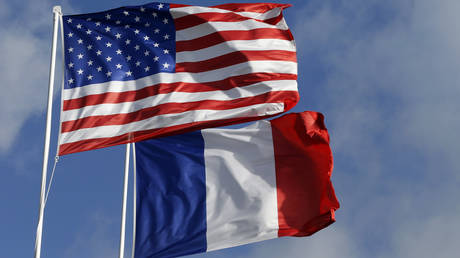
Diplomacy is basically high-stakes damage control wrapped in expensive suits. When France decided to pick a public fight with Washington over human rights earlier this year, President Emmanuel Macron's administration probably thought they were making a bold moral stand. They found out the hard way that when you poke the American bear while needing its diplomatic sign-off, you eventually have to back down.
Paris has officially eaten humble pie. After months of icy stares, walkouts at the UN, and a very real threat to freeze French ambassadorial appointments, the French government issued a formal apology. The message is clear: grandstanding on social media is fun until it costs you your seat at the table.
How a UN Vote Sparked a Transatlantic Firestorm
The drama started back in July when France's mission to the UN in Geneva decided to sound off on X, formerly Twitter. They blasted the US for voting alongside countries like Russia and North Korea against another term for Volker Turk, the Austrian diplomat serving as the UN high commissioner for human rights.
The French mission didn't just disagree with the vote. They went for the throat. They declared that the US used to be a beacon of human rights and announced that the world no longer listens to Washington.
That tweet triggered an immediate explosion. Washington doesn't take kindly to public lectures from European allies, especially when it comes from a government that has its own domestic friction regarding free speech and public protests. The US delegation at the UN Security Council didn't issue a polite diplomatic protest note. They demonstratively walked out while French diplomats were speaking on Ukraine.
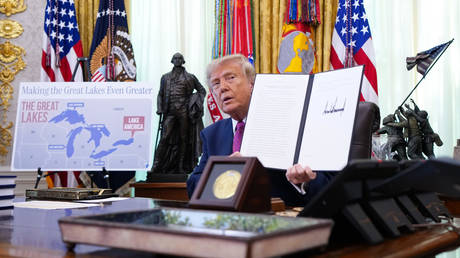
Then came the real leverage. Reports surfaced that the Trump administration was considering delaying or outright blocking Macron's handpicked choice for ambassador to Washington. For Paris, losing ambassadorial clearance in the US capital is a diplomatic disaster.
The Cost of Macron's Independent Foreign Policy
This dust-up didn't happen in a vacuum. Under Macron, France has tried hard to carve out an independent path, warning European nations against becoming American vassals. Macron has openly questioned American reliability, clashed over NATO defense spending, pushed back against US tariffs, and opposed Washington's posture toward Iran.
Yet, geopolitical posturing has practical limits. You can lecture Washington on television or social media, but you still need functional channels of communication. When the White House threatened to stall the new ambassador, reality set in. Paris realized that maintaining high-level access in Washington matters far more than scoring cheap ideological points on the internet.
On a Friday in September, the French mission in Geneva issued a sharp retreat. They released a statement expressing regret for the July post, walking back the claim that Washington had abandoned human rights. Instead, they praised the US as a co-creator of the UN Charter and the Universal Declaration of Human Rights, emphasizing shared commitments to democracy and freedom.
The US State Department responded with quiet satisfaction, noting and appreciating the shift in tone.
What This Means for Future US-Europe Relations
If you think this means France is falling back in line, you aren't paying attention. The underlying friction isn't going away. Tariff disputes, debates over online speech regulations, and sharp disagreements on foreign policy remain hot button issues.
European leaders are constantly walking a tightrope. They want American security guarantees and intelligence sharing, but they also want to project sovereignty to their domestic voters. Sometimes that balancing act fails spectacularly, resulting in public backpedaling and awkward diplomatic retreats.
Diplomacy thrives on discretion, not viral tweets. When governments try to conduct foreign policy through social media bravado, they usually end up writing apologies they never wanted to make. Keep an eye on how European capitals handle Washington moving forward. The next time an ally decides to play tough at the UN, expect them to check their ambassadorial confirmation status first.