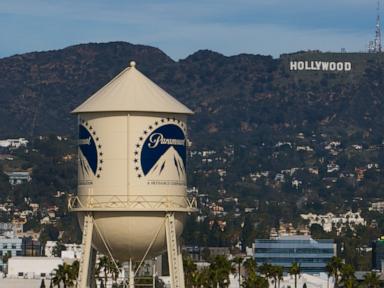
When Paramount Pictures and Warner Bros. Discovery agreed on Friday to delay their $81 billion merger until 2027, headlines across Hollywood framed it as a crushing defeat.
They're looking at it wrong.
Instead of fighting a protracted, messy legal battle over a temporary restraining order, David Ellison's Skydance-backed Paramount chose to hit the pause button. They explicitly promised a federal court they wouldn't finalize the deal until five days after a full trial on the merits or June 1, 2027. On paper, pausing the largest entertainment deal in history looks like a retreat. In reality, it's a calculated legal pivot designed to sidestep procedural traps and force state prosecutors to put up or shut up in a full trial.
If you follow media consolidation, you know that mergers don't die because of trial verdicts—they die because of delays. But this situation breaks the standard playbook. Here is what is really happening behind courtroom doors, why twelve state attorneys general are terrified of this buyout, and what it means for everyone paying for streaming services today.
The Eighty One Billion Dollar Freeze Explained
The whole mess started when a coalition of twelve states, led by California Attorney General Rob Bonta and New York Attorney General Letitia James, filed a massive antitrust lawsuit to block the deal. They argued that putting Warner Bros. Discovery and Paramount under one roof would destroy market competition, hurt industry workers, and drive up prices for regular consumers.
Earlier in the week, U.S. District Judge Araceli Martínez-Olguín granted a temporary restraining order freezing the transaction. She noted that the states raised "serious questions" about whether combining these legacy giants would substantially lessen competition.
Most corporations fight temporary restraining orders with everything they have. They scramble for emergency appeals. They throw legal temper tantrums.
Paramount did the exact opposite.
In a joint filing, Paramount voluntarily agreed to extend the pause well into next year or until June 2027. Company spokespeople actually called the move a win, claiming it gives them a direct path to a trial based on facts rather than emergency motions.
That sounds like classic corporate spin, but there's actual logic behind it. By agreeing to a delay, Paramount effectively bypassed months of preliminary injunction hearings. They took away the states' immediate leverage and demanded a full trial on the actual merits of the case.
Why Twelve States Are Suing To Block The Mega Deal
To understand why California and New York are fighting this deal so aggressively, you have to look at what Hollywood used to be versus what it's turning into.
A decade ago, six major film studios dominated the business. Disney bought 20th Century Fox in 2019, cutting that number down to five. If Paramount eats Warner Bros., five becomes four.
The states aren't just worried about fewer movies in theaters. They're looking at the entire pipeline of modern media distribution.
The Problem With Basic Cable Control
Combining Paramount and Warner Bros. puts an astonishing amount of cable television networks under a single corporate board.
- Paramount brings CBS, MTV, Nickelodeon, Comedy Central, and BET.
- Warner Bros. Discovery brings CNN, TNT, TBS, HGTV, Food Network, and Discovery Channel.
Pay-TV distributors like Charter, Comcast, and DirecTV rely on these channels to retain subscribers. If one giant company controls both CBS and CNN alongside major sports channels, cable distributors lose all negotiating power. When carriage fee disputes happen, consumers get blacked out. When carriage fees go up, subscriber bills jump instantly. State prosecutors know that cable customers—especially older voters who don't rely on streaming—will bear the direct financial burden of this concentration.
The Theatrical Exhibition Threat
Theater owners are quietly panicking about this merger, and for good reason. Movie theaters survive on volume. They need a steady stream of wide-release films to keep multiplexes open, sell popcorn, and cover overhead costs.
When two legacy studios merge, the combined entity rarely releases as many films as the two separate companies did prior to the deal. Executives cut mid-budget movies, shutter smaller production labels, and focus strictly on guaranteed blockbuster franchises.
David Ellison tried to calm these fears by promising that the combined studio would release 30 movies a year in theaters. But state prosecutors rightly pointed out that executive promises are legally meaningless once a deal closes. You can't hold a corporation legally liable three years down the road because they decided to send a movie straight to streaming instead of spending forty million dollars on a theatrical marketing campaign.
The Clash Between Federal Approvals and State Rights
One of the strangest aspects of this legal showdown is the stark contrast between Washington D.C. and state capitals.
The U.S. Department of Justice under the current administration already reviewed the merger and gave it a green light. Federal regulators concluded that the deal wouldn't significantly harm American consumers because the modern media market is dominated by tech giants like Netflix, Amazon Prime Video, and Apple TV+. In the eyes of federal antitrust officials, combining legacy Hollywood studios is the only way traditional media companies can survive against Silicon Valley's bottomless balance sheets.
State attorneys general don't buy that argument for a second.
State antitrust laws allow individual state officers to sue independently of the federal government if they believe their local economies and residents will suffer harm. Rob Bonta in California and Letitia James in New York represent the two biggest production hubs in the nation. They care about local union jobs, film crew employment, theater chains in local strip malls, and regional consumer costs.
This split creates a fascinating legal showdown. Paramount holds federal approval in one hand, while facing a wall of state lawsuits in the other.
Regulatory Stance Breakdown:
- Federal DOJ: Approved (Views tech giants as main competition)
- European Union: Expected approval with minor concessions
- UK Regulators: Considering public interest intervention
- 12 US States: Active lawsuit to block entire acquisition
The Financial Clock Ticking Behind The Scenes
While lawyers prepare for a high-stakes trial in federal court, corporate accountants are looking at a terrifying financial timeline.
Mergers of this size run on borrowed money and strict time limits. Paramount didn't just decide to delay out of the goodness of its heart—it had to calculate whether its financing structure could survive a prolonged wait.
Under the terms of the original buyout agreement, Paramount faces massive financial penalties if the transaction isn't completed in a timely manner. Starting in October, Paramount owes $650 million every quarter to Warner Bros. Discovery shareholders until the deal officially closes.
Think about that number for a second. That is over $2.1 billion a year just in delay fees.
If the legal process drags out through mid-2027 as the current agreement allows, Paramount will throw away billions of dollars before they even own a single Warner Bros. asset. That financial pressure works heavily in favor of the states. State prosecutors don't necessarily have to win the lawsuit on its merits; they just need to drag out the trial long enough that Paramount's financial backers lose patience or the cost of delay wipes out the deal's economic value.
How This Impacts Streaming Services Right Now
If you pay monthly subscriptions for Max, Paramount+, or cable television, you might wonder what this legal hold means for your daily entertainment.
In the short term, nothing changes. The court ordered both Paramount and Warner Bros. Discovery to continue operating as completely separate, competing businesses while the lawsuit proceeds.
That means:
- Max and Paramount+ won't merge into a single app anytime soon.
- Content licensing deals between the two companies remain separate.
- CNN and CBS News will continue operating independent newsrooms.
- Subscription prices will be dictated by individual corporate budgets rather than unified mega-studio pricing.
However, the prolonged delay creates a massive holding pattern for creative decisions. Warner Bros. Discovery CEO David Zaslav and Paramount chief David Ellison can't easily greenlight massive multi-year projects that depend on combined resources. Executive talent is left in limbo, unsure of who will actually be running the studio two years from now.
In Hollywood, uncertainty breeds stagnation. While these two legacy companies spend hundreds of millions of dollars on legal fees and quarterly delay penalties, tech-backed competitors like Netflix and Amazon will keep spending heavily on original content without any legal distractions.
Practical Action Items For Investors and Media Executives
If you hold stock in Paramount Global, Warner Bros. Discovery, or work within the entertainment industry, you need a realistic strategy to navigate this extended delay.
Monitor The August Court Filings
Keep a close eye on upcoming procedural hearings and court filings following the judge's order. Watch whether the judge pushes for an accelerated trial date in late 2026 or allows pre-trial discovery to drag into 2027. An earlier trial date favors Paramount; a delayed schedule favors the state attorneys general.
Track Paramount Capital Reserves
Look closely at Paramount's earnings reports and cash reserves heading into October. Assess whether the company can comfortably handle the $650 million quarterly payments without taking on high-interest debt that damages its overall credit standing.
Hedge Entertainment Exposure
If you're an investor exposed heavily to traditional media, evaluate your portfolio balance. Legacy media companies tied up in multi-year antitrust litigation face severe structural headwinds compared to pure-play tech streamers who don't face the same cable-bundle regulatory scrutiny.
Audit Content Distribution Agreements
For industry creators and distributors, don't write contracts assuming a merged Paramount-Warner entity. Keep licensing agreements flexible, insist on clear short-term buyout clauses, and avoid locking intellectual property into long-term exclusivity deals with either studio until legal clarity emerges.
Paramount's decision to accept a long delay isn't a sign that this deal is dead, but it proves the fight is going to be far dirtier and much longer than executives originally promised their shareholders. The battle over who controls Hollywood has barely begun.