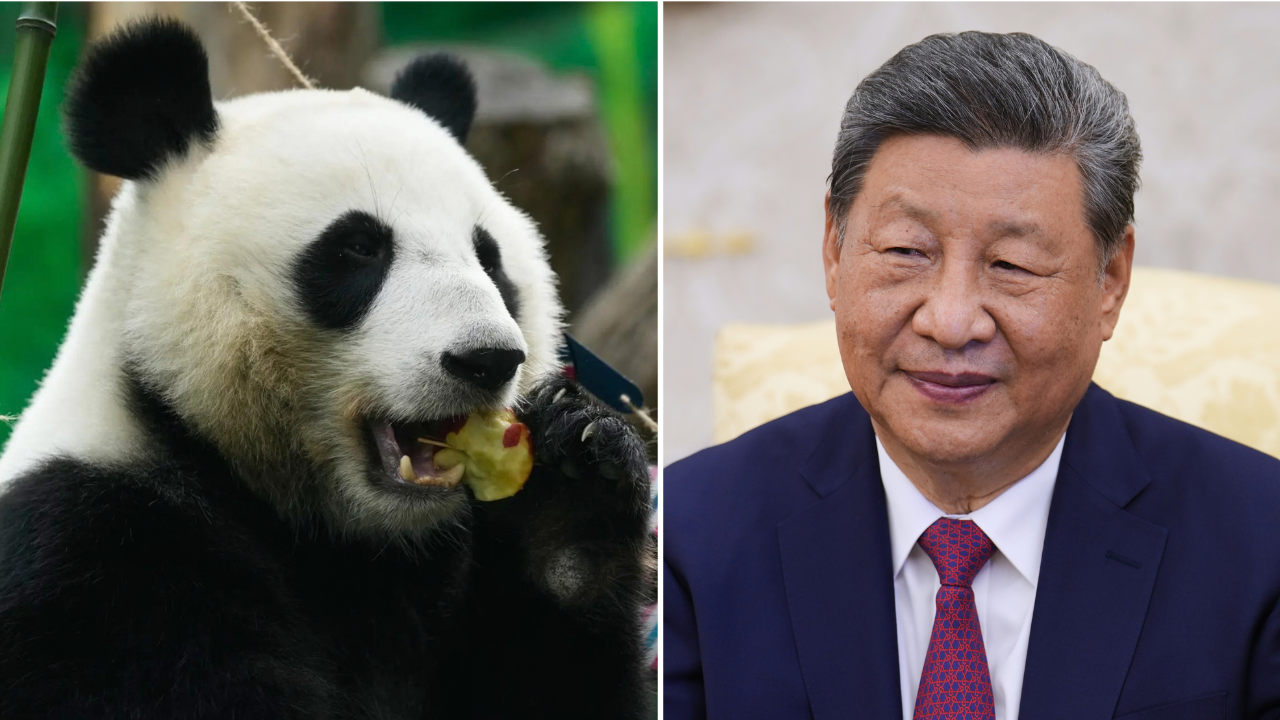
You've probably noticed that soft power rarely looks soft. It usually arrives wrapped in black and white fur, chewing on bamboo while millions of people watch on livestreams. When leaders want to mend frayed ties or signal a thaw in icy international relations, they don't send diplomats. They send pandas.
The announcement that Beijing is sending two giant pandas to the Atlanta Zoo isn't just a win for wildlife enthusiasts in Georgia. It's a calculated diplomatic signal. China's leadership knows exactly what they're doing. They're reviving a decades-old tradition right when relations with Washington need a cultural anchor. If you think this is just about cute animals, you're missing the entire game.
The Real Strategy Behind Panda Diplomacy
Let's look at how this actually works behind closed doors. You can't just buy a giant panda. You can't adopt one from a shelter. Every single giant panda on Earth belongs to China. When foreign zoos host them, they aren't getting a permanent gift. They're entering into expensive, highly restrictive breeding and research loan agreements.
Xi Jinping's announcement regarding the Atlanta Zoo follows a familiar script. Over the last couple of years, we watched a wave of pandas leave US institutions like the Smithsonian's National Zoo in Washington, D.C., as older loan agreements expired. People panicked. Headlines screamed about the end of panda diplomacy.
They were wrong.
Zoological partnerships are built on flexibility. When geopolitical tensions run hot, loan agreements stall. When leaders want to cool things down, announcements happen. Atlanta gets its new bears, tourism gets a massive spike, and diplomats get a talking point that doesn't involve tariffs or security pacts. It's brilliant. It works because humans are hardwired to care about baby animals more than geopolitical posturing.
What Happens When Pandas Leave And Return
I've talked to zoo administrators who deal with these programs firsthand. Managing a panda habitat isn't like keeping lions or bears. The operational costs are astronomical. You have to import specific varieties of fresh bamboo daily, sometimes flying it in from distant states to ensure the animals won't starve or reject their food.
When pandas returned to China en masse recently, critics claimed it was a direct snub. They read too much into routine contract expirations. Zoos plan these timelines years in advance. The return of aging pandas to their birthplace for retirement is standard procedure.
Now, the pendulum swings back. New pandas mean fresh energy, renewed corporate sponsorships, and massive ticket sales for the Atlanta Zoo. It also resets the clock on a relationship that has seen plenty of friction.
Why Zoos Matter More Than Ever
You might wonder why modern conservation still relies on these high-profile animal swaps. Critics often argue that millions spent on panda enclosures could go directly to habitat preservation in the wild. That sounds good on paper, but it ignores human psychology.
People protect what they love. A kid standing in front of a giant panda in Atlanta is far more likely to care about bamboo forests in Sichuan than someone reading a textbook. The enclosure becomes a classroom.
Funding generated by these charismatic mammals flows directly back into field research, anti-poaching units, and reserve management in China. Wild panda populations have rebounded enough in recent years to change their status from endangered to vulnerable. That success story doesn't happen without the global spotlight that zoo exhibits provide.
Reading Between the Bamboo Shoots
Pay close attention to who gets the animals and when. These decisions are never accidental. Selecting Atlanta sends a specific message about regional partnerships, cultural exchange, and institutional trust between Chinese and American wildlife organizations.
You're watching living proof that diplomacy doesn't always happen in conference rooms with bad lighting and stale coffee. Sometimes it happens in a climate-controlled habitat while a two-hundred-pound bear ignores the crowd and naps on a wooden platform.
Book your tickets early. The crowds will be massive. And the next time a political analyst tells you international relations are entirely about military might and economic leverage, remind them about the pandas.
Plan your visit to the Atlanta Zoo website to check for upcoming arrival dates and ticket reservations so you're ready when the new arrivals make their public debut.