The headlines are buzzing about Pakistan asking the United States for a 10 billion dollar financial cushion. It sounds like a massive payday. But if you look past the noise, you’ll see it’s actually a desperate attempt to fix a broken credit reputation.
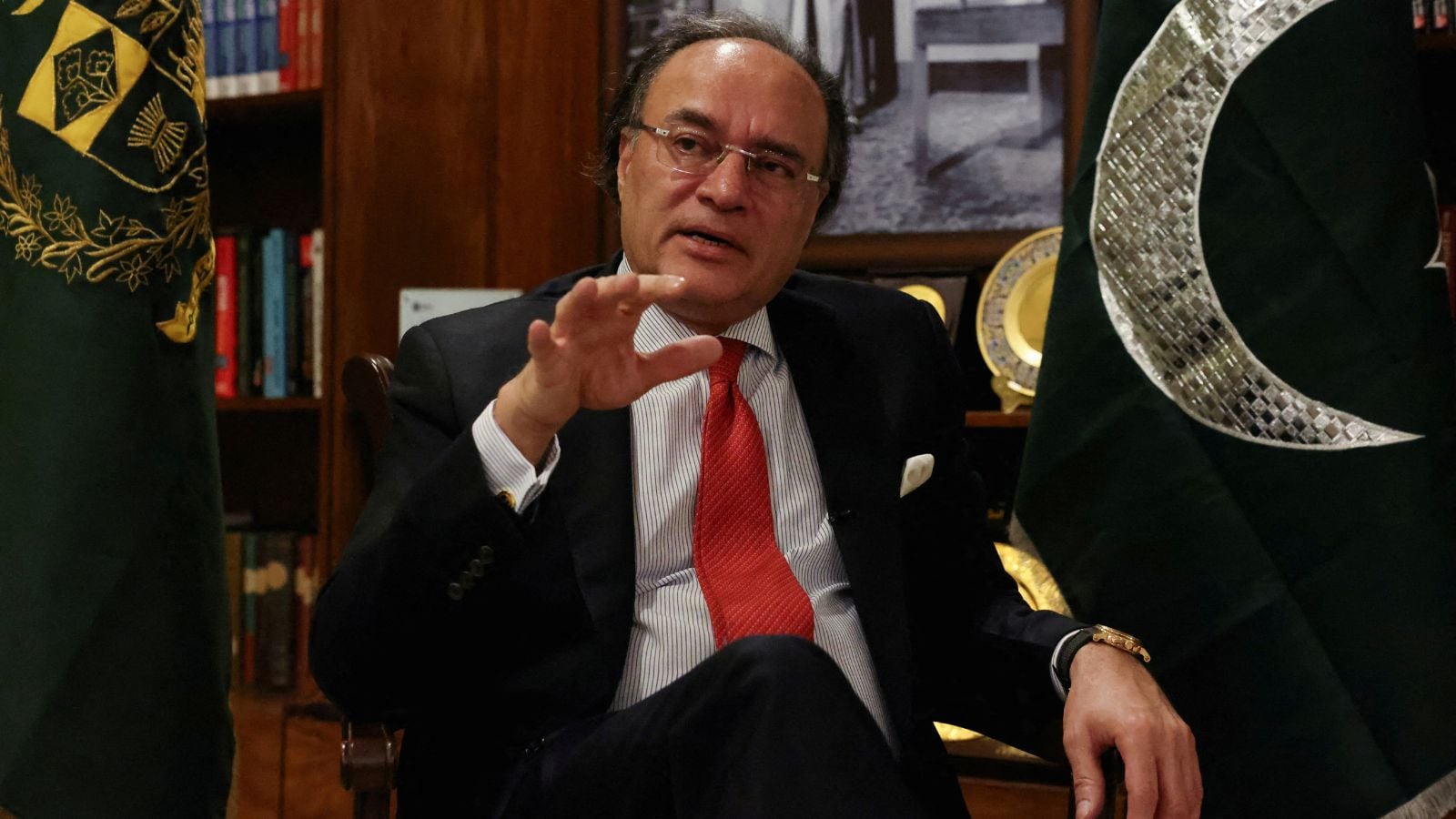
Finance Minister Muhammad Aurangzeb hasn’t just been asking for a blank check. He’s pushing for an Exchange Stabilisation Support Facility. The goal? To stop the bleeding of foreign exchange reserves and—more importantly—to convince global investors that the country isn’t a lost cause.
The problem with the status quo
For years, Pakistan’s economic strategy has been simple: borrow from one friend to pay off another. It’s a vicious cycle of rollovers and short-term debt. This isn’t sustainable. Everyone knows it. The markets hate this kind of instability because it makes pricing risk impossible.
When you’re constantly one missed payment away from a sovereign default, you can’t get reasonable interest rates. You’re essentially forced to beg for bailouts from the International Monetary Fund (IMF) or lean on bilateral partners who are tired of the constant requests.
The proposed 10 billion dollar facility is meant to be a signal. It’s not just about having cash in the vault. It’s about the authority behind the cash. If the US Treasury gets involved, it suggests that the country has a stamp of approval from the most influential financial player on the planet. That’s the "road-to-market" strategy Aurangzeb is talking about. It’s a play to improve sovereign credit ratings so the country can finally issue bonds at normal rates instead of predatory ones.
Why this time feels different
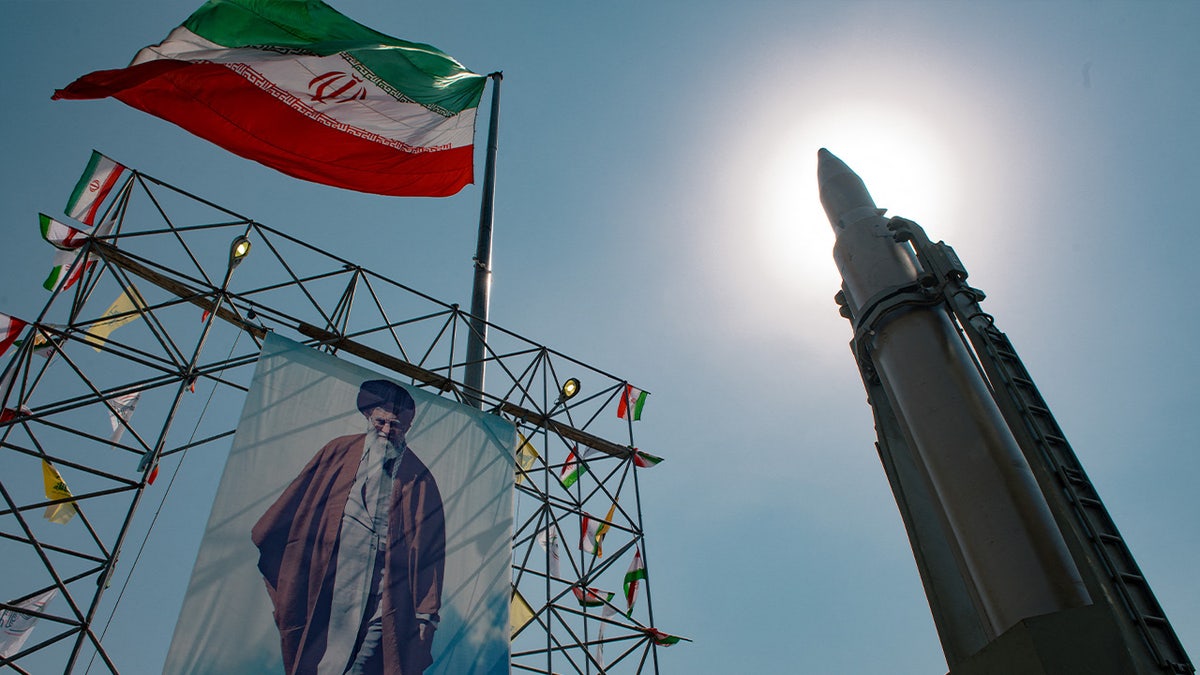
You might ask why the US would even consider this. The diplomatic landscape has shifted. Recent reports suggest Islamabad played a role in mediating tensions during the Iran conflict. In the world of high-stakes global politics, favors are often returned in economic currency.
Washington isn't just handing out money for charity. They’re looking at the regional chessboard. If Pakistan collapses, the shockwaves are bad for everyone. By providing a stabilization facility, the US gains leverage and stability in a volatile region without necessarily committing to a permanent, never-ending bailout.
What happens if the deal fails
Let's be real. There’s no guarantee this goes through. If the request is denied, Pakistan is back to square one. They’ll remain stuck in the $7 billion IMF program agreed upon in 2024, continuing the painful grind of tax hikes and spending cuts.
Investors are watching. If the deal hits a wall, the rupee could face renewed pressure. If you’re looking at this from an investment perspective, keep a close eye on the sovereign credit ratings. The finance minister has his sights set on a B+ rating. Without this facility, that target is effectively a pipe dream.
Moving beyond the cycle
The real takeaway here isn't the total amount. It’s the shift in philosophy. Aurangzeb is trying to move away from the "emergency loan" culture. Whether he succeeds or not, the message is clear: the country knows that its current model of relying on short-term rollovers is essentially a slow-motion car crash.
If you’re tracking the economy, ignore the "will they get the money" gossip for a second. Look at whether they can actually lower their borrowing costs over the next two years. That’s the only metric that matters. If they can’t access international capital markets on their own terms, another 10 billion won't save them.
The next few weeks will be telling. We should expect feedback from the US Treasury or the Exim Bank by the end of September. Until then, it’s all posturing and hopeful projections. Watch the bond markets; they don’t care about political promises. They care about cold, hard liquidity.
Pakistan seeks 10 billion US facility
This video provides an overview of the economic context behind Pakistan's request for the 10 billion dollar facility.