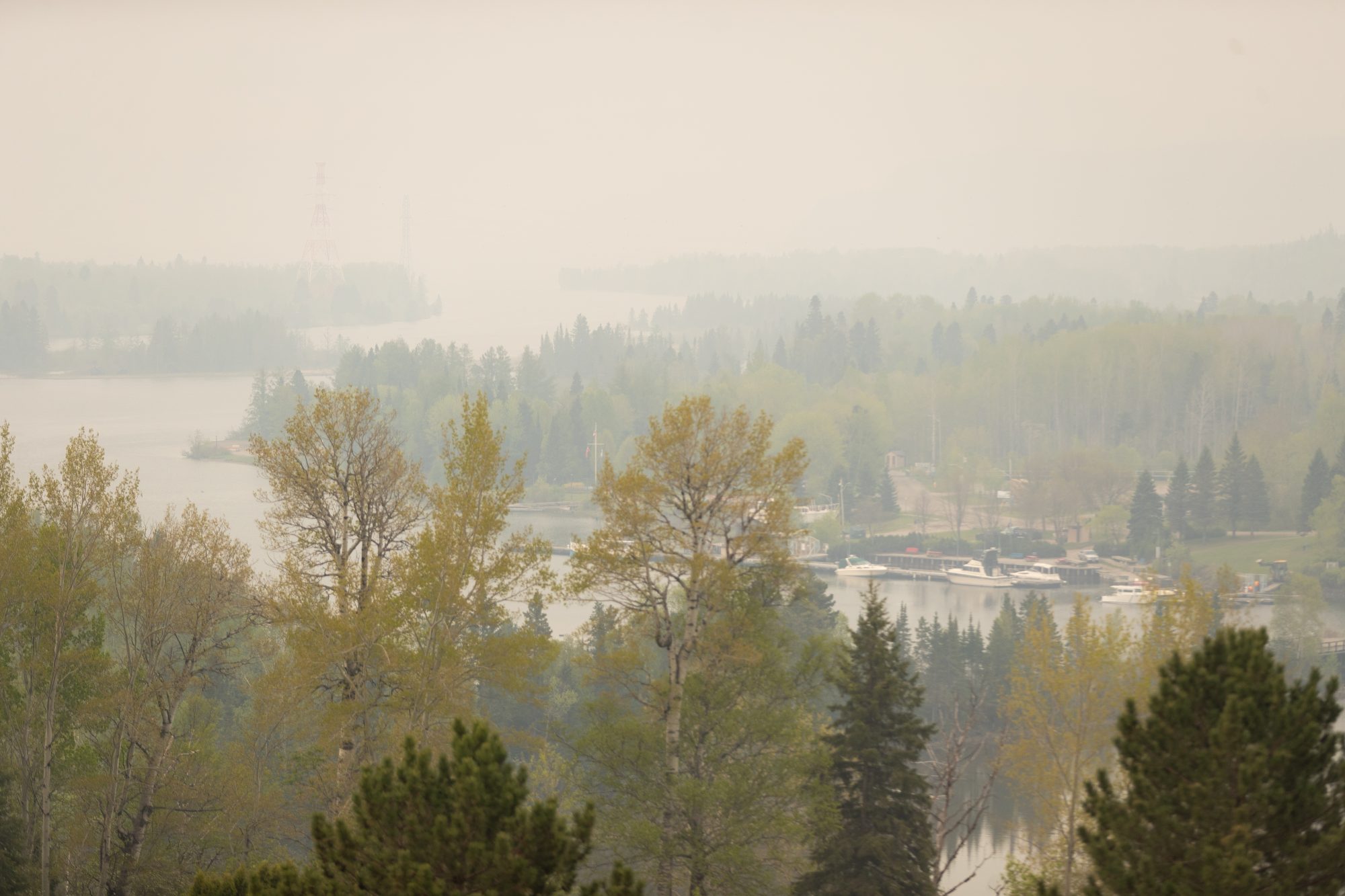
You can't fight a towering wall of boreal forest fire with good intentions and temporary band-aids. Yet, that is exactly what Ontario expects its wildland crews to do every summer.
While the skies turn orange and smoke drifts across the continent, the people standing on the front lines are burning out. The core issue isn't a lack of passion. It's a complete failure by the province to treat wildland firefighting as a legitimate, professional career path. Instead, decades of neglect have turned a highly specialized public safety role into a glorified summer job, leaving the province dangerously short-staffed when the fire season peaks.
Internal documents and union warnings reveal a crisis that was completely preventable. If Ontario wants to keep its communities safe, it has to stop relying on seasonal student labor and start paying a living wage to the people who breathe in toxic smoke to save our forests.
The True Cost of Cheap Labor on the Fire Line
For years, the provincial government treated wildland firefighting as a transient gig for university students looking for summer tuition cash. That model is officially broken. As fire seasons grow longer, hotter, and vastly more unpredictable, relying on a revolving door of inexperienced rookies is a massive safety hazard.
Internal government reports dating back to 2015 explicitly warned that Ontario's fire rangers were quitting at an alarming rate. The reason? The pay simply didn't keep up with inflation or private-sector alternatives. When you can earn a similar hourly wage working a low-stress job in retail or hospitality, spending weeks sleeping in a tent in the dense bush without a shower loses its appeal.
Consider the raw math behind the job. Starting pay for these crews sits around $25 an hour. For an entry-level position, that might sound passable on paper. But consider what that money buys:
- Extreme physical exertion hauling heavy pumps and hoses through muskeg.
- Prolonged exposure to intense heat and un-filtered, carcinogenic wood smoke.
- Weeks of complete isolation from family, working grueling 19-day stretches on the fire line.
- Zero income security during the winter months when the contracts wrap up.
Even experienced crew leaders, who possess years of critical situational awareness, struggle to clear much more than $45,000 a year without burning themselves out on mandatory overtime. The provincial government essentially created a system that incentivizes its best people to leave.
Why a Five Thousand Dollar Bonus Misses the Point
Faced with a mounting retention crisis and an understaffed workforce, the Ford government introduced a one-time attraction and retention incentive payment of up to $5,000 for front-line staff.
"It's a band-aid response to a structural hemorrhage."
✨ Don't miss: the advocate: a missing
While a few extra thousand dollars helps cover immediate bills, it fails to solve the systemic instability built into the program. A one-time bonus doesn't secure a mortgage. It doesn't provide year-round health benefits or a stable career progression. Crew members see right through it. They know it's a temporary patch to keep boots on the ground for a single season, rather than a meaningful investment in their futures.
The province also committed to creating roughly 100 permanent, year-round positions to establish a better career path. It's a step in the right direction, but it barely scratches the surface. When you are chronically short of the hundreds of qualified personnel required to field full crews across northern bases, adding a handful of full-time roles feels like trying to put out a crown fire with a garden hose.
The Reclassification Fight
If you look at the provincial payroll, Ontario forest firefighters aren't even classified as firefighters. They are designated as "resource technicians."
This isn't just a matter of semantics. It dictates their entire compensation structure, benefits package, and long-term health protections. The Ontario Public Service Employees Union (OPSEU) has pushed hard for an official job reclassification.
Municipal structural firefighters receive significant structural support, robust mental health resources, and presumptive WSIB coverage for specific cancers linked to smoke inhalation. Wildland crews face the exact same toxic air for weeks at a time, yet their seasonal, "technician" status keeps them locked out of those critical protections. Reclassifying the role to explicitly acknowledge the hazard is the only way to build a sustainable workforce. Without it, recruitment will continue to crater.
What Needs to Happen Next
Fixing Ontario's wildland fire program requires moving past short-term crisis management. If the province wants to protect its northern communities and critical infrastructure, the Ministry of Natural Resources and Forestry must implement permanent fixes:
- Abolish seasonal status for core crews: Transition the bulk of the firefighting force from short-term summer contracts to permanent, year-round public safety roles.
- Match municipal pay scales: Adjust base compensation to reflect the dangerous, specialized nature of the work, ensuring wages remain competitive with inflation and municipal fire services.
- Provide comprehensive health tracking: Implement long-term medical monitoring and presumptive cancer coverage for wildland crews exposed to heavy seasonal smoke.
- Formalize the professional title: Officially reclassify the position from resource technician to wildland firefighter to unlock proper civil service benefits and salary bands.