Trade wars rarely stay confined to paper. When economic pressure mounts, real physical commodities become the ultimate weapon.
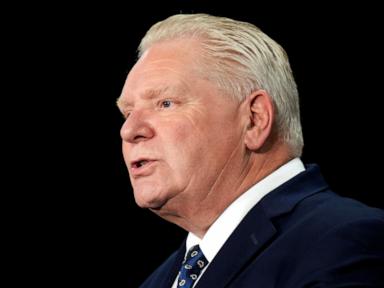
Ontario Premier Doug Ford made headlines by stating that Canada must prepare to cut off electricity and critical minerals shipments to the United States. As trade negotiations collapse and aggressive tariffs target cross-border manufacturing, the rhetoric between Ottawa and Washington has reached a boiling point.
If you think this is just political bluster, look closer at the supply chains binding the two nations together. The stakes involve millions of homes, critical defense manufacturing lines, and the backbone of North American automotive production.
The Power Grid and Critical Minerals as Leverage
Ontario isn't bluffing about energy. The province supplies electricity to roughly 1.5 million homes and businesses across parts of the United States. During previous trade disputes, Ontario slapped surcharges on power exports to states like Michigan, Minnesota, and New York.
Now, the threats go much further. Ford stated that everything remains on the table, including completely halting power transmission and withholding vital resources like high-grade nickel and refined uranium.
The United States relies heavily on these Canadian imports. The Pentagon depends on secure North American supply chains for minerals used in defense electronics, missiles, and aerospace manufacturing to reduce dependence on overseas processing dominance. Cutting off these materials creates an immediate bottleneck for U.S. industrial output.
The Auto Sector Caught in the Crossfire
Manufacturing integration across the border runs deep. Vehicles and parts cross the Detroit River and other checkpoints multiple times before final assembly. Major automakers operate massive facilities in Ontario that depend entirely on friction-free logistics with Michigan, Ohio, and beyond.
When new 50% tariffs hit Canadian automotive goods, the economic shockwaves are immediate. Ford accused the Trump administration of attempting to hollow out Canadian industry and turn the country into a dependent economic vassal.
Carrying out these retaliatory measures won't be painless for Canadians. Economic friction cuts both ways. Yet, political leaders note that public sentiment north of the border has reached a fever pitch, with populations willing to absorb short-term economic pain rather than capitulate to heavy-handed trade demands.
What Happens Next in the Trade Dispute
Prime Minister Mark Carney walked away from recent trade talks after Washington demanded sweeping concessions. Dollar-for-dollar retaliation followed swiftly.
Expect supply chain managers across industrial sectors to scramble for alternative sourcing. Businesses cannot operate under permanent volatility. Companies heavily reliant on cross-border inputs are already redesigning contingency plans.
Monitor regional energy pricing and export licenses closely over the coming weeks. The transition from diplomatic friction to physical commodity restrictions changes the compliance reality for North American manufacturers overnight. Adjust your risk models now before energy surcharges or export bans hit your bottom line.