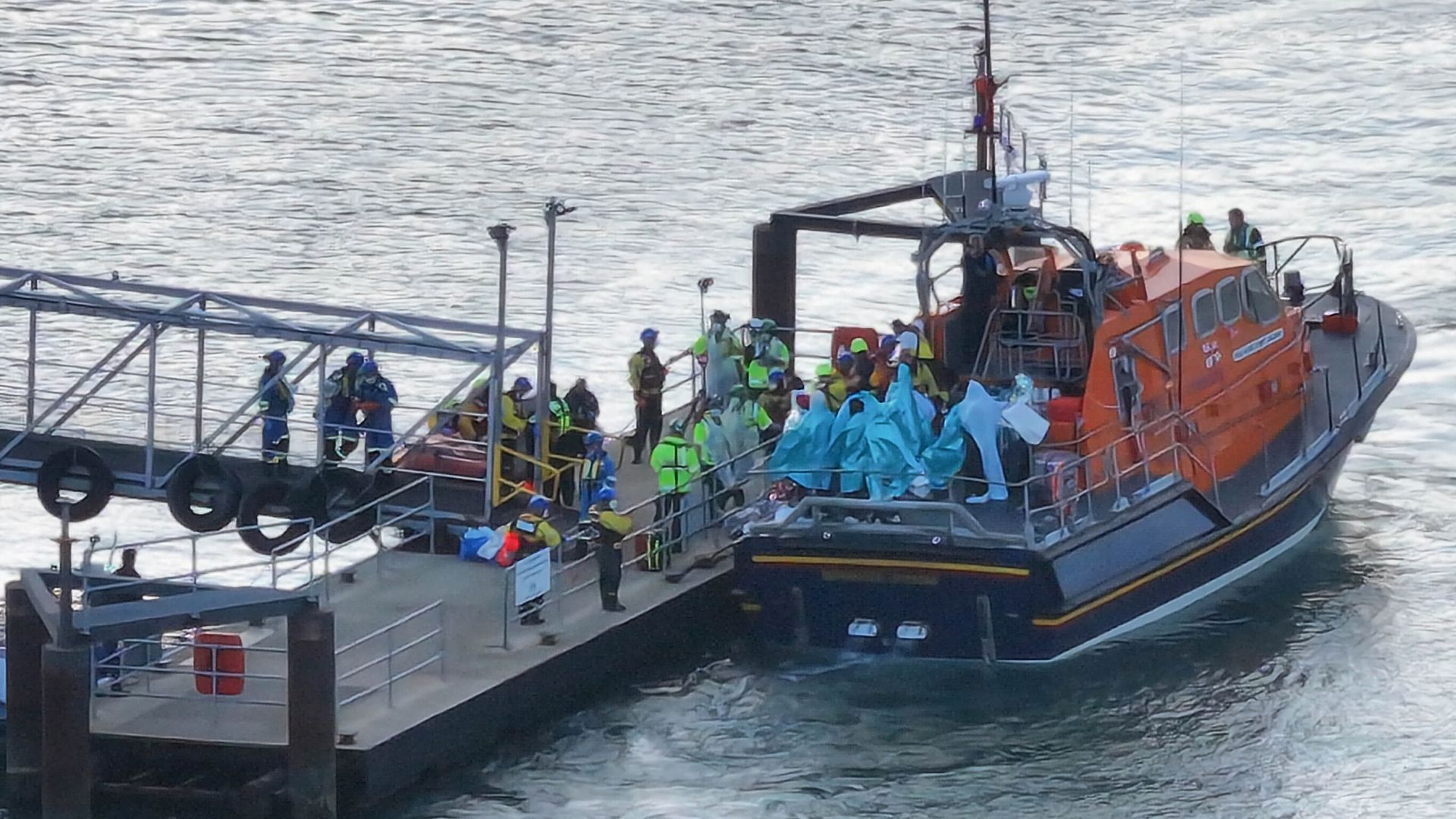
Smugglers are changing tactics. When a single dinghy carrying roughly 140 migrants was intercepted heading toward the Hampshire coast, it wasn't just another routine interception. It signaled a dangerous shift in how human traffickers operate across the English Channel.
Instead of launching multiple smaller vessels from standard departure points near Calais, criminal networks are packing dangerously high numbers of people into individual boats and launching them from locations much further away, such as Normandy. This specific vessel spent roughly ten hours at sea, escorted part of the way by French rescue boats, before being met by the Maritime and Coastguard Agency, lifeboats, and Border Force assets near the Isle of Wight. For an alternative look, see: this related article.
Why does this single incident matter so much for the broader security picture? Let's break down what's actually happening on the water and why it's sparking massive political and social fallout across the UK.
The Evolution of Channel Smuggling Tactics
You've probably heard the regular government updates claiming that small-boat arrivals have dropped compared to previous years. Officials frequently point to joint enforcement actions that have blocked thousands of crossing attempts and seized hundreds of boats and engines. Similar coverage on this matter has been published by Associated Press.
Yet, traffickers adapt quickly when pressure mounts. When law enforcement cracks down on standard routes, criminals maximize profits and minimize trip counts by overcrowding vessels. We've seen instances where single boats carried over 200 people. Packing 140 people into one rubber dinghy turns a perilous maritime journey into an absolute catastrophe waiting to happen.
The physical strain on these vessels is immense. A dinghy overloaded to that degree sits dangerously low in the water, making it extremely vulnerable to changing weather conditions and wake from larger commercial ships. When French authorities or UK lifeboats have to step in, they aren't just rescuing people—they're managing a massive logistical emergency on open water.
Why Portsmouth Became the New Flashpoint
Normally, small boats intercepted in the Channel are brought ashore in Kent, primarily around Dover or Ramsgate, where established processing infrastructure like the Manston facility handles new arrivals.
Bringing 140 migrants directly into Portsmouth broke the usual script. Because the vessel headed toward the Hampshire coast, emergency responders had to redirect operations to Eastney Landing. That shift caught local law enforcement flat-footed and created an immediate security vacuum on land.
Within hours of the boat's arrival, hundreds of protesters descended on the area. The demonstration quickly turned volatile. Masked groups and activists tried to block coaches designated to transport the asylum seekers to processing centers. Hampshire Police had to enforce a strict dispersal order well into Monday evening, deploying riot gear and threatening immediate arrests to regain control of the streets.
This chaos followed a similar weekend disruption at the Port of Dover, where hundreds of black-clad demonstrators blocked roads and chanted anti-immigrant slogans. Government ministers slammed the unrest as thuggish and intimidating, arguing that legitimate public debate has been hijacked by coordinated street disorder.
The Political Fallout and Public Frustration
Politicians are pointing fingers from every direction. Treasury minister Emma Reynolds condemned the violent tactics used by demonstrators, emphasizing that intimidation crosses the line of lawful protest. At the same time, opposition figures like Reform UK's Robert Jenrick argue that public frustration is boiling over precisely because communities feel overwhelmed and ignored when unexpected arrivals pop up outside traditional ports.
Local leaders are equally anxious. Hampshire and Isle of Wight Police and Crime Commissioner Donna Jones warned that Portsmouth must not become a soft alternative or a destination of choice for people traffickers dodging intense security in Kent. If smugglers realize they can bypass Dover by aiming for the south coast, local police forces will constantly scramble for emergency reinforcements.
What Happens Next
The reality on the ground is messy, polarized, and far from solved. Stopping the boats isn't just about seizing engines on French beaches anymore. It's about anticipating how traffickers will shift their launch vectors, adapt to heavier policing, and exploit different landing sites along the British coastline.
If you're watching how immigration policy develops, keep an eye on how quickly local infrastructure can adapt to these decentralized arrivals. Security forces are upgrading intelligence-sharing pipelines between French authorities and UK border agencies, but criminals are matching every policy tweak with a heavier, more dangerous payload on the water. Expect more political friction, tighter coastal patrols, and intense scrutiny on local policing as the government tries to shut down these evolving smuggling routes for good.