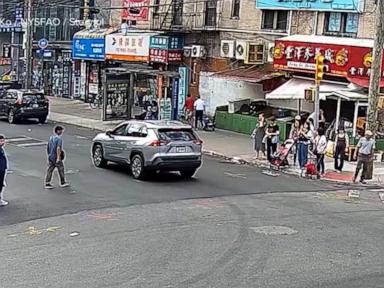
Heroism isn't bound by a shift schedule. When an off-duty NYPD officer steps up to pull a trapped motorist from danger in Brooklyn, the public sees a viral clip or a brief news segment. They cheer, click like, and scroll away.
That superficial reaction misses the entire reality of emergency response work.
I have spent years analyzing urban safety protocols and emergency response behavior. When a civilian faces a life-or-death car crash, seconds dictate whether they survive. Most people freeze. Training separates the average bystander from a first responder.
Let's break down what actually happens during these high-stakes street incidents in New York City, why off-duty intervention remains an unwritten job requirement for police personnel, and what you can learn from how these professionals think under extreme pressure.
The split second decision that changes everything
Urban driving is chaotic. Brooklyn traffic defies logic on a good day. Accidents happen fast, and metal twists quicker than most people can process. When an off-duty NYPD officer spots a wrecked vehicle with a trapped driver, they don't wait for backup. They evaluate structural integrity, fuel leaks, and victim extraction routes in under three seconds.
You might think any person would do the same. Truth time? They wouldn't.
Psychology studies on emergency situations show that the bystander effect paralyzes most people. People assume someone else will handle it. Cops are conditioned differently. Their brains register threat and action simultaneously.
When an officer is off duty, they lack gear. They don't have heavy tools, specialized extraction equipment, or even a radio linked to dispatch. They rely on pure instinct, physical strength, and whatever tools are lying around.
Why off duty cops intervene without hesitation
People often wonder why cops get involved when they are off the clock. They could walk away. They could protect themselves and stay out of harm's way.
The NYPD mindset doesn't work that way.
- Identity integration: Being a police officer isn't just a job title you clock out from at five o'clock. It becomes a core part of how you view your responsibility to the community.
- Situational awareness: While most citizens walk down the street staring at smartphones, law enforcement professionals constantly scan their environment for anomalies.
- Action bias: Training drills burn response patterns into muscle memory. When danger appears, the body reacts before the conscious mind can talk it out of danger.
Breaking down the Brooklyn rescue dynamic
Brooklyn offers unique operational challenges for emergency rescues. Narrow streets, double-parked delivery trucks, and heavy pedestrian traffic mean official emergency vehicles often struggle to reach accident scenes instantly.
When an off duty NYPD officer acts as the first wave of rescue during a Brooklyn car accident, they bridge the crucial gap between the moment of impact and the arrival of the Fire Department of New York or emergency medical services.
Think about the physical reality of a crumpled car door. Steel jams shut after a heavy impact. Windows shatter into tiny pieces that cut skin like glass shards. Smoke billows from under the hood, signaling an active fire risk.
An officer stepping into that chaos faces immediate hazards:
- Toxic smoke inhalation from burning rubber or engine oil.
- Risk of secondary collisions from distracted drivers navigating the Brooklyn street.
- Structural collapse of the vehicle cabin during extraction.
Handling these variables requires tactical cool-headedness. It is messy, dangerous, and completely unscripted.
What everyday drivers can learn from emergency responders
You aren't a cop. You don't carry a badge or handcuffs. Does that mean you are powerless if you witness a severe crash? Absolutely not.
You can adopt the mindset of an emergency responder to protect yourself and assist others effectively.
Stop freezing and start assessing
When a crisis hits, take a deep breath. Slow your breathing down. Your brain needs oxygen to make smart choices. Identify the immediate threats first. Is there fire? Is traffic bearing down on the wreckage?
Call for professional help immediately
Don't assume someone else dialed 911. Take charge. Give dispatchers exact locations, landmark details, and clear descriptions of injuries or entrapments.
Know your limits
An off-duty cop has tactical training and medical exposure. If a car is fully engulfed in flames or a victim has severe spinal trauma, dragging them out incorrectly can cause paralysis or death. If you cannot safely intervene, stay clear, direct traffic away from the scene, and guide first responders in.
Urban safety is a shared burden. While we look at viral videos of heroic rescues in Brooklyn and marvel at the bravery involved, the real takeaway is simpler. Pay attention to your surroundings. Be ready to act when the unexpected happens. Stop scrolling, start paying attention, and keep your community safe.