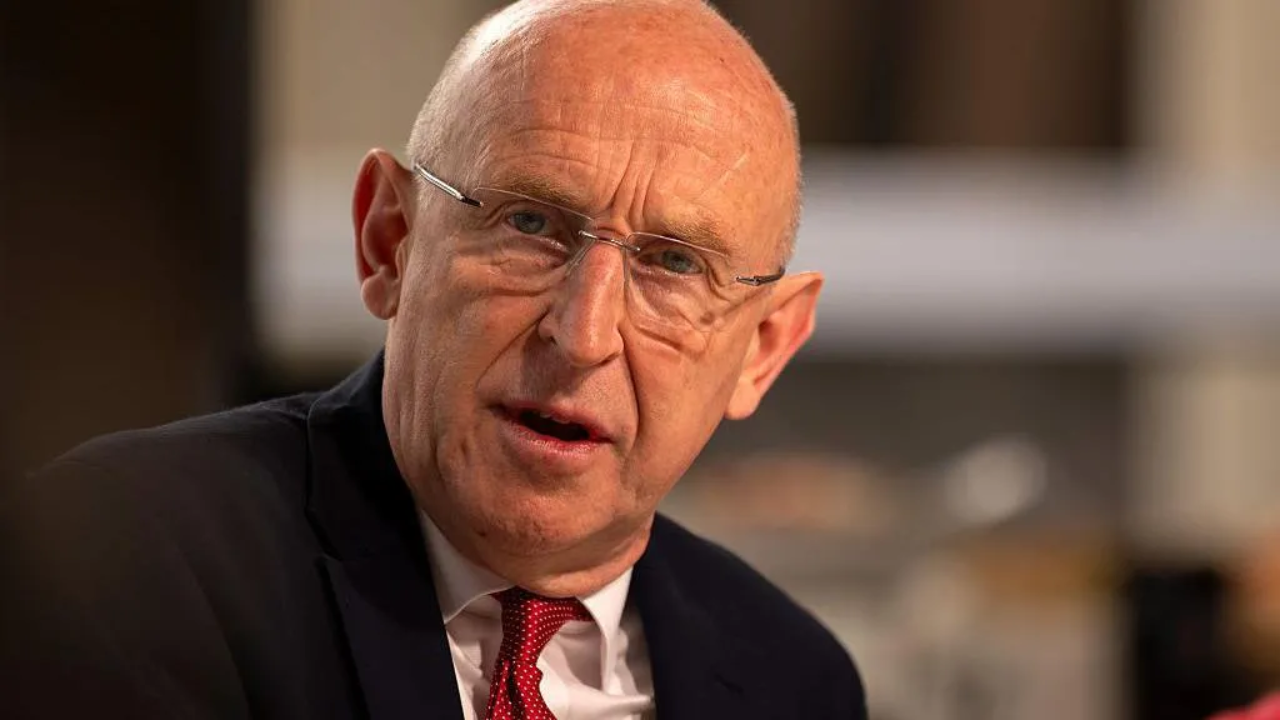
Britain’s new political era officially hits its first real test on October 28. Chancellor John Healey has confirmed this as the date for his inaugural Budget, and let’s be honest, the pressure is immense. It’s not just another date on the parliamentary calendar. This is the moment the government moves from campaign promises to hard, fiscal reality.
Prime Minister Andy Burnham and his Chancellor, Healey, have been in office for mere weeks, yet they’ve already staked their reputation on a specific narrative: moving power and capital out of the London bubble and into every single postcode across the country. It sounds great in a video message. It’s a lot harder to pull off when you’re staring down the barrel of tight public finances.
The Strategy Behind The Date
Choosing October 28 gives the new administration a narrow window. They’ve spent the last two weeks "kickstarting growth," as Healey put it, but a formal Budget is where the real work happens. You can’t just announce piecemeal policies and hope for the best. Investors, businesses, and families want a plan.
Healey is walking a thin line. He’s promised fiscal discipline—the kind that satisfies markets and keeps borrowing costs manageable. At the same time, he needs to deliver on those high-minded promises of regional investment. If he gets it wrong, the skepticism from the City will turn into a full-blown crisis of confidence.
What Businesses Need To Watch
If you’re a business owner or an investor, ignore the standard political rhetoric. Focus on the mechanics. The Chancellor has already tipped his hand on a few areas, like the 20% cut in business rates for pubs and music venues. That’s a start. But industry leaders are waiting for more.
Here’s the reality of the situation:
- Fiscal Rules: The government is publicly committed to strict rules on spending. If they break these, expect immediate market volatility.
- The Subsidy Gap: Replacing old programs with new ones like the £4,500 apprenticeship support for parents requires actual, tangible funding.
- The Energy Squeeze: Removing 5% VAT on energy bills helps households, but it leaves a hole in the tax intake that has to be plugged somewhere else.
It’s easy to promise breathing space for families. It’s significantly harder to pay for it without hiking taxes that were promised to stay stable. Burnham and Healey have both ruled out increases in income tax, VAT, and national insurance. That leaves them with very few levers to pull. When you take those major revenue sources off the table, you’re forced to get creative.
The Regional Gamble
The idea that money can simply be "moved" to every postcode is a bold one. Historically, centralizing power is the path of least resistance for any government. Decentralizing it is where most administrations fail because local councils and regional mayors often lack the capacity to spend money effectively in the short term.
Healey is proposing that mayors get a share of income tax to spend locally. This is a massive shift in how the UK operates. If you want to understand where this government is heading, watch how much control they actually surrender to these regional figures. It’s the ultimate signal of whether they’re serious about this shift or if it’s just rebranding.
How To Prepare For The Fallout
You don't need to wait until October 28 to start preparing. The government has already launched a Budget Representation Portal. If you’re a business stakeholder, go there. They are technically taking comments until September 9.
Most people will ignore this. They’ll wait for the news cycle to tell them what the Budget means after it happens. Don't be that person. Look at the policies already in play—the cap on bus fares, the apprenticeship incentives, the public ownership of British Steel. These aren't isolated events. They are the scaffolding for a very specific type of state-led intervention.
Understand that the volatility in the Middle East is still acting as a massive drag on the UK’s financial outlook. No amount of local initiative can fully insulate the domestic economy from global energy prices or geopolitical shocks. Expect the Chancellor to blame global factors if the growth numbers don't materialize immediately. It’s a classic playbook move.
Stay liquid. Keep your planning horizons short. When a new government is trying to force a change in the economic structure, the transition is almost always bumpy. Don’t bet on long-term stability until we see the full tax-and-spend package in October.
The next few months will be noisy. Tune out the talking heads on social media and look at the Treasury’s own projections. That’s where the truth—or the lie—will be hidden.