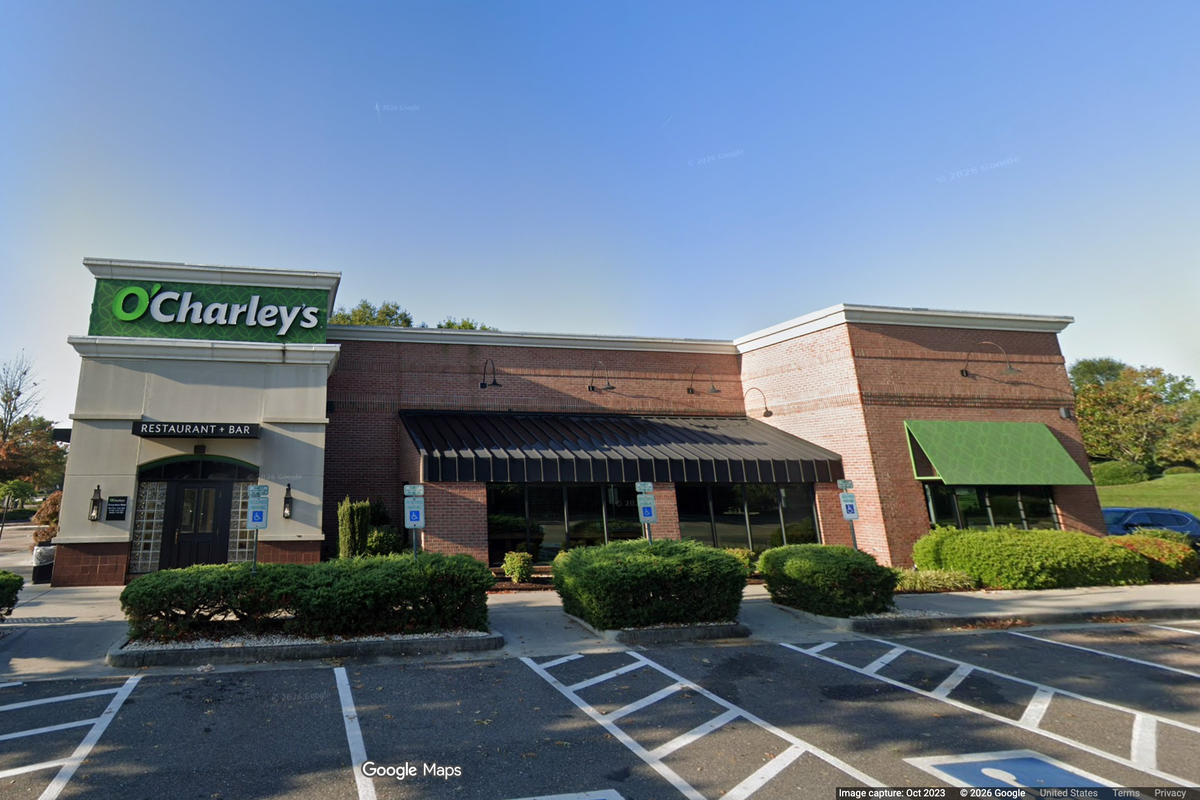
Fifty-five years of rolls, casual dining, and southern comfort just vanished over a single weekend. If you tried calling an O'Charley's location recently, you didn't get a polite hostess taking your reservation. You got an automated message telling you the doors were locked for good.
Parent company Cannae Holdings pulled the plug on the remaining 49 company-owned locations. No grand farewell tour. No long goodbye. Just silenced phones, deactivated social media accounts, and empty booths.
Most casual dining postmortems try to pin everything on the pandemic or inflation. But the quiet death of O'Charley's tells a much older, more complicated story about corporate real estate, shifting consumer habits, and a complete failure to modernize a brand that peaked when mall culture still ruled the American landscape.
The Writing on the Wall
If you followed the financial filings, this wasn't a surprise. Back in February, Cannae Holdings CEO Ryan Caswell made it crystal clear during an earnings call. The parent company wanted out of the restaurant business entirely. They wanted to pivot capital toward sports and entertainment assets where the margins actually made sense.
By May, the writing was carved in stone. Cannae announced it was actively redeploying capital away from its restaurant group. O'Charley's reported a brutal 13.1 percent decline in same-store sales during its second quarter. When a casual dining chain loses double-digit traffic in a quarter, the math stops working fast.
At its peak, O'Charley's operated roughly 250 units scattered across the South and Midwest. Families loved the warm yeast rolls and predictable dinner menus. But predictability doesn't pay rising property taxes or surging food costs.
Real Estate Mistakes That Bleed a Brand Dry
A massive chunk of O'Charley's footprint was anchored to older commercial strips, dying suburban malls, and legacy retail centers. When anchor department stores pulled out of those malls over the last decade, foot traffic evaporated.
Restaurants rely on proximity and convenience. If you build your business model around people shopping at a sprawling brick-and-mortar retail hub on a Saturday afternoon, you are hitching your wagon to a sinking ship. Once those retail hubs lost their pull, O'Charley's lost the casual walk-in traffic that kept dining rooms full on weeknights.
The Casual Dining Squeeze
Let's be honest about the state of casual dining chains in America. The middle tier is getting completely squeezed out.
On one end, fast-casual spots offer speed and digital convenience without the tipping etiquette. On the other end, consumers are willing to spend more, but they want craft experiences, local ingredients, or distinct culinary identities. A traditional sit-down menu featuring generic American comfort food struggles to justify a fifty-dollar tab for two when grocery prices are high and dining out feels like a luxury tax.
O'Charley's tried trimming the fat before the end. They closed dozens of units in 2023 following what industry insiders called long-term and immediate pressures. But shedding underperforming assets only buys time if the core product evolves. It didn't.
What Founders and Operators Can Learn
If you run a hospitality business or watch retail trends, the O'Charley's collapse offers a brutal checklist of what to avoid:
- Never rely on legacy nostalgia: Loyal customers age out or change habits. If twenty-somethings don't know your brand, you are already dying.
- Watch your parent company's portfolio priorities: When private equity or holding companies pivot toward tech, sports, or high-margin entertainment, restaurants get starved of capital renovations.
- Adapt real estate strategies early: Staying locked into massive, outdated suburban footprints while consumer foot traffic migrates elsewhere is financial suicide.
The last 50 locations are gone. The domain is offline. Another giant of casual dining history is officially closed for business.