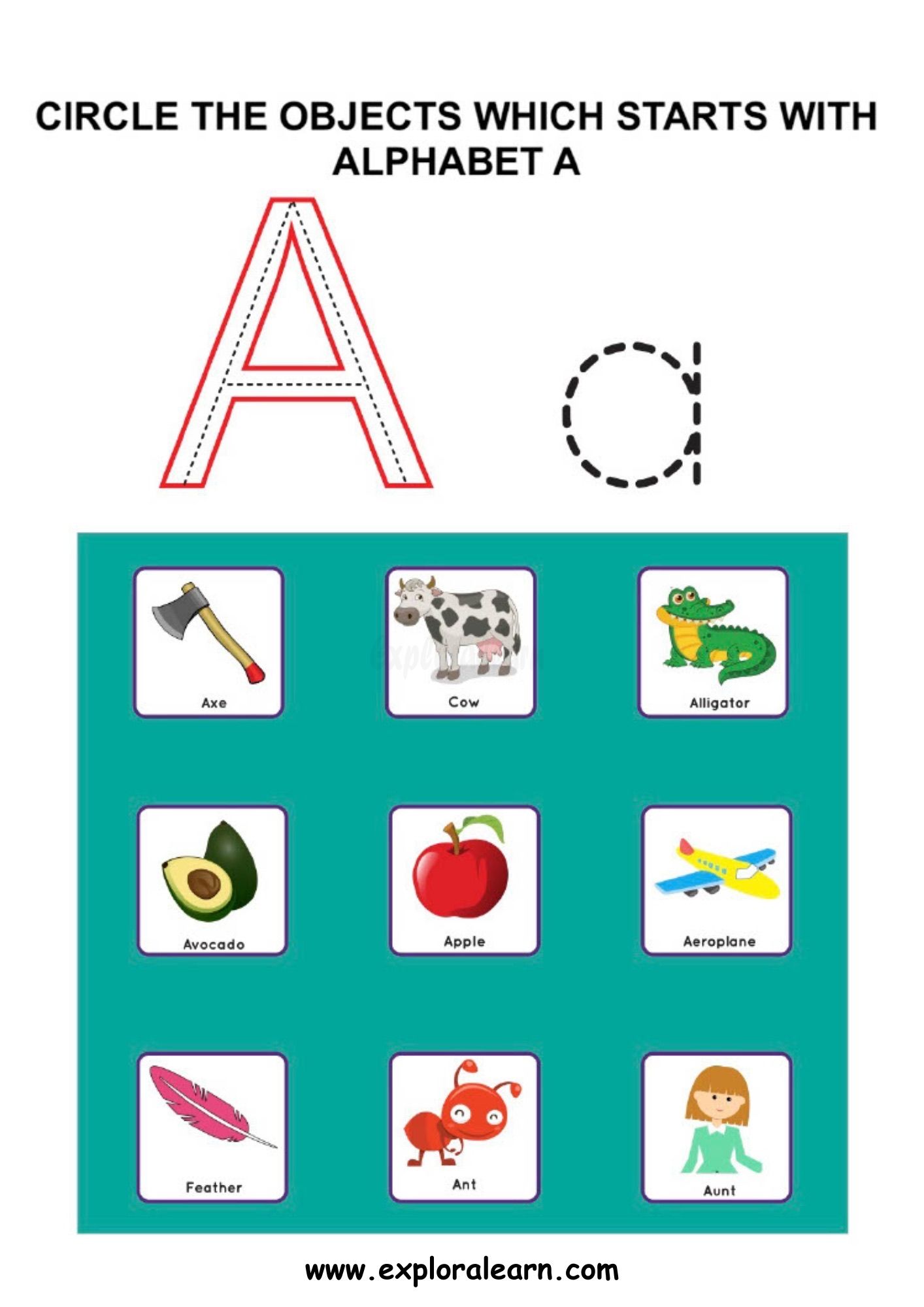
Ever tried to entertain a bored toddler or win a high-stakes scavenger hunt and felt your brain just freeze up? It happens to the best of us. You’re looking for Objects That Start With B and suddenly you can’t think of a single thing besides "ball." It’s frustrating. People usually search for these lists because they’re teaching phonics, decorating a nursery, or playing a game like Scattergories. You need items that are tangible, easy to recognize, and varied enough to fit different contexts. This guide gives you a massive inventory of items to pull from, whether you’re looking for stuff in the kitchen, the garage, or the Great Outdoors.
The Most Common Objects That Start With B in Your Home
Look around your living room. You’ll find more than you think. There’s the book sitting on your coffee table. There’s the blanket draped over the couch. If you’ve got kids, there’s likely a block or a bear (the stuffed kind) hiding under the furniture. Most people ignore the small stuff, like the button on their shirt or the battery inside the remote.
Don't forget the kitchen. It’s a goldmine for this specific letter. You’ve got bowls, blenders, and baking sheets. Think about the pantry. You’ll see beans, bread, and bottles of hot sauce. If you’re organizing a "Letter B" day for a classroom, these are the heavy hitters because they’re literally everywhere.
Everyday Household Essentials
Let’s get more specific. Think about the bathroom. You have a bathmat on the floor and a brush on the counter. There might be a bar of soap or a bottle of shampoo. In the bedroom, you’re looking at a bed, a bedspread, and maybe a bureau. These aren't just abstract concepts. They're the physical things we touch every single day.
I’ve seen parents struggle with this during alphabet scavenger hunts. They overthink it. They try to find something exotic. Just look at the blinds on the window or the baseboard along the wall. These are perfect examples because they’re fixed in place and easy for a kid to point at.
Rare Items You Might Miss
What about the stuff tucked away in drawers? A burlap bag in the craft room. A brooch in a jewelry box. A bellows by the fireplace. These items are great for more advanced games where "ball" is too obvious. If you want to win, you have to look for the things other people skip over. Think about a bolt in the tool shed or a bracket holding up a shelf.
Tools and Hardware Objects That Start With B
If you head out to the garage, the list changes completely. You move from soft items like blankets to hard, industrial items. We’re talking about a beaker if you’re a hobbyist or a bench if you’re a woodworker. Think about the bucket you use to wash the car.
The world of construction is filled with these. A beam is a fundamental part of a house. A brick is the literal building block of architecture. When you’re teaching someone about the physical world, using these heavy, structural items helps them understand scale and material.
Outdoor and Garden Equipment
Step into the backyard. You’ll find a birdhouse or a birdfeeder. Maybe there’s a barbecue grill waiting for summer. If you have a pool, you definitely have a buoy or a board for diving. Nature itself provides plenty of examples, though we usually stick to man-made items for these lists. Think about a bench in a park or a bicycle leaning against a fence.
One thing people often forget is the barrier. Whether it’s a silt fence at a construction site or a baby gate inside, it’s a distinct object. Then there’s the broom. Simple. Effective. Always starts with B.
Automotive and Tech Gear
Cars are full of B-letter items. The brake pedal. The battery. The bumper. The boot (if you’re in the UK) or the bonnet. Even inside the tech world, we have broadband routers and backups (though a backup is often a digital file, the drive itself is a physical object). You might have a blueprint for a project or a binder for your paperwork.
Clothing and Personal Accessories
Fashion is another massive category. You’re wearing a belt. You might be carrying a backpack or a bag. On your feet, you could have boots. If it’s sunny, you’re wearing a bonnet or a beret.
Jewelry and Small Ornaments
Let’s look at the finer details. A bracelet on your wrist. A bead on a necklace. A buckle on a pair of shoes. Even a bangle fits the bill. These are the types of items that work well for sensory bins for toddlers because they have interesting textures and shapes.
I once helped a teacher set up a sensory station. We used buttons, beads, and bells. The kids loved the different sounds and feels. It’s a practical way to engage multiple senses while reinforcing the letter sound.
Professional and Work Attire
In a professional setting, you might see a briefcase or a blazer. A badge pinned to a uniform. A baton used by a conductor or a police officer. These are specialized items that define specific roles. If you’re building a vocabulary list, including these helps provide context for how people work.
Musical Instruments and Artistic Tools
The arts are loaded with B-words. The banjo is a classic. The bass guitar or the bassoon for the orchestra fans. Then there’s the bagpipes, which are hard to miss.
For artists, there’s the brush. There’s bitumen used in certain types of painting. You might use a brayer for printmaking. Even the base of a statue is a distinct object.
Crafts and Hobbies
Think about what’s in a sewing kit. Bobbins. Binding. Bias tape. In a woodshop, you have bits for your drill. In a sports equipment bag, you have a bat, a ball, and a basket for basketball. These items are specific to the "doing" of a hobby. They aren't just things you look at; they're things you use.
Objects Found in Nature
While we usually think of manufactured goods, the natural world is filled with Objects That Start With B. A boulder in the woods. A branch fallen from a tree. A bulb waiting to sprout in the garden. These are great for outdoor learning.
Biology and Geology
If you look closer, you find bark. You find berries. You find buds. If you’re near the ocean, you might find a barnacle on a rock. In the world of geology, you have basalt, a common volcanic rock. According to the U.S. Geological Survey, basalt is one of the most common rock types in the Earth's crust. It’s an object you can hold in your hand.
Weather and Atmosphere
While we can't always "touch" weather, we can touch the objects it creates. A ball of hail. A barometer used to measure pressure. A balloon sent up to track weather patterns. These are the tools of the trade for meteorologists.
Food and Culinary Items
Let’s go back to the kitchen, but focus on the food itself as an object. A banana. A bagel. A baguette. These have distinct shapes and sizes.
Fruits and Vegetables
You have broccoli, beets, and blueberries. There’s bok choy and brussels sprouts. If you’re teaching a kid about healthy eating, using B-foods is an easy way to start.
Packaged Goods
Think about the containers. A box of cereal. A bottle of milk. A bag of flour. The packaging is just as much an object as the food inside. Most people skip the packaging when they’re making lists, but it’s a huge part of our physical environment.
Historical and Ancient Objects
If you go to a museum, you’ll see plenty of old-school B-words. A bow and blade from ancient warriors. A bust of a Roman emperor. A beaker from the Bronze Age.
Maritime History
The sea has its own vocabulary. A barge for hauling goods. A brigantine ship. A binnacle which holds a ship's compass. These are heavy, historical items that tell a story of how we used to travel.
Medieval Items
Think about a breastplate or a barbican. A banner flown during a parade. These objects carry a lot of weight—literally and figuratively. They help us visualize a time long gone. The Metropolitan Museum of Art has massive collections of these items if you ever want to see them in person.
Scientific and Medical Equipment
In a lab, you’ll find specialized items. A bunsen burner is a staple of high school chemistry. A beaker is used for mixing. A balance is used for weighing.
Medical Tools
In a hospital, you’ll see a bed (of course), but also a bandage or a basin. A blood pressure cuff (though that’s a phrase, the cuff is the object). There’s the beeper doctors used to carry before smartphones took over.
Tech and Electronics
Don’t forget the battery again. It’s the lifeblood of our modern world. There’s the board (circuit board) inside your computer. The button you press to turn it on. The backlight that lets you see the screen.
Specific List for Teaching and Games
If you’re here because you’re playing a game or teaching a class, you need a quick-fire list. No fluff. Just the items.
- Ball
- Balloon
- Banana
- Bandage
- Banjo
- Banner
- Barbecue
- Barrel
- Basin
- Basket
- Bat
- Bathrobe
- Battery
- Bead
- Beam
- Beanbag
- Bear
- Bed
- Bell
- Belt
- Bench
- Beret
- Berry
- Bib
- Bicycle
- Binoculars
- Birdhouse
- Blanket
- Blender
- Blocks
- Blouse
- Boat
- Bobby pin
- Book
- Boot
- Bottle
- Bowl
- Box
- Bracelet
- Bracket
- Branch
- Brick
- Briefcase
- Broom
- Brush
- Bucket
- Buckle
- Bulb
- Bumper
- Buoy
- Buttons
Why Categorizing Objects Matters
When you’re trying to remember things, your brain works better with categories. If I just say "think of B words," you might struggle. But if I say "think of things in a toolbox," you immediately get bit, bolt, and blade.
Categorization is a cognitive shortcut. It’s why teachers use themes. It’s why stores are organized by department. When you’re looking for things to include in a project, start with a location or an activity.
The Psychology of Lists
We love lists because they make the world feel organized. They take a chaotic mess of information and put it into a neat little box. For kids, lists help with pattern recognition. They start to see that the world isn't just a random collection of stuff; it's a structured environment where things have names and characteristics.
Improving Your Vocabulary
Using a wider variety of words—like binnacle instead of just compass—makes your communication more precise. It’s the difference between saying "that thing over there" and "that bollard on the pier." Precision matters. It helps people understand exactly what you’re talking about.
Practical Next Steps
Now that you have this list, what do you do with it? Don't just let it sit here. Use it.
- Host a Scavenger Hunt: Give your kids a list of ten items from this article and see who can find them first. It’s a great way to kill an hour on a rainy Saturday.
- Create a Sensory Bin: If you have a toddler, grab a plastic tub and fill it with a ball, a bear, a book, and some blocks. It’s a simple educational tool.
- Play Scattergories: Use these words to dominate your next game night. Most people go for the obvious answers. You’ll be the one with bellows and burlap.
- Label Your Home: If you’re teaching a child to read, print out labels for the bed, bath, bookshelf, and bureau. Seeing the word attached to the object helps it stick.
Lists are only as useful as the actions you take with them. Whether you're a teacher, a parent, or just someone who likes to be prepared for trivia, having a solid grasp of the physical world around you is a small but valuable skill. Check out National Geographic Kids for more ways to engage with the world through letters and exploration. It’s a big world. Start with B.