Half a trillion dollars changes hands quietly when nobody is looking. Nvidia just signed memorandums of understanding with six financial titans to mobilize a staggering $500 billion for artificial intelligence infrastructure.
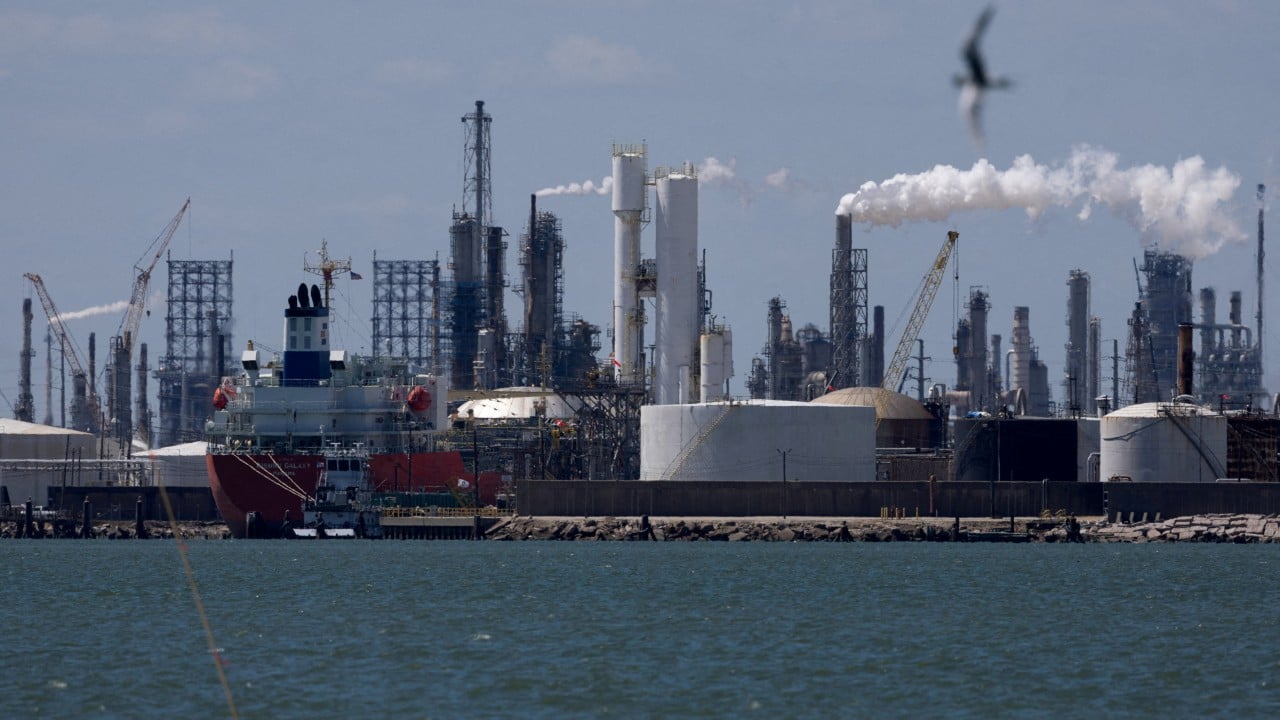
Apollo Global Management, Blackstone, BlackRock, Brookfield Asset Management, Goldman Sachs, and KKR are stepping into the arena. They aren't buying graphics cards. They are funding the physical reality behind the machine learning revolution. Data centers don't run on hype. They run on massive power grids and cooling towers that cost a fortune.
The Strategy Behind the Half Trillion
Chip sales alone have ceilings. Jensen Huang knows this better than anyone. When your hardware costs tens of thousands of dollars per unit, customers eventually run out of cash or credit.
By pulling private equity and institutional lenders into the picture, Nvidia is removing its own financing bottlenecks. Wall Street is creating dedicated pools of third-party capital. These funds will underwrite the data centers and power generation facilities required by tech giants and frontier labs.
You aren't just looking at a commercial partnership. You are watching the creation of an entirely new asset class. AI factories are becoming securitized infrastructure, right alongside toll roads and cellular networks.
Why Wall Street Is Taking the Bait
Traditional finance loves predictable returns. AI infrastructure used to look like a speculative software bet. That perception changed overnight.
Private equity firms want long-duration assets backed by heavy compute demand. By structuring these financing platforms, lenders secure reliable yields while tech companies get the runway to scale without blowing up their balance sheets.
Nobody is handing over cash blindly. These financial heavyweights are setting up structured debt and lease vehicles. If a cloud provider wants a massive gigawatt-scale cluster, they won't have to drain corporate reserves to build it. Private capital handles the bricks, mortar, and electricity.
The Circular Risk Nobody Wants to Talk About
Markets didn't celebrate immediately. Nvidia shares dipped slightly when the news leaked, and for good reason. Smart investors smell circular dependencies.
When the company supplying the chips also helps orchestrate the financing for the people buying the chips, risk gets tangled. We saw similar loops earlier this year with massive commitments tied to OpenAI and international chip deals.
If end-user demand for generative software flattens out, who absorbs the loss on a half-trillion-dollar buildout? Not Nvidia. The risk shifts downward to the private capital pools and lenders backing the physical sites.
What This Means for the Next Five Years
The infrastructure scramble is moving past simple semiconductor supply chains. Power generation is the new bottleneck. You can't run next-generation compute clusters without dedicated energy sources, which explains why these infrastructure packages explicitly target power supply and grid integration.
If you are building enterprise software or managing IT budgets, expect compute availability to stabilize. The capital is there now. The real test begins when these data centers open their doors and have to prove they can generate actual commercial returns instead of burning electricity for training runs.
Build your models carefully. The money is locked in.