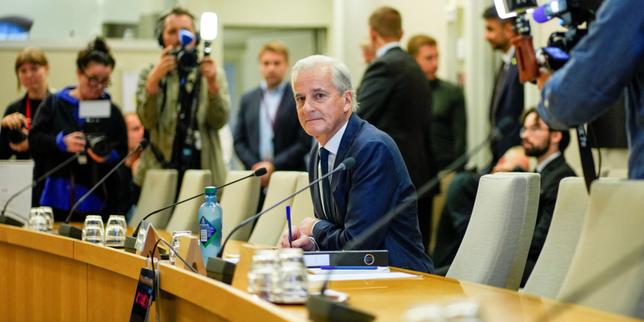
When the Norwegian Parliament began public hearings regarding Jeffrey Epstein, it wasn't just about digging up old gossip. It exposed a raw nerve in the country's foreign policy establishment. For years, ordinary citizens trusted that elite diplomats and leaders operated purely on high-minded humanitarian principles. Now, facing intense scrutiny over financial dealings, grants, and personal associations with the convicted sex offender, current and former officials are sweating under the lights.
Let's look at what's actually happening. Eleven current and former Norwegian figures, including major diplomats and political heavyweights, have found themselves pulled into an inquiry investigating decades of political networking. Prime Minister Jonas Gahr Støre has publicly defended the broader integrity of the Ministry of Foreign Affairs, trying to distance systemic state institutions from individual actions. Yet, the public isn't convinced that this was just a harmless misjudgment by a few rogue actors. Don't miss our earlier article on this related article.
How High Up Did the Network Reach?
You can't talk about Norway's Epstein crisis without looking at the sheer scale of the fallout. High-profile names like former Prime Minister Thorbjørn Jagland and veteran diplomat Terje Rød-Larsen have been central to the storm. Jagland, who also served as head of the Norwegian Nobel Committee, faced criminal charges by Økokrim, Norway's economic crime unit, over alleged corruption connected to Epstein. Meanwhile, Rød-Larsen—one of the key architects of the Oslo Accords—faced severe public backlash and later issued explicit apologies for his financial ties to the disgraced financier.
When prominent figures who shaped international peace talks and global diplomacy turn out to be rubbing shoulders with a financial predator, people start asking uncomfortable questions. How did these relationships stay hidden for so long? And why did money flow so freely through organizations linked to these individuals without triggering internal alarms? If you want more about the background of this, USA Today offers an in-depth summary.
The Danger of Blind Trust in Elite Networks
Elite capture is real. When powerful individuals move in exclusive international circles, normal oversight mechanisms tend to break down. In Norway's case, investigators have scrutinized millions in public grants funneled to institutes associated with key diplomats during the years those same figures were cozying up to American billionaires.
It's easy to assume that small, transparent democracies are immune to this kind of insider corruption. That's a mistake. The assumption that high social trust equals absolute protection leaves institutions vulnerable. When the system relies on unwritten rules and closed-door networking, accountability vanishes until a massive public shock forces everything into the open.
What Happens Next
The current parliamentary hearings don't possess criminal sentencing powers on their own, but they serve a vital purpose. They drag secret networks into broad daylight. Alongside these hearings, an independent inquiry committee is reviewing over thirty years of diplomatic policy, with a final report scheduled for January 2028.
If you're watching global governance, pay attention to how Norway handles the aftermath. Accountability isn't comfortable, and institutional reputation takes a massive hit. But ignoring the rot does far more damage in the long run. Real transparency means letting the investigators follow the money, no matter whose name is on the door.