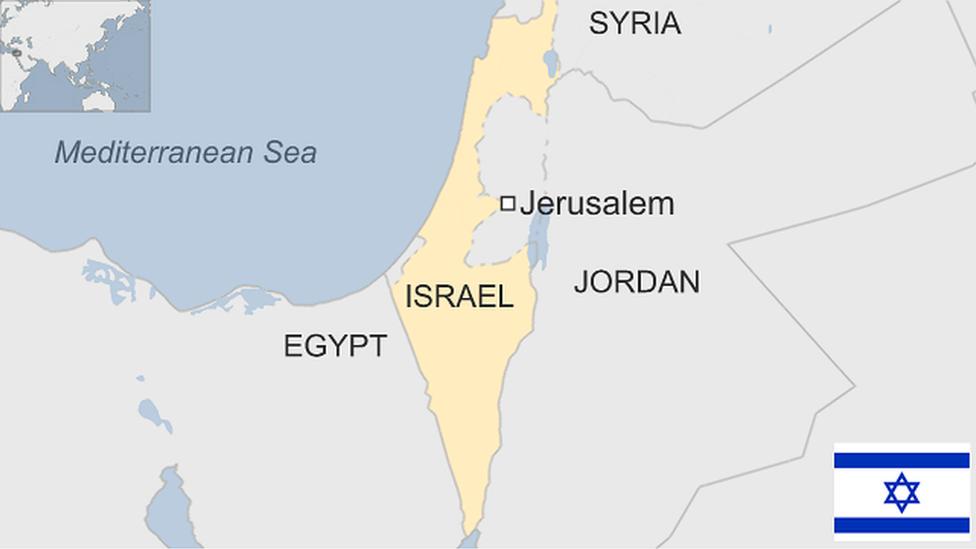
A routine commercial flight from Dubai to Tel Aviv turned into a nightmare when a cockpit altercation forced an emergency landing at Tabuk airport in Saudi Arabia. Around 180 passengers, predominantly Israeli citizens, found themselves stranded thousands of miles away from home in an unexpected geopolitical hotspot. Hours later, a flydubai rescue flight safely touched down at Ben Gurion International Airport, bringing an end to a terrifying ordeal.
If you are trying to piece together the chaotic events of flydubai flight FZ1073, the details emerging from official reports and passenger accounts reveal an incident that could have easily ended in catastrophic disaster. Israeli Prime Minister Benjamin Netanyahu publicly confirmed that the emergency diversion stemmed from a violent altercation inside the cockpit, where a pilot allegedly attempted to crash the plane.
The Inside Story of the Cockpit Altercation
Commercial aviation relies on strict protocols, dual-pilot redundancy, and absolute trust. When that system breaks down mid-air, the consequences are immediate. According to reports from i24 News and Israeli officials, the situation onboard flight FZ1073 deteriorated when an internal confrontation broke out among the flight crew.
An Indian national captain, identified as Smit Machchhar based in Dubai, reportedly stepped up to intervene during the crisis. Crew members and passengers acted quickly to prevent the suspect from tampering with vital flight systems. Another crew member managed to enter the cockpit, stabilize the aircraft, and execute an emergency landing at Tabuk airport in Saudi Arabia.
Passengers recounted hearing commotion, smelling tension, and realizing something was fundamentally wrong long before the wheels touched down on Saudi tarmac. The intervention of trained aviation professionals and alert passengers averted what Israeli officials termed a severe disaster.
Geopolitical Complexities of a Saudi Emergency Landing
An emergency landing in Saudi Arabia by a Tel Aviv-bound flight carrying Israeli citizens brings unique diplomatic and logistical challenges. Historically, commercial aviation between Israel and Gulf nations has navigated complex airspace restrictions. Diverting an Israeli-heavy passenger manifest into Tabuk meant local authorities had to manage a sensitive security situation on the ground.
Saudi security personnel immediately took control of the situation upon landing, detaining and interrogating the suspect. Meanwhile, flydubai scrambled a rescue operation to extract the stranded travelers. Roughly 180 passengers were transferred onto the rescue aircraft, which made its way directly to Ben Gurion Airport.
Families waiting at Ben Gurion faced agonizing hours of uncertainty as conflicting reports filtered through social media and news outlets. The Israel Airports Authority scrambled to open dedicated waiting and information areas to handle the influx of stressed family members seeking updates.
Lessons and Realities of Modern Aviation Security
Incidents involving pilot incapacitation or internal cockpit threats are exceptionally rare, but they test the limits of modern aviation safety margins. Aviation experts often point out that while automated systems and reinforced cockpit doors protect against external threats, internal vulnerabilities require a completely different set of emergency responses.
When a crew member or an individual captain has to physically restrain a colleague, the margin for error shrinks to seconds. Captain Machchhar and the supporting crew members are being hailed by officials for their quick thinking under intense pressure.
As investigations continue in Saudi Arabia and airline executives review psychological screening and cockpit access protocols, the immediate crisis has resolved. The passengers are back home, the aircraft is grounded, and the aviation community is left questioning how a standard flight nearly turned into an unimaginable tragedy.