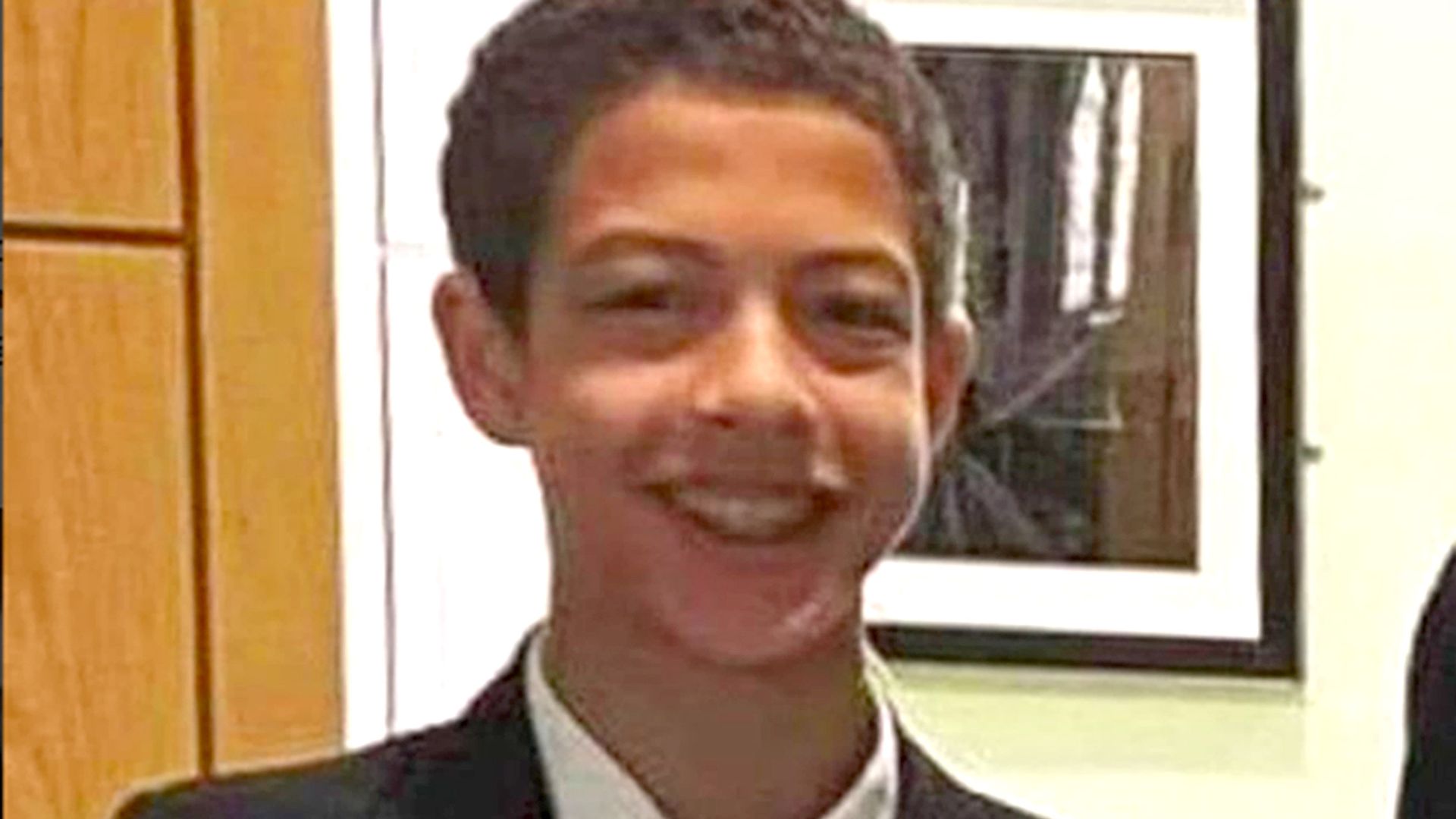
The long-running search for truth in the tragic case of Noah Donohoe has finally brought official answers, but they leave a bitter taste.
When a 14-year-old schoolboy vanishes and turns up dead days later, public trust hangs on the competence of the response. The recent unanimous jury verdict from the Belfast Coroner's Court laid bare a series of investigative errors by the Police Service of Northern Ireland (PSNI) and pointed to dangerous municipal oversights by the Department for Infrastructure.
If you've been following this case, you know the questions didn't stop when Noah's body was recovered from a storm drain in north Belfast in June 2020. People wanted accountability. They got a mixed verdict that cleared authorities of causing his death, yet blasted them for how they handled everything that followed.
The Core Findings on the Investigation
Let's look at the facts established after 32 hours of jury deliberation. Jurors agreed that Noah died by drowning between 7:00 PM and midnight on June 21, 2020. Because he was only reported missing the following morning, the jury concluded that police inaction or errors did not directly cause his death.
That distinction matters. But it doesn't excuse what happened next.
The jury identified 13 distinct investigative failings by the PSNI. These weren't minor administrative slip-ups. They seriously impacted the ability of the inquest to determine the full circumstances of what happened to the teenager.
Here are the critical errors highlighted by the jurors:
- Delayed CCTV Review: Crucial CCTV footage from the day he went missing—including footage showing Noah leaving his home earlier at 3:30 PM without his headphones and flip-flops—was shockingly not viewed by police until 2022.
- Flawed House-to-House Searches: Initial neighborhood inquiries were poorly executed. Officers failed to take statements in a reasonable timeframe, and the quality of their written notes was subpar.
- Mishandled Evidence: Investigators failed to properly secure important CCTV footage and dropped the ball on searches linked to a man who stole Noah's discarded laptop.
- Ignored Clues: Police failed to investigate the whereabouts of Noah's coat and ignored the potential relevance of a photograph capturing an unknown handprint on Noah's phone around the time he disappeared.
Assistant Chief Constable Davy Beck acknowledged the tragedy and stated the force would reflect on the learnings. But for Noah's mother, Fiona Donohoe, official apologies and notes of reflection don't fix a broken process.
The Danger Beneath Our Feet
Beyond the police errors, the jury pointed a finger at the Department for Infrastructure. They concluded that the management of access to a water culvert in north Belfast possibly contributed to Noah's death.
The inlet was covered by a debris screen but lacked warning signs or a secure padlock because officials didn't recognize that the public could access it. Because of that oversight, Noah was able to enter the underground tunnel system. CCTV had previously captured him cycling naked on Northwood Road before he made his way toward that fateful area.
Why weren't simple safety barriers in place? It's a question that infuriates grieving families who expect basic municipal safeguards to protect children in residential areas.
Moving Past the Noise
Cases like this expose the raw friction between grieving families demanding absolute transparency and institutions defensive about their procedural missteps. While the police errors didn't cause the initial tragedy, they prolonged the agony of uncertainty for years.
Accountability means more than just acknowledging mistakes after a lengthy court battle. It means fixing the foundational flaws in how missing persons cases and initial evidence preservation are handled on day one.
Take a close look at how local authorities manage public hazards in your own community. Neglected infrastructure and delayed institutional responses are rarely just paperwork issues—they carry real-world consequences.
Noah Donohoe inquest: Authorities and PSNI criticised but not found culpable
This video provides an overview of the unanimous verdict reached in the Noah Donohoe inquest, detailing the criticisms leveled against both the Department for Infrastructure and the PSNI regarding access to the storm drain and the handling of the investigation.
http://googleusercontent.com/youtube_content/1