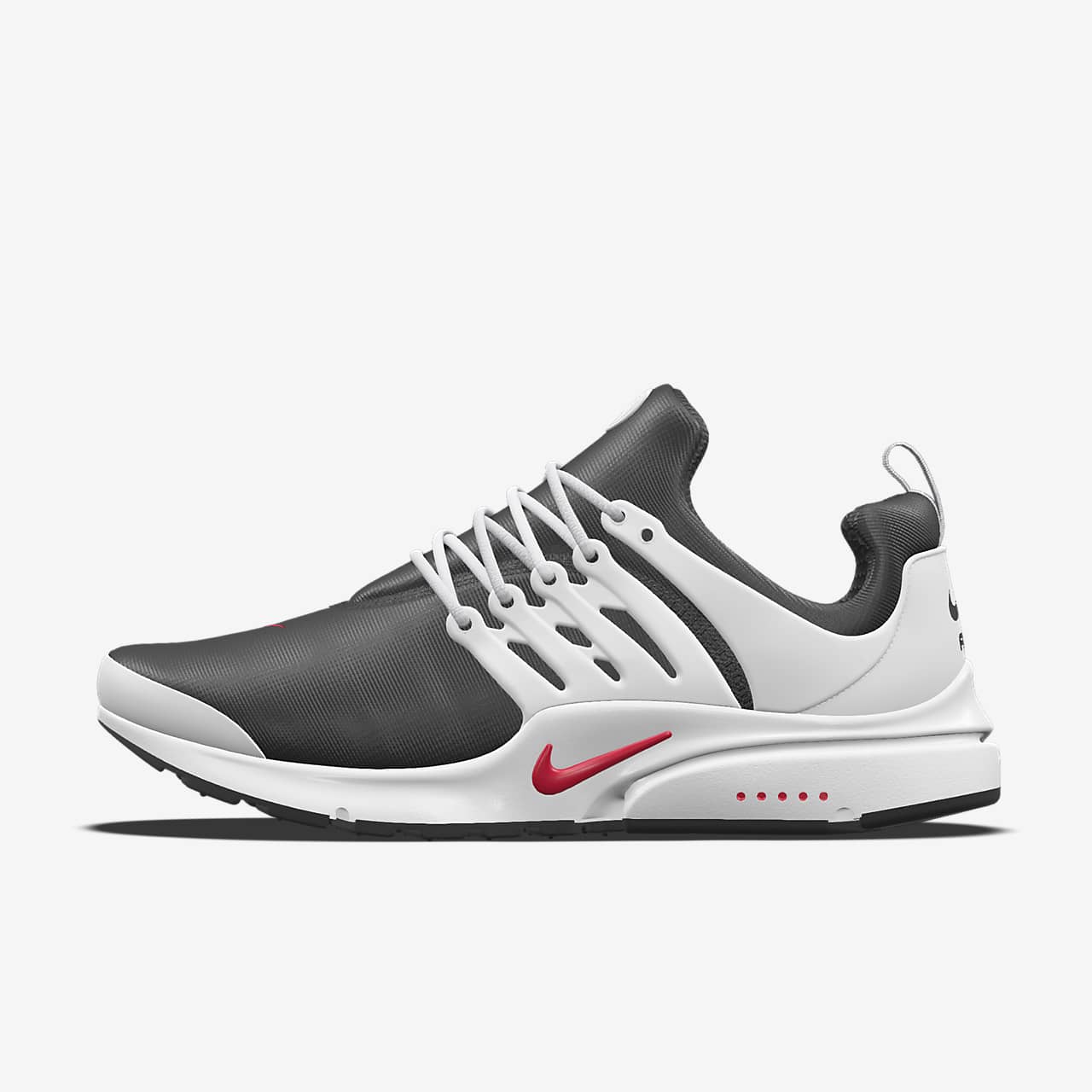
For decades, western sportswear giants treated the Chinese market like an endless growth machine. You dropped a retro sneaker with a famous swoosh, and shelves emptied overnight.
Those days are gone.
Nike's revenues in Greater China have fallen roughly 30 percent from their 2021 peak, sliding to about $5.8 billion. That drop is not just a blip or a temporary supply chain headache. It represents a fundamental shift in how Chinese consumers buy athletic gear, and frankly, Nike missed the memo.
If you want to understand why a multi-billion-dollar marketing powerhouse stumbled, you have to look past simple macroeconomic excuses. You have to look at local execution, shifting cultural pride, and a severe case of corporate arrogance.
The Rise of Domestic Competitors
For years, foreign brands relied on the assumption that a western logo carried inherent prestige. Consumers wanted international status. Local brands like Anta and Li-Ning were often viewed as budget alternatives for casual wear rather than top-tier performance equipment.
That hierarchy flipped.
Anta and Li-Ning aggressively upgraded their technology, invested heavily in local research and development, and signed homegrown athletes. Anta's market share climbed steadily, while Nike's digital sales in the region plunged by nearly 30 percent in recent quarters.
Local shoppers realized they didn't need to pay a premium for imported branding when domestic alternatives offered equal or superior performance features tailored specifically to local sports and sizing preferences.
A Stale Product Mix and Discount Traps
Nike got comfortable. While domestic brands iterated rapidly on trendy designs and outdoor performance gear, Nike leaned heavily on legacy silhouettes. When demand cooled, inventory piled up across retail partners.
Excess inventory forces markdowns. Markdowns destroy brand equity.
Nike found itself caught in a painful loop. The company reported sliding wholesale revenues and falling comparable-store sales across Greater China. When a brand known for cool begins relying on heavy promotions just to clear shelves, the magic fades fast. Shoppers stop buying at full price because they know a sale is always around the corner.
The Digital Disconnect
China's digital retail ecosystem moves at lightning speed. Platforms like Tmall, Douyin, and Xiaohongshu dictate trends in real time through live-streaming commerce and hyper-targeted social shopping.
Nike's digital presence became fragmented and slow to adapt. While local brands built direct, lightning-fast feedback loops with young consumers on short-form video apps, western giants struggled with rigid corporate approval structures. By the time a marketing campaign cleared global headquarters, the trend had already died.
What This Means for Global Retailers
The takeaway here goes far beyond a single sneaker brand. The era of dropping a generic global campaign into international markets and expecting automatic success is finished.
Consumers in major emerging markets expect hyper-localization, blazing-fast product cycles, and genuine cultural alignment. If you can't match the speed and relevance of domestic rivals, brand heritage alone won't save your margins.
Fixing this requires more than a simple marketing refresh or a new celebrity endorsement. It takes rebuilding trust, cleaning up distribution channels, and accepting that you are no longer the only game in town.
Audit your international distribution channels today. If your foreign markets rely solely on legacy brand equity without localized product innovation, expect a sharp awakening.