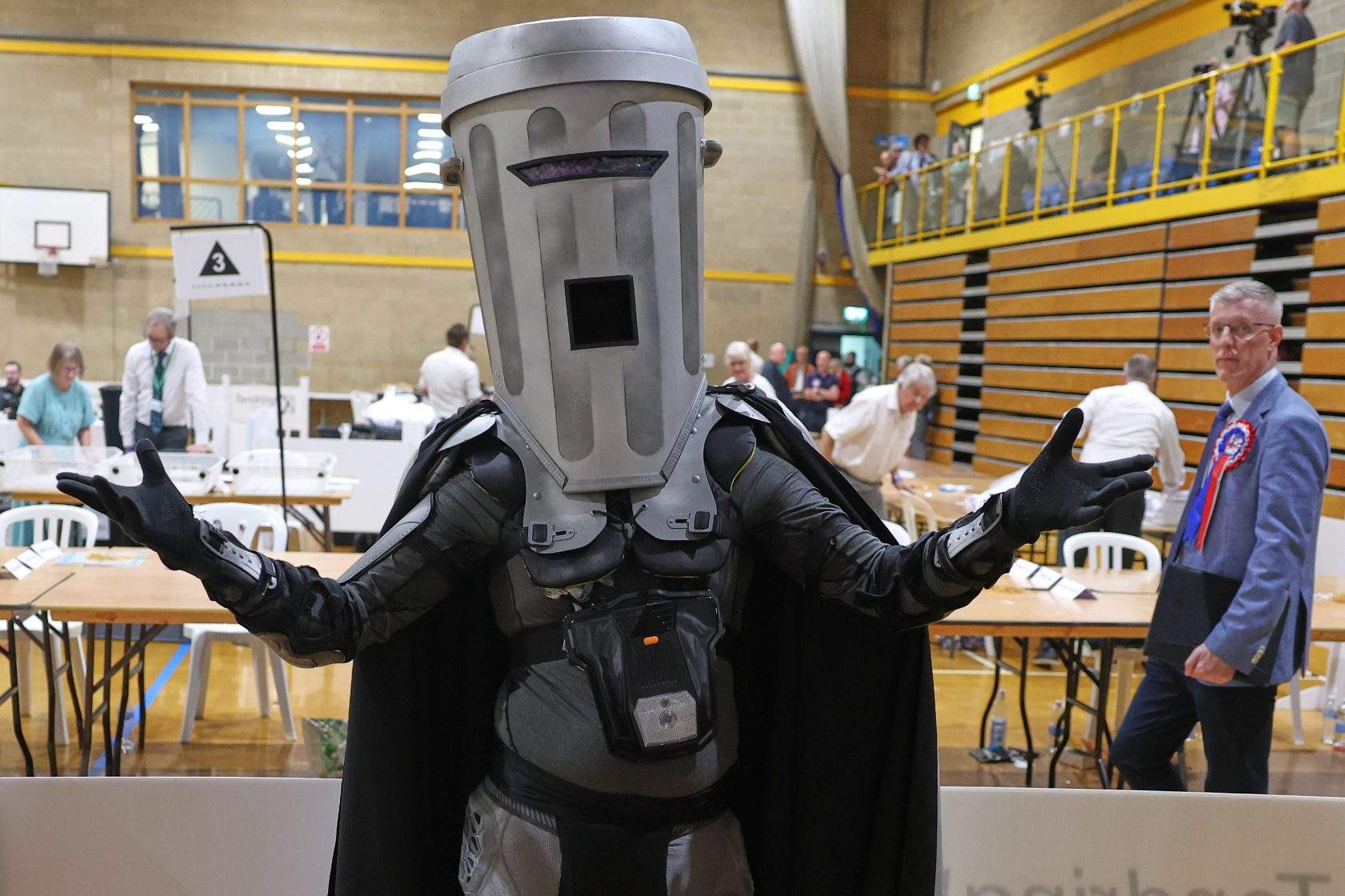
Nigel Farage just won his own manufactured byelection in Clacton, but the real winner of the stunt is a guy wearing a bucket on his head. If you thought British politics couldn't get any weirder, the Clacton byelection proved everyone wrong.
The Reform U.K. leader triggered this special election in July after facing intense scrutiny over a controversial five million pound gift from cryptocurrency figure Christopher Harborne. Instead of facing down traditional opponents, Farage walked straight into a political trap of his own making. Every major political party boycotted the circus, leaving Farage to battle a ballot paper featuring 34 candidates—including serial satirist Count Binface. Also making headlines in this space: Why Brazil Is Skipping Standard Tariffs And Hitting U.s. Intellectual Property Instead.
The Result That Nobody Wanted to Celebrate
Farage secured 22,239 votes, taking roughly 63 percent of the share. On paper, holding a coastal stronghold sounds like a triumph. Yet, Farage skipped the actual count and didn't even stick around for a traditional victory speech. He claimed police warned him about an organized disruption campaign, though local officials maintained the security operation was entirely routine.
Meanwhile, Count Binface—the satirical persona of comedian Jon Harvey—pulled off a stunning second-place finish. Running on a brilliantly absurd platform that included price controls on ice cream, nationalizing singer Adele, and building just one affordable house, Binface hauled in 9,455 votes. That amounts to nearly 27 percent of the total electorate, crossing the threshold to reclaim his election deposit and turning Farage's vanity project into a global punchline. Additional information regarding the matter are detailed by Associated Press.
What the Financial Cloud Means for Reform U.K.
Winning the seat back doesn't wipe the slate clean for the populist firebrand. The parliamentary standards watchdog restarted its formal investigation into Farage's financial declarations immediately after the results dropped. Critics from opposing parties were quick to point out that no amount of anti-establishment rhetoric changes the underlying compliance issues.
Farage built his entire political career on attacking Westminster elites. By staging an election to shake off financial scandals only to watch a man in a trash-can helmet capture a massive protest vote, he handed his critics a goldmine of ammunition.
Parliamentary oversight committees will now resume their inquiries. If investigators find breaches of parliamentary rules, Farage could face fresh sanctions or even another forced exit. Clacton voters sent him back to the House of Commons, but the political damage is already done.