Governments are done asking tech giants nicely to protect kids. New Zealand just stepped into the legislative ring, proposing a strict social media ban for anyone under the age of 16.
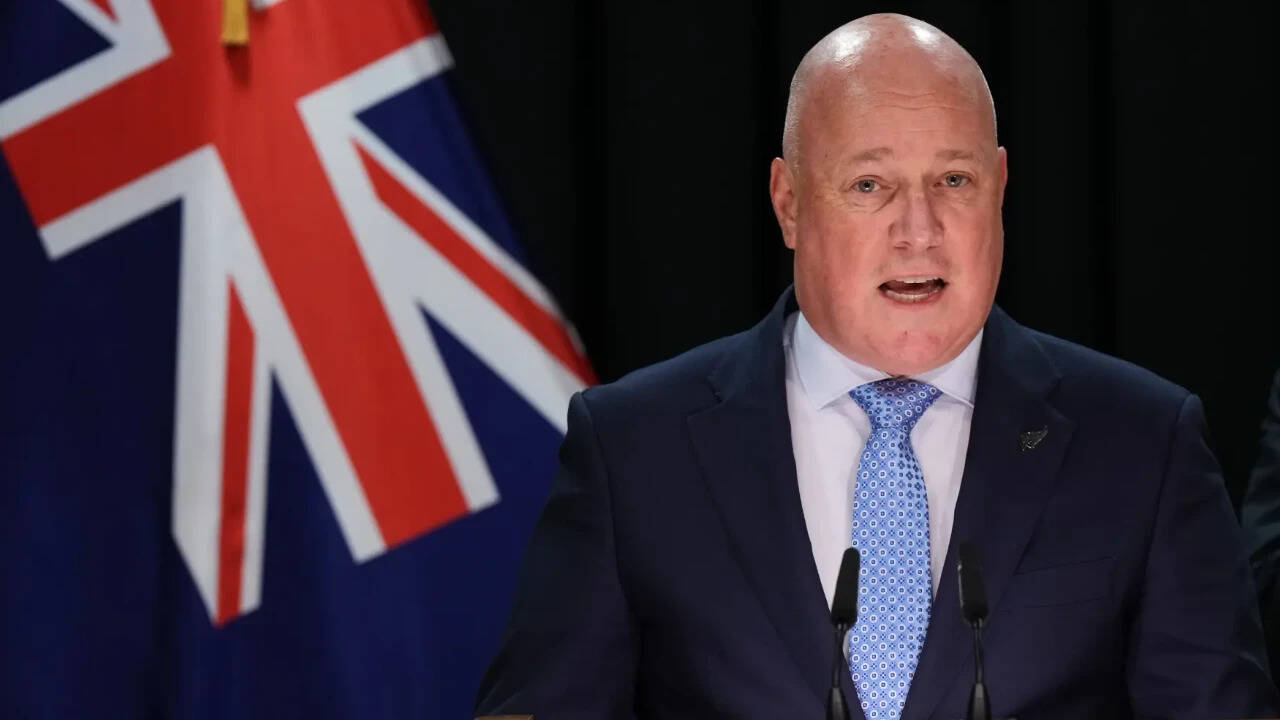
Prime Minister Christopher Luxon unveiled the sweeping policy, taking a direct page from Australia's playbook. Under the proposed framework, major networks like Instagram, TikTok, Snapchat, and Facebook would face penalties soaring up to 10 percent of their global revenue if they fail to keep underage users off their apps. Meanwhile, you can find related events here: Why The Arrest Of Imran Khan Sister Aleema Khan Changes Everything In Pakistan Politics.
It sounds like a straightforward shield for children. Reality is far messier. The bill is already colliding head-on with fierce political resistance, technical headaches, and deep debates over personal privacy.
The Mounting Pressure on Tech Giants
If you look at how modern teens spend their days, the numbers are staggering. Recent data highlights that a full third of New Zealand teenagers log at least five hours every single day scrolling through feeds. Lawmakers argue that no generation is built to handle that level of algorithmic conditioning. To understand the bigger picture, we recommend the detailed report by Associated Press.
The proposed legislation places the heavy lifting squarely on the shoulders of tech companies, not parents or kids. Platforms would have to deploy serious age-verification tools. Think facial age estimation, digital ID checks, and parsing through existing account data to sniff out underage users.
Companies that look the other way pay massive sums. But enforcement is where things start to crack.
Why the Coalition Government Is Splitting at the Seams
Passing a law is never just about good intentions. New Zealand operates under a coalition government, and Luxon's proposal is creating deep fractures internally.
Two key partners in the governing arrangement have already signaled they will block the bill. Winston Peters, leader of New Zealand First, didn't mince words. He called Australia's pioneering ban a colossal failure and argued that keeping kids off phones is a fundamental duty for parents, not an overreaching state apparatus.
Because of this intense friction, the bill lacks the numbers to pass on coalition loyalty alone. Survival depends entirely on stitching together an unlikely alliance with opposition lawmakers who remain deeply uncommitted.
What Actually Gets Banned and What Slips Through
Not every digital platform faces the axe. The restrictions target pure social networking and high-risk feeds.
- Blocked: Instagram, TikTok, Snapchat, and Facebook.
- Exempted: Messaging tools like WhatsApp, collaborative spaces like Roblox, and productivity-focused artificial intelligence applications like ChatGPT and Gemini.
Critics point out this creates massive gray areas. A teen can easily chat, game, and interact with advanced models while being legally barred from traditional feeds. Skeptics also note that tech-savvy kids will find workarounds within minutes using VPNs or fake credentials.
Even the government admits the system won't be airtight. Officials frame the measure less as an absolute cage and more as a cultural shift to reset societal expectations.
The Global Domino Effect
New Zealand isn't acting in a vacuum. Australia took the historic plunge in December 2025 by locking under-16s out of major social media channels. Since then, countries across the globe are watching closely, with nations like Canada, Brazil, and Indonesia introducing or weighing similar restrictions.
Governments are shifting from voluntary guidelines to hard mandates. Tech platforms can no longer rely on self-regulation.
Expect more battles in parliament halls as lawmakers try to balance child safety against digital privacy and personal freedom. The scroll age is facing its biggest challenge yet.