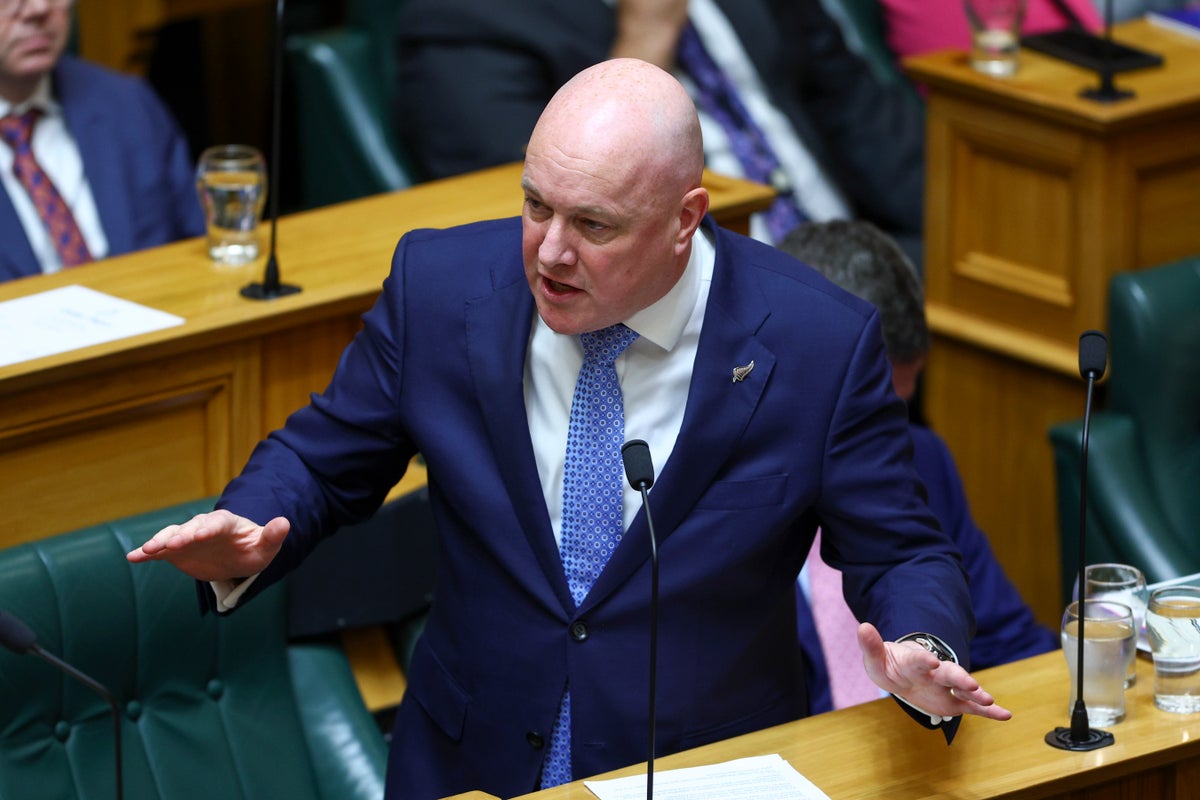
Nearly ninety-five percent of New Zealand speaks English every single day, yet lawmakers just spent valuable parliamentary time passing a bill to officially recognize it.
The English Language Bill officially became law on July 30, 2026, placing English alongside te reo Māori and New Zealand Sign Language. Sounds harmless on paper, right? Not quite. The move triggered a fierce nationwide storm, drawing fierce pushback from linguists, legal experts, and indigenous politicians who labeled the entire exercise an embarrassing and expensive waste of government resources. Expanding on this topic, you can find more in: Why Sri Lanka Is Facing Another Weather Crisis After Deadly Floods And Mudslides.
If a language is already spoken by nearly 4.8 million people across courts, parliament, and daily commerce, why force statutory recognition now? The answer reveals a messy collision between nationalist politics, cultural insecurity, and the ongoing struggle for indigenous rights in the South Pacific.
The Real Motivations Behind the English Language Bill
To understand why this law created such friction, you have to look at the political machinery driving it. The legislation originated as a campaign promise by the populist New Zealand First party, led by Winston Peters, which entered a coalition agreement with the governing National Party. Experts at TIME have shared their thoughts on this matter.
Proponents argued the bill offered necessary legal clarity. They claimed that giving English statutory backing honors democratic principles without stripping protections from minority tongues.
Ministry of Justice officials strongly disagreed. Before the vote, they advised lawmakers to scrap the bill entirely. Their reasoning was simple: zero evidence existed to suggest English faced any threat of marginalization or decline in New Zealand.
Unlike te reo Māori, which spent decades clawing its way back from the brink of extinction after systematic suppression by colonial authorities, English has always enjoyed absolute dominance. Giving it official status does nothing operational. It changes zero court mandates, shifts zero administrative processes, and solves zero practical problems.
A Culture War Disguised as Legislation
Critics were quick to point out that the timing and nature of the bill point toward a deeper cultural anxiety.
Over the last few years, public spaces across New Zealand have seen a healthy resurgence of te reo Māori and the country's indigenous name, Aotearoa. For conservative and nationalist factions, this visible shift triggered defensive posturing.
During the heated third reading in the House of Representatives, Green Party MP Tamatha Paul delivered a fiery speech that instantly went viral online. She didn't hold back. She accused the coalition government of panicking whenever they hear indigenous language spoken around them.
"We had to march our arses to parliament, demanding that the indigenous first language of this country be recognized and not beaten out of the mouth of its native speakers," Paul told parliament. She also noted the supreme irony of the situation: English isn't even codified as an official statutory language in England itself.
Other opposition figures joined the chorus of ridicule. Labour MP Camilla Belich joked during the debate that parliament might as well pass a law next to regulate the changing of the seasons. Justice Committee records show that nearly two-thirds of public submissions opposed the bill, warning that it served primarily to manufacture division and undermine the protections meant exclusively for vulnerable minority languages.
What This Means for New Zealand's Linguistic Future
Language policy is never just about words. It reflects who a country believes it is and whose history it chooses to value.
Te reo Māori was granted official status in 1987 under the Māori Language Act precisely because it was classified as endangered by UNESCO, spoken by a fraction of the population due to historical assimilation policies. New Zealand Sign Language followed suit in 2006 to protect another distinct communication minority.
By shoving English into that same official category, the government risks diluting the original purpose of official language laws, which were designed as a shield for marginalized groups rather than a redundant badge of honor for the dominant majority.
Linguistics experts like Auckland University of Technology associate professor Sharon Harvey have voiced concerns that mainstreaming "English-first" mentalities through legislation could embolden future administrations to chip away at bilingual funding and indigenous visibility.
The ink is dry on the English Language Bill. English remains spoken by nearly everyone in the country, exactly as it was before anyone spent months debating its legal status. The law changes nothing about how everyday life functions in Wellington or Auckland. It simply stands as a monument to political theater, reminding everyone involved that lawmakers can spend months legislating the obvious while actual social challenges wait in the wings.