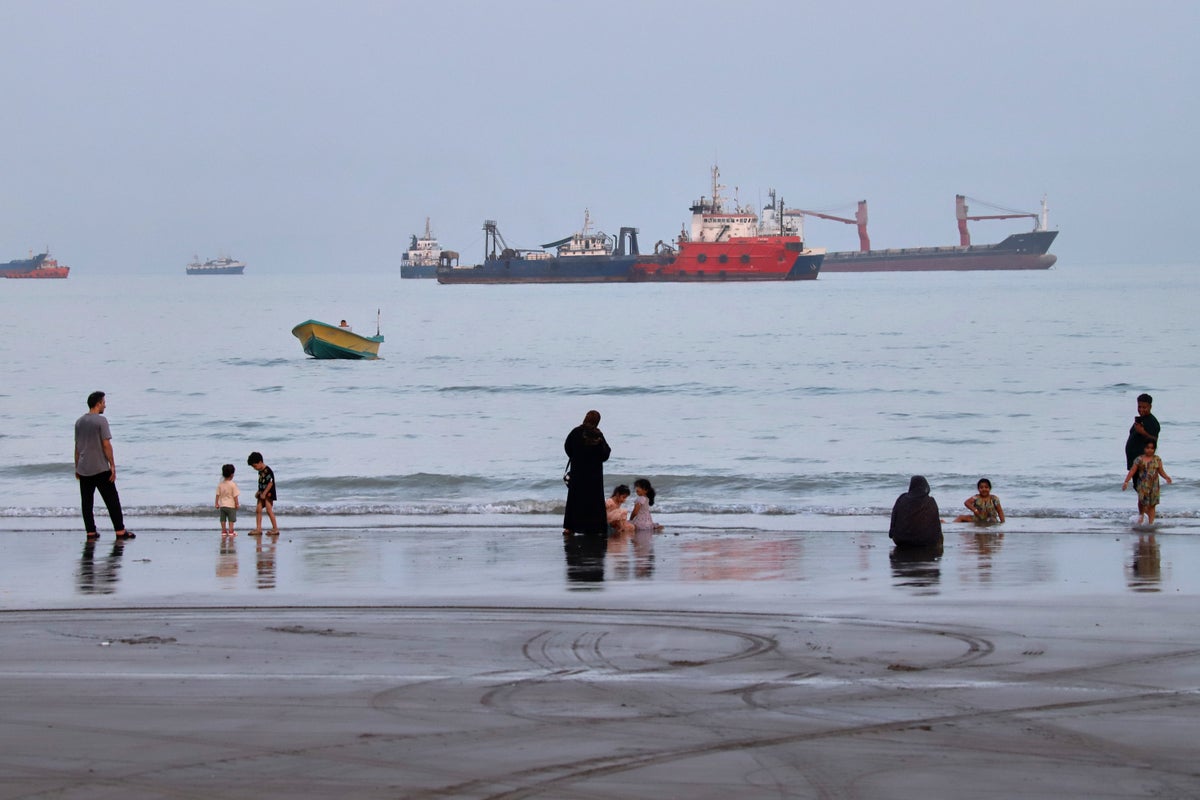
The Strait of Hormuz remains the jugular vein of global energy. Right now, Tehran and Muscat are quietly hammering out an agreement to carve a designated shipping route through those choked waters. If this draft deal crosses the finish line, it could hand Iran a level of maritime leverage it has never held before, while accidentally offering the White House a face-saving off-ramp from an increasingly unpopular war.
President Donald Trump insists that talks to end the conflict are imminent, fueled by urgent pleas from Gulf allies like Saudi Arabia, the UAE, and Qatar who want to avoid massive regional retaliation. But Tehran is playing a completely different game publicly. Iranian officials maintain they aren't negotiating with Washington at all. Instead, they are finalizing independent bilateral terms with Oman that could reshape who gets to police the Persian Gulf.
The Mechanics of the Omani Route
Let's look at what is actually on the table. According to regional sources and Iranian state media statements, the proposed arrangement dictates that incoming cargo ships enter the Persian Gulf through Iranian territorial waters, while outgoing vessels exit via Omani lanes.
This isn't a simple return to pre-war international transit. It formalizes a de facto supervisory role for Tehran over a chokepoint that carries roughly a fifth of the world's traded oil and liquefied natural gas.
- The Iranian lane: Inbound traffic hugs the northern coast under direct Iranian observation.
- The Omani lane: Outbound vessels use the southern channel managed alongside Omani coordination.
- The sticking point: Tehran wants service fees and environmental tolls for ships using the corridor, a demand Washington flatly rejects.
U.S. officials argue that Hormuz must remain an open international waterway free of unilateral tolls or administrative permissions. Yet, reality on the water tells a starkly different story. With a persistent naval blockade choking Iranian ports and American air power unable to completely stop low-cost asymmetric disruptions, the White House is running out of clean military solutions.
Why Trump Is Trapped Between Bad Options
You have to look at the domestic pressure cooker in Washington. Gas prices are high, midterm elections are looming on the horizon, and the public has grown weary of a conflict that was supposed to wrap up quickly.
When Gulf intermediaries warned Trump that a massive planned escalation could trigger devastating retaliatory strikes on regional desalination plants and energy infrastructure, the calculation changed overnight. Halting the strikes was necessary, but accepting an Iran-Oman arrangement that legitimizes Iranian control over the strait crosses a red line that Secretary of State Marco Rubio has publicly sworn to defend.
This leaves the administration in a bind. Does Trump accept a compromise where Iran gets administrative authority over the strait in exchange for a pause in hostilities and a resumption of nuclear talks? Or does he hold the line, maintain the blockade, and risk an even wider economic meltdown?
What Happens Next on the Water
Tehran's foreign ministry has made it clear that a signed paper with Oman won't magically make the entire waterway safe overnight. The underlying friction—specifically the U.S. naval blockade and ongoing regional friction—remains unresolved.
Senior diplomats are waiting for final sign-offs from high levels in Tehran, while Washington tries to spin the diplomatic scramble as proof that maximum pressure is finally working. Don't buy the spin. If an agreement emerges from Muscat, it will likely be because Washington decided it could no longer afford to keep fighting over the exact definition of an open sea lane.
The next few days will determine whether this temporary navigation fix actually bridges the gap toward broader peace talks, or simply sets the stage for the next escalation.