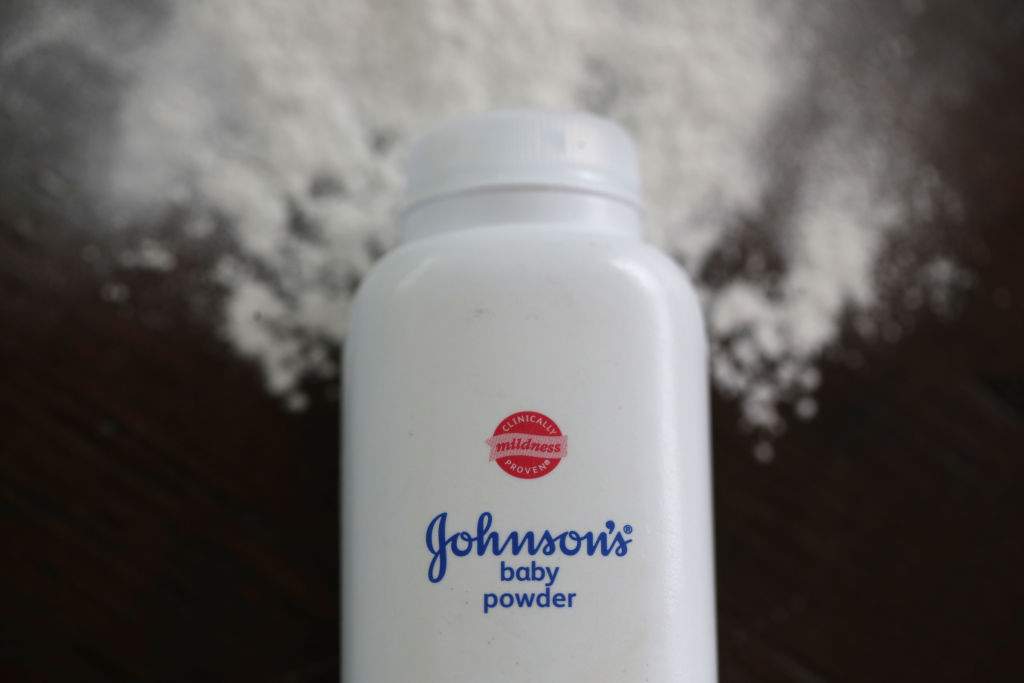
Fifteen years of courtroom bickering is finally nearing a finish line. Johnson & Johnson just threw down a massive $5.5 billion offer to put an end to roughly 69,000 to 76,000 lawsuits claiming its iconic baby powder caused ovarian cancer.
If you have followed this corporate soap opera, you know this is not the first time the healthcare giant has tried to buy its way out of trouble. Past attempts through shell company bankruptcies failed miserably. This time feels different. It is a direct, multi-billion dollar settlement proposal that skips the bankruptcy tricks and targets the actual claimants head-on.
The Fine Print of the $5.5 Billion Deal
Money talks, but terms dictate whether a deal actually survives. Under the proposed agreement, Johnson & Johnson will shell out up to $5.5 billion to resolve the remaining ovarian cancer claims. The payout schedule is staggered. The company plans to disburse up to $3 billion in 2027, holding off on any further payments until 2028 or later.
There is a massive catch. The deal requires the explicit sign-off and participation of at least 95 percent of the remaining claimants tied up in federal and state courts.
If even a small fraction of plaintiffs balk, the deal collapses. Yet, lead plaintiffs' counsel Chris Seeger has already signaled optimism, noting that decades of protracted legal warfare have left families waiting too long for real relief.
Why J&J Still Claims Innocence
Corporate PR is predictable. J&J's vice president of litigation, Erik Haas, wasted no time calling the underlying claims meritless. He argued that the company would have ultimately won if they kept fighting through trial.
Truth be told, they actually had some momentum on their side. Just days before this announcement, a federal magistrate judge cast serious doubt on whether individual plaintiffs could prove specific causation—meaning whether talc directly triggered their individual cases of ovarian cancer.
So why settle if you are winning? Because defense costs bleed billions, and shareholder uncertainty kills stock performance. Settling allows the company to clean house, clear its balance sheet optics, and pivot entirely toward medical devices and prescription drugs.
The Long Shadow of Talc and Asbestos
Let us clear up a common point of confusion. The broader talc litigation actually splits into two distinct categories: mesothelioma and ovarian cancer.
Mesothelioma claims usually center around the argument that talc deposits were naturally contaminated with asbestos, a known carcinogen found near talc mines. J&J resolved the vast majority of those mesothelioma cases long ago.
The ovarian cancer claims—which make up the bulk of this new $5.5 billion settlement—have always been legally murkier. Plaintiffs argued that daily cosmetic use of baby powder near the pelvic region introduced harmful minerals into the body over decades. J&J pulled talc-based powder from North American shelves in 2020 and went completely global with cornstarch alternatives by 2023.
What Happens Next for Claimants
If you or someone you know is part of this massive litigation pool, do not expect a check in the mail tomorrow. The 95 percent participation threshold is a high bar. Law firms representing tens of thousands of women now have the heavy task of convincing their clients that this settlement amount is fair compensation compared to the gamble of a jury trial.
Furthermore, this settlement only addresses domestic U.S. cases. International headaches, such as a massive product liability battle currently unfolding in the United Kingdom, remain completely separate.
Review your legal counsel notifications carefully, look closely at how the payout tiers apply to specific medical diagnoses, and watch for court filings over the coming weeks to see if the 95 percent threshold gets met.