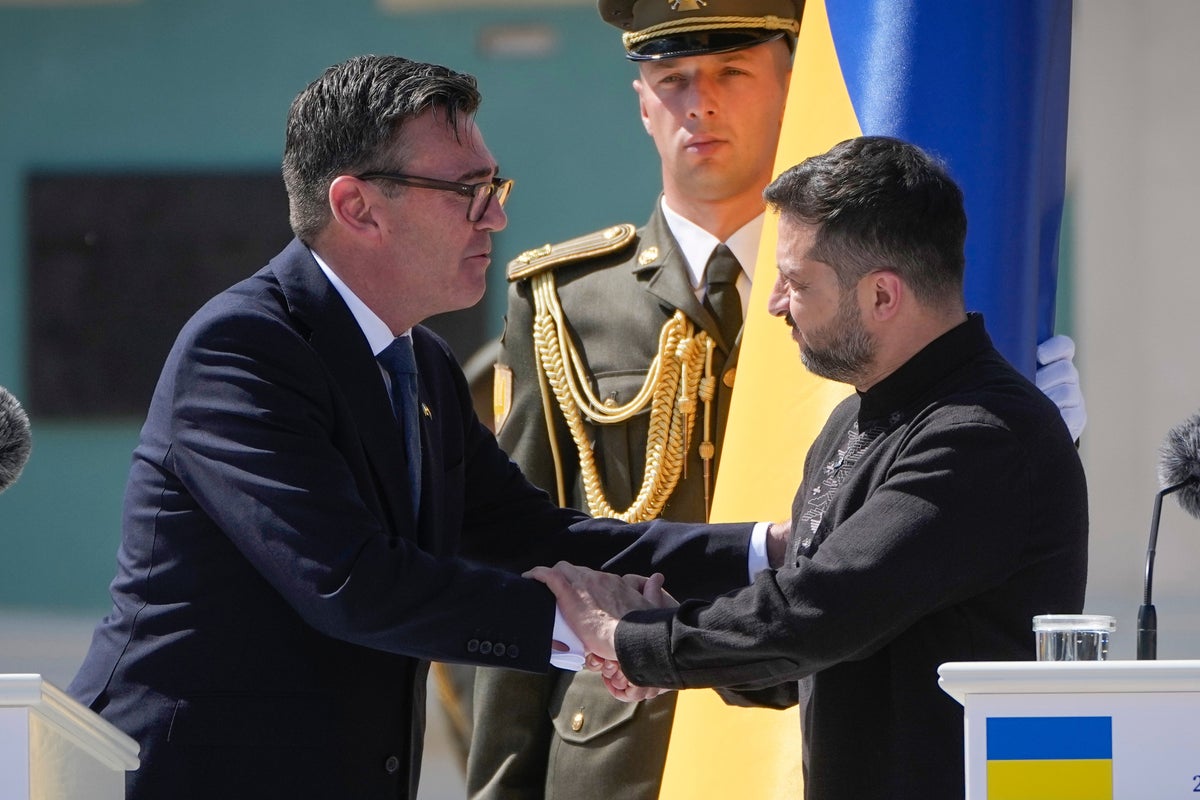
On paper, the US-brokered trilateral framework signed on June 26, 2026, looks like a historic breakthrough. It promises a phased Israeli military withdrawal from southern Lebanon in exchange for the disarming of Hezbollah and the return of Lebanese state authority. We’re even seeing military delegations sit down in Rome to hash out the details of "pilot zones".
But let’s be honest. If you think this framework is going to bring lasting peace, you’re ignoring decades of history and the brutal reality on the ground.
While diplomats sip espresso in Italy, the Israeli military is still launching daily strikes and systematically demolishing villages in southern Lebanon. At the exact same time, Hezbollah has flatly rejected the deal. The structural obstacles to a real peace between Israel and Lebanon aren’t just hurdles; they are massive, deeply entrenched roadblocks. Here is what's actually stopping this deal from working.
The Hezbollah Disarmament Paradox
The entire US-backed peace plan hinges on a single, massive assumption: that the Lebanese Armed Forces (LAF) can march into southern Lebanon, disarm Hezbollah, and take total control.
It sounds great in a Washington press release. In reality, it's a fantasy.
Hezbollah isn’t just a militia you can ask to pack up and leave. It’s a heavily armed, battle-tested force with deep roots in Lebanese society, backed by Iran. They view their weapons as the only real defense against Israeli aggression, and they aren't about to hand them over to a weak central government.
If the Lebanese army actually tries to force Hezbollah to disarm, it risks sparking a catastrophic civil war. The LAF is a multi-confessional national army. Forcing its soldiers—many of whom are Shiite—to fight Hezbollah could tear the military itself apart along sectarian lines. So, Lebanon's government faces an impossible choice:
- Option A: Leave Hezbollah alone and watch the peace deal collapse as Israel refuses to withdraw.
- Option B: Try to disarm Hezbollah and plunge the country back into the dark days of internal sectarian warfare.
Israel’s "Pilot Zones" Stall Tactics
The immediate focus of the Rome talks is establishing two "pilot zones" in the south. The idea is that Israeli forces will pull out of these areas, and the Lebanese army will move in.
But Beirut is deeply worried that Israel is simply dragging its feet.
Israeli Defence Minister Israel Katz recently stated that Israeli troops will remain in southern Lebanon for "as long as necessary". On top of that, Israel is demanding a rigorous third-party monitoring mechanism to verify that the Lebanese army is actually doing its job. While that sounds reasonable, it acts as a perfect excuse to delay any real withdrawal.
Why leave when you can claim the security environment isn't "verified" yet? Meanwhile, Israeli forces continue to demolish neighborhoods and destroy infrastructure in the very areas they are supposed to vacate, making a mockery of the peace talks.
The Death of UNIFIL and the Security Vacuum
For nearly fifty years, the United Nations Interim Force in Lebanon (UNIFIL) acted as a buffer, however flawed, between the two nations. But that buffer is officially gone.
Following the brutal escalation of the Israel-Hezbollah war, the UN Security Council decided to terminate UNIFIL’s mandate, meaning peacekeepers will fully withdraw by the end of 2026. Both sides have spent years complaining about the force—Israel claimed it failed to stop Hezbollah, while Hezbollah accused it of acting as a front for western interests.
But removing UNIFIL without a highly capable, agreed-upon replacement creates a massive security vacuum. Lebanon wants the UN involved in monitoring the new pilot zones, but Israel wants a mechanism with more teeth, distrusting the UN entirely. Without an impartial third party to verify compliance, any minor skirmish on the border will immediately escalate back into full-blown war.
A Peace Built on Zero Accountability
There is also a massive moral and political obstacle that nobody in the diplomatic rooms wants to talk about: justice.
The conflict has taken an unimaginable toll. Since the war reignited, Israeli operations have killed over 4,000 Lebanese and displaced more than a million people—roughly a fifth of the country's population. Entire southern towns have been flattened.
Yet, the trilateral framework essentially forces Beirut to drop any pursuit of international legal accountability for these actions. For millions of Lebanese, a "peace" that shields Israel from accountability while their homes lie in ruins is incredibly bitter and politically toxic. It breeds deep resentment, making it even easier for Hezbollah to frame itself as the only true defender of the Lebanese people.
What Happens Next
If this framework has any chance of surviving, we need to move past the diplomatic theater. Here are the immediate, practical realities that must be addressed:
- Fund and Empower the LAF: The international community must rapidly scale up financial and logistical support for the Lebanese Armed Forces. They cannot police the south with empty pockets and outdated gear.
- Define the Monitoring Force: Israel and Lebanon must quickly agree on who will monitor the pilot zones. If they cannot trust the UN, a coalition of neutral European or regional states must step in immediately before the UNIFIL exit is complete.
- A Clear Withdrawal Timetable: The US must pressure Israel to commit to a firm, unyielding timeline for troop withdrawal. Vague promises of leaving "when secure" will only invite endless occupation and fuel further Hezbollah rocket fire.
Without these concrete steps, the June 2026 framework will join a long list of failed Middle East peace initiatives.