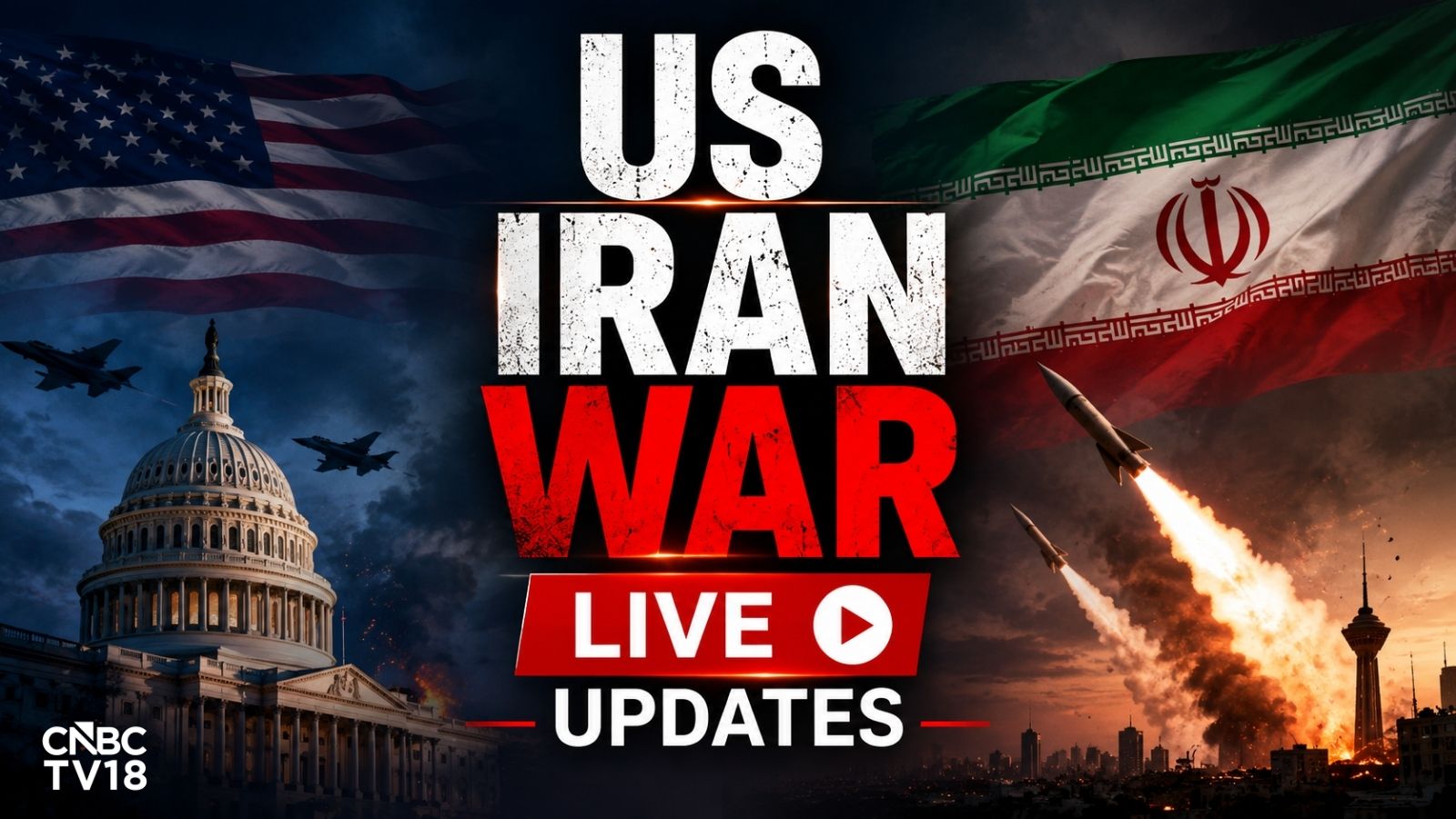
The United States is doubling down on its economic assault against Iran. Treasury Secretary Scott Bessent recently signaled a "one-two punch" strategy: maintaining the existing naval blockade while layering on what he promises will be the "toughest sanctions in history."
If you’ve been following the 2026 war, this news isn't exactly shocking. It’s a continuation of a high-stakes bet that Washington has been making since February. The core premise is simple: squeeze the regime’s revenue until it either collapses or caves to international demands. But look closer at the track record of these tactics, and you’ll find that "maximum pressure" rarely yields the clean, predictable results that officials like to promise on television. Expanding on this theme, you can find more in: Why Trump’s New Economic Strategy Against Iran Faces An Uphill Battle.
The Strategy Behind The Squeeze
Bessent isn't hiding the objective. He’s explicitly stated that the goal is to trigger a regime collapse in Tehran. By combining kinetic naval operations—the blockade that has been active, off and on, since April—with aggressive financial isolation, the administration hopes to bypass the need for a total ground invasion.
It’s an attempt to turn the economy into a weapon. The Treasury Department is clearly moving toward a model where they target not just Iranian entities, but anyone providing a "lifeline" to them. President Trump’s recent warnings about economic consequences for countries aiding Iran are meant to freeze those networks. Experts at NPR have also weighed in on this matter.
Here’s the catch: Iran has been under some form of sanctions for nearly 50 years. They’ve spent decades building a shadow economy designed specifically to bypass Western banking systems and shipping restrictions. If you think a new list of Treasury restrictions will suddenly stop that machine, you’re ignoring the history of the last half-century.
Why China Is The Key Variable
You can’t talk about these sanctions without talking about Beijing. China is the primary buyer of Iranian oil, taking in over 80% of their seaborne exports. Bessent’s recent public push for China to "get with the program" is a way of signaling that the US is ready to expand its focus to include secondary sanctions against Chinese firms.
But this is where things get messy. China isn't a small, isolated actor. They are a massive economic partner, and they have significant leverage of their own. If the US pushes too hard, they risk a retaliatory blowback that could hurt the American domestic market, especially given the current sensitivity of global supply chains for rare-earth minerals and tech components.
Bessent’s confidence that China will eventually fall in line because of their own energy needs in the Gulf ignores the strategic alliance Beijing has spent years cultivating with Tehran. It’s a gamble on whether Washington can isolate Iran enough to make the cost of doing business with them higher than the cost of angering the US.
The Oil Market Disconnect
One of the most confusing parts of the latest announcement is the reaction in the oil markets. Prices jumped to three-week highs following the threats. Bessent dismissed this movement, claiming that investors are misinterpreting his strategy. His argument? Maximum economic pressure actually reduces the odds of a "kinetic restart"—meaning, if the economy collapses, there's less room for a hot war.
That’s a sophisticated argument, but markets don't always trade on logic. They trade on uncertainty. Traders are betting that the tighter the blockade gets, the higher the risk of a real-world disruption in the Strait of Hormuz. When the US Treasury talks about the "toughest sanctions ever," the market hears "supply chain shutdown."
What Comes Next
We are entering a phase where the rhetoric is reaching its ceiling. The administration is promising a press conference on Monday to lay out the specifics, but the underlying reality remains unchanged.
If you're watching this situation, stop waiting for a singular "collapse." Watch these three indicators instead:
- Secondary Compliance: Are global banks actually pulling away from Chinese entities that trade with Iran, or is the US Treasury having to grant waivers to avoid global market instability?
- The Strait of Hormuz: If the blockade tightens, watch for Iran’s response in the water. That is the true pressure valve.
- Internal Revenue Shifts: Watch the Iranian currency and their ability to keep domestic fuel prices stable. If those numbers hold despite the new "tough" measures, the policy is effectively stalling.
The administration’s plan is a high-wire act. They want to avoid a major, long-term military conflict while simultaneously trying to dismantle a sovereign economy. It’s an approach that assumes total control over international commerce—a power that, in 2026, is becoming harder and harder to wield effectively.
If these sanctions don't deliver a quick, visible shift in Tehran’s behavior, the administration will be left with a dwindling set of options. Expect more economic noise, but don't hold your breath for a quick resolution. Real-world power is messier than the boardroom.