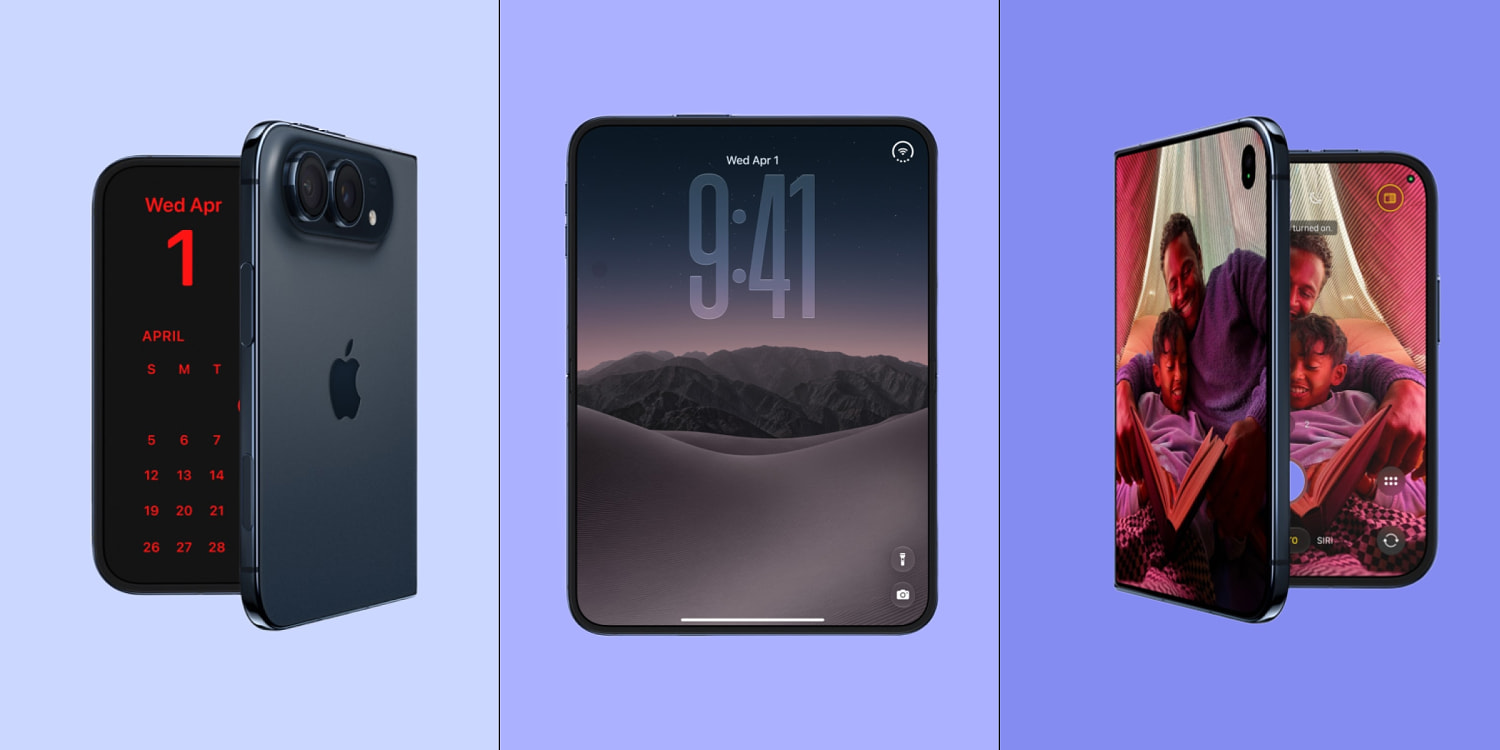
Apple finally broke down and built a folding phone. It costs two thousand dollars. If you are wondering whether you should max out your credit card to grab the new iPhone Duo, let me save you some time. You shouldn't.
For years, people mocked Apple for being late to the folding party while Samsung and Google iterated through half a dozen generations of book-style foldables. Now that the Duo is actually here, the tech community is split into two loud camps: enthusiasts who think it is a technological masterpiece, and skeptics pointing out every single compromise jammed into a $1,999 device.
Let's look at what you actually get, what Apple messed up, and why waiting for the second-generation model is the smartest tech move you can make this year.
The Hardware Specs Behind the Two Thousand Dollar Price Tag
Apple built the iPhone Duo to open like a book, revealing a roughly 7.8-inch interior display alongside a smaller exterior screen that matches the footprint of a passport when closed. Under the hood, it runs on Apple's second-generation cellular chip, the in-house C2 modem, which promises faster speeds and lower power consumption.
Battery life is handled by two separate cells. Apple claims you get up to 44 hours of use on the outer display alone, dropping to about 24 hours when you actually open the thing up and use both screens. That sounds impressive on paper. But real-world usage of folding screens always eats battery faster than standard slabs because people tend to crank up brightness and multitask heavily on the larger canvas.
You also get a dual rear camera system that lets you use the cameras on both sides of the fold simultaneously—handy if you want to show someone else what you are looking at during a FaceTime call.
Colors are basic. You get white or dark blue. Storage starts at 256GB for that heavy $1,999 price tag. Pre-orders kick off on October 16, with retail stores getting units on October 23.
Why First-Generation Apple Hardware Is Always a Trap
If you have followed Apple for more than five years, you already know the golden rule. Never buy the first generation of an entirely new form factor.
Think back to the original Apple Watch, the very first iPad, or even the original iPhone back in 2007. They all shared a few common traits: exorbitant pricing, missing features, awkward ergonomics, and a swift obsolescence cycle once the second iteration dropped twelve months later with the fixes everyone actually wanted.
The iPhone Duo is no exception. Early adopters are paying top dollar to beta-test a hinge mechanism and a folding OLED panel for a trillion-dollar corporation.
The Missing Features That Hurt at This Price
When you drop two grand on a phone, expectations are impossibly high. Yet the Duo comes with glaring omissions that make zero sense at this tier.
Reports and spec breakdowns highlight several frustrating compromises. You aren't getting the cutting-edge biometric suites or camera capabilities found on the standard iPhone 18 Pro lineup. The device is noticeably thicker than a normal phone when folded, and yes, that crease down the middle of the interior screen is still very much a reality of current folding tech.
Furthermore, software support for folding iOS layouts is entirely unproven. Apple developers have spent over a decade designing apps for single rectangular slabs. Transitioning those apps seamlessly to a dynamic, expanding canvas will take time. Expect plenty of weird scaling bugs, awkward UI padding, and third-party apps that simply don't know what to do with a folding screen during the first few months.
What You Should Do Instead
If your current phone works fine, skip the hype cycle. Let the early adopters deal with the software quirks, the high repair costs, and the heavy weight in their pockets.
If you desperately want a new phone this fall and have cash to burn, look at the iPhone 18 Pro or Pro Max instead. They offer mature, refined technology, superior cameras, and standard form factors that won't feel like an expensive science experiment.
Save your money. Let Apple iron out the kinks on version one. Version two is where the magic usually happens.