External Affairs Minister S Jaishankar didn't fly to New York just to shake hands. Meeting US Secretary of State Marco Rubio on the sidelines of the United Nations General Assembly, Jaishankar brought up a heavyweight issue: the Sanctioning Russia and Iran Act, known as SRIA.
If you think this is just standard diplomatic posturing, think again. This bill carries teeth that could bite Indian trade hard. Discover more on a similar topic: this related article.
Let's break down what's actually happening. President Trump has endorsed the legislation pushed by Senator Lindsey Graham. It opens the door for sweeping tariffs of up to 100 percent on major buyers of Russian energy. India and China sit right at the top of that buyer list.
The Real Stakes Behind the Sanctions Bill
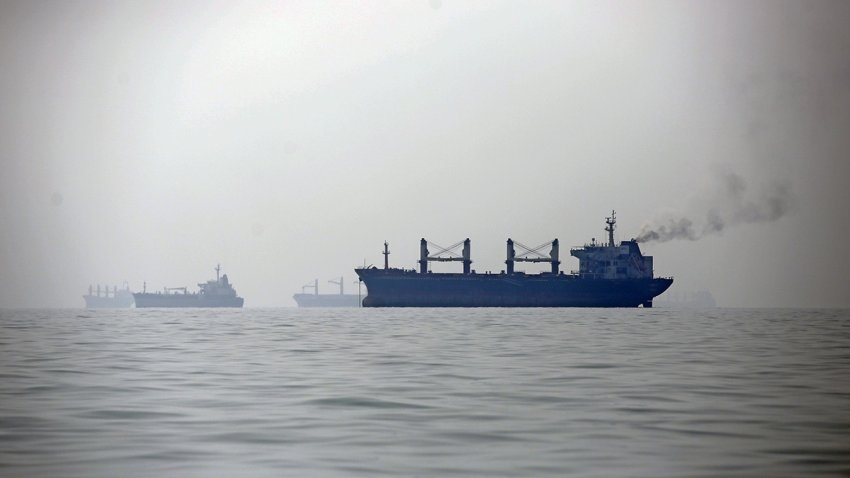
Washington wants to squeeze Moscow oil revenues until they dry up. They are targeting the petroleum sector, banking networks, and the infamous "shadow fleet" of tankers moving Russian crude across oceans. More journalism by The New York Times explores similar views on this issue.
India's position is clear and unapologetic. You have to feed an energy market powering 1.4 billion people. Buying discounted Russian oil wasn't just a clever economic maneuver; it was a matter of basic national survival when global supplies went haywire.
The legislation doesn't automatically slap a 100 percent tariff on Indian goods tomorrow. Instead, it grants the executive branch the statutory authority to do so if New Delhi keeps buying Russian hydrocarbons. That distinction matters. It gives Washington a massive stick to swing during trade negotiations.
Beyond Oil: The Ukraine and Gulf Equation
It wasn't just about energy imports. Jaishankar and Rubio also dug into the persistent pressure points in Ukraine and the Gulf.
The Ukraine conflict keeps dragging down global supply chains, inflating food and fertilizer costs for developing nations. Meanwhile, tensions across the Gulf region threaten shipping lanes and oil transit routes that are vital to India's economic arteries.
When Jaishankar sits down with American leadership, he operates from a stance of strategic autonomy. New Delhi refuses to pick a single camp. You trade with the West, you keep energy ties with Moscow, and you manage complex neighborhood dynamics all at once. It is a tightrope walk that leaves zero room for error.
What Happens Next
The Ministry of External Affairs says they are monitoring developments closely. Translation: India is preparing for a long diplomatic grind.
Trade talks between Washington and New Delhi are still crawling forward, with more discussions slated for the G20 Trade Ministers meeting in Wisconsin. Don't expect dramatic breakthroughs overnight. Both sides need each other too much to blow up the relationship, but neither is willing to blink first on core economic interests.
Watch the execution phase of the SRIA bill closely. How aggressively the US administration chooses to wield this statutory authority will dictate whether energy trade becomes a permanent flashpoint or just another hurdle in a messy partnership.